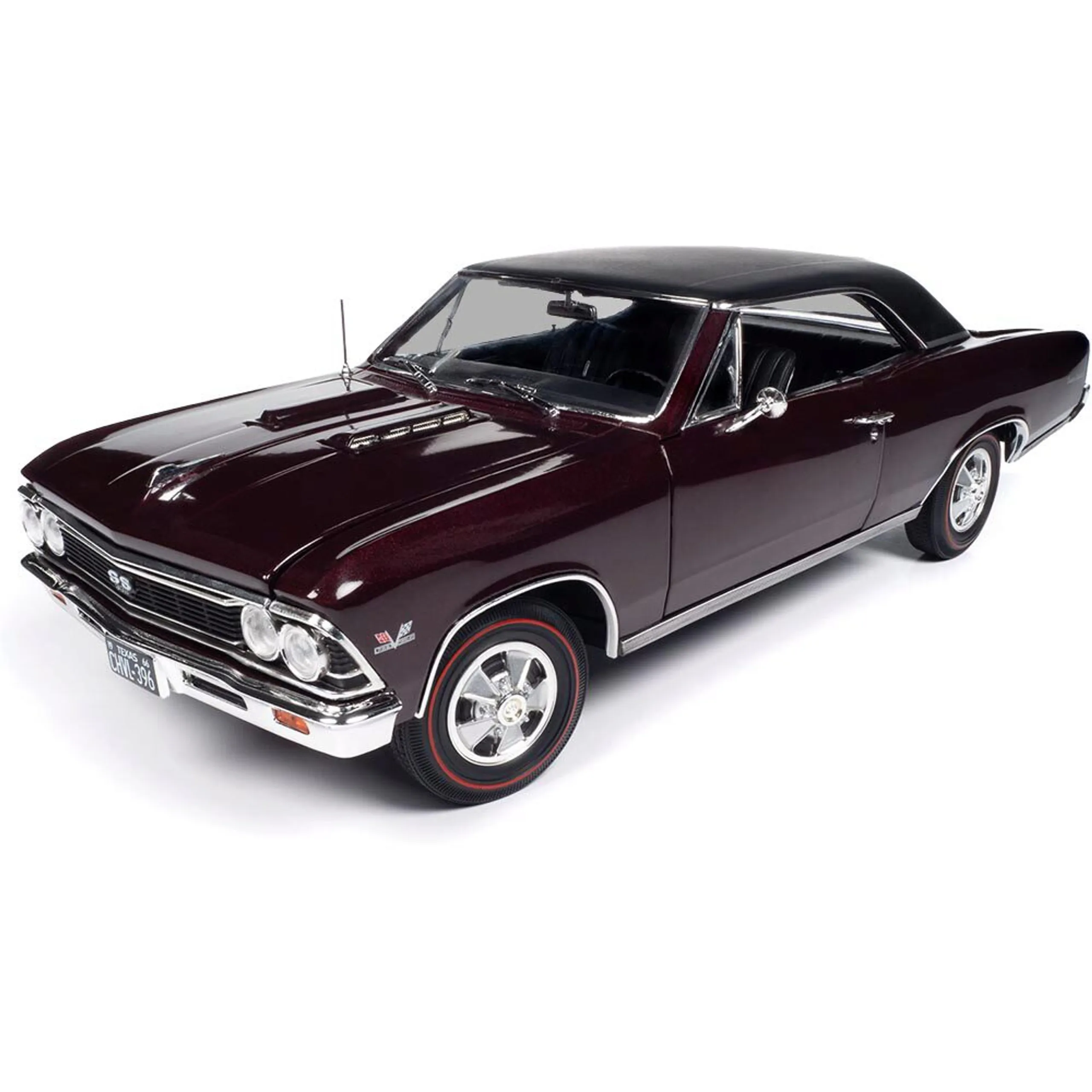
Selling your diecast car collection can be a rewarding experience, turning your passion for miniature vehicles into profit. To maximize your earnings and ensure a smooth transaction, it is essential to approach the process strategically. This guide provides seven essential tips to help you sell diecast cars effectively, ensuring you get the best possible return on your investment while connecting with fellow enthusiasts and collectors. From evaluating your collection to providing excellent customer service, each step is designed to optimize your selling strategy and guide you through the process. Get ready to transform your diecast car collection into a source of income.
Evaluate Your Diecast Car Collection
Before you begin selling, thoroughly evaluate your collection. This initial assessment is crucial for understanding the value of your inventory. The goal is to identify what you have, its condition, and its potential market appeal. This preliminary step sets the foundation for the entire selling process, influencing pricing strategies, marketing efforts, and the overall success of your sales. Accurate evaluations can prevent you from undervaluing your cars and will attract serious buyers.
Assess Condition & Rarity
The condition of your diecast cars significantly impacts their value. Assess each car for any damage, such as scratches, dents, or missing parts. Cars in mint condition, with their original packaging (MIB or Mint in Box), command the highest prices. Rarity plays a pivotal role, as limited edition or out-of-production models are generally more valuable than common ones. Consider the scale, manufacturer, and model year to gauge rarity. A well-preserved car with unique features is highly sought after. Take detailed notes on each model’s condition and rarity to assist in setting fair prices and attracting the right buyers. Using images to highlight the cars condition is key.
Research Market Values

Conduct thorough market research to determine the current value of your diecast cars. Utilize online marketplaces like eBay, specialized diecast forums, and completed listings to see what similar models have sold for in the past. Check recent sales data to understand current market trends. Consider the condition, rarity, and any special features that could affect the price. Comparing your cars to similar ones sold recently can give you a realistic price range. By researching the market, you will set competitive prices and attract potential buyers, ensuring your collection’s maximum value.
Identify High-Demand Models
Identify the models and manufacturers that are currently in high demand. Some brands and models are consistently popular among collectors, which influences their market value. Research collector communities, online forums, and auction results to discover trends and preferences. Cars from popular franchises or those with a strong fan base often generate higher prices. Understanding which models are in demand allows you to prioritize those for sale and market them more effectively. Focusing on popular models can help to sell your collection quickly and efficiently.
Clean and Prepare Your Cars
Preparing your diecast cars enhances their appeal and can significantly increase their perceived value to potential buyers. Cleaning and minor restoration are key aspects of this process, ensuring that each model looks its best. A well-prepared car is more likely to attract serious collectors and command a higher price. Presentation plays a key role in a successful sale and can set you apart from competitors.
Dusting and Surface Cleaning

Begin by carefully dusting each car to remove any loose debris or dirt. Use a soft brush or microfiber cloth to clean surfaces gently and avoid scratching the paint. For stubborn marks, consider using a mild soap solution or specialized diecast car cleaners. Always test the cleaning solution on a small, inconspicuous area first to ensure it doesn’t damage the paint. Pay special attention to crevices and detailed areas where dust can accumulate. A clean car looks more attractive, making a positive first impression on potential buyers. Proper cleaning is a small step that makes a large difference.
Minor Repairs and Restoration
Address any minor cosmetic issues, such as loose parts or small paint chips. Use appropriate adhesives or touch-up paints to restore the car’s appearance. Avoid aggressive cleaning or sanding that could damage the original finish. If a car is missing small parts, research replacement options to restore its completeness. Minor repairs can make a noticeable difference in a car’s perceived value. The goal is to present your cars in the best possible condition and increase their appeal to serious collectors. For most cases, a simple restoration is enough to attract higher offers.
Professional Restoration Considerations
Consider professional restoration if the diecast car has significant damage. Professional restorers possess the expertise and tools needed to restore vintage or valuable models to their original condition. While this can be a costly investment, it often increases the car’s value. Assess the car’s value and the cost of restoration to determine if it’s a worthwhile endeavor. Request quotes from several restoration specialists, and review their previous work before committing. A professionally restored car can significantly increase appeal and fetch a higher price, especially for rare or highly sought-after models.
Photograph Your Diecast Cars for Sale

High-quality photographs are essential for attracting buyers to your diecast cars. The photos are the first impression that potential buyers have of your collection. Clear, well-lit photos highlight the car’s details, condition, and any unique features. This is a crucial step in the selling process, as it can significantly impact the car’s appeal and its final selling price. Investing time in taking great pictures will pay dividends.
High-Quality Photography Techniques
Use a good-quality camera or smartphone to take clear, focused photographs of your diecast cars. Take photos in natural or diffused light to avoid harsh shadows and reflections. Photograph each car from multiple angles, including close-ups of details like the interior, wheels, and any unique features. Use a tripod to keep the camera steady and prevent blurry images. Ensure the photos are well-lit and in focus, so potential buyers can see the car’s condition clearly. High-quality images will boost buyer confidence and can significantly improve your chances of a successful sale.
Showcasing Details and Features
Showcase your cars’ details and features in your photographs. Capture close-up shots of the car’s interior, engine, wheels, and any unique markings or accessories. Highlight any special features, like opening doors, hoods, or detailed interiors. Take photos that highlight any imperfections, to be transparent about the condition of the car. By highlighting these details, you provide potential buyers with a comprehensive view of the cars, increasing their appeal and build buyer trust.
Optimal Lighting and Backgrounds

Choose an appropriate background to make your diecast cars look appealing. Use a plain, neutral background, such as white or light-colored paper or cloth. This will prevent distractions and keep the focus on the cars. Use soft, diffused lighting to avoid harsh shadows. Natural light is usually best, so take your photos near a window on a cloudy day or in the shade. If using artificial light, make sure it is diffused and even. Well-lit photos against a clean background will help your cars stand out. A clean background ensures that the focus remains on the car, showcasing its details and condition.
Choose the Right Selling Platform
Choosing the right selling platform is a vital step in maximizing your reach and profit when selling diecast cars. The platform you choose will affect your visibility, your fees, and the types of buyers you attract. Different platforms offer distinct benefits, so your decision should align with your collection’s value, and your selling goals. From online marketplaces to local options, the optimal platform is one that meets your specific needs and maximizes your selling potential.
Online Marketplaces
Online marketplaces, like eBay, are excellent for reaching a broad audience. These platforms provide a ready-made market of potential buyers. You can set your prices through auctions or fixed-price listings, and there are tools to help manage your sales. However, these platforms typically charge fees for listings and final sales. Carefully consider these costs when pricing your cars. Ensure that your descriptions are detailed and that you use high-quality photos to attract buyers. These platforms are excellent for exposing your cars to a large audience and for ease of transaction, but careful pricing and excellent presentation are essential.
Specialty Diecast Forums and Groups

Specialty diecast forums and collector groups provide a targeted audience of serious enthusiasts. These communities are often active online forums or social media groups where collectors share their passion and knowledge. Selling directly to these collectors can often result in better prices and a more personal experience. It’s worth taking the time to establish your presence in these communities. Before selling, be sure to follow any posting guidelines and be transparent about your cars’ conditions. Building relationships with other collectors can lead to repeat sales and a strong reputation.
Local Auctions and Collectibles Shops
Consider local auctions and collectibles shops for selling your diecast cars. These venues offer a more personal approach, allowing potential buyers to inspect the cars in person. Auctions can generate competitive bidding, potentially driving up prices, especially for rare or valuable models. Collectibles shops may offer immediate cash or consignment options. Research local auctions and shops to understand their fees and processes. Preparing your cars for inspection is crucial; this includes cleaning, detailing, and providing any relevant information or documentation. While these options can simplify the selling process, it’s essential to assess the fees and potential prices to determine if they are the best fit for your collection.
Set Competitive Pricing Strategies
Setting competitive prices is essential to attract buyers and maximize your profits when selling diecast cars. This requires careful research and consideration of several factors that influence the value of each car. You must analyze market data, consider the condition of your cars, and account for fees and shipping costs. Correct pricing can boost sales. Accurate pricing will help you sell your collection quickly and efficiently.
Research Comparable Sales

Conduct thorough research into comparable sales to understand the current market value of your diecast cars. Use online marketplaces like eBay to review completed listings. This provides valuable insights into what similar models have sold for recently. Also, consider the platform and search the sold prices on other specialty platforms, like collector forums. Comparing your cars to recently sold items will give you a realistic price range. This research allows you to set competitive prices and attract serious buyers, while also ensuring you don’t undervalue your collection.
Consider Rarity and Condition
Carefully consider the rarity and condition of each diecast car when setting your prices. Rare or limited-edition models command a higher price than more common ones. Cars in mint condition, with their original packaging, are more valuable than those with damage. Assess each car’s condition, noting any defects or imperfections. Adjust your prices to reflect the car’s condition, with mint-condition cars commanding higher prices. Factor in rarity, as limited production models and special editions often fetch higher prices among collectors. By accurately assessing these factors, you can set prices that fairly reflect the car’s true market value and attract serious buyers.
Factor in Platform Fees and Shipping Costs
When setting prices, carefully factor in any platform fees and shipping costs. Online marketplaces typically charge fees for listings and final sales, so it’s essential to incorporate these costs into your prices. Calculate the estimated shipping costs, including packaging materials, postage, and insurance. Determine whether you will offer free shipping, or if you will pass those costs to the buyer. Ensure your prices reflect the actual cost of selling and shipping each car. This will protect your profit margins and avoid any surprises. By properly factoring in these costs, you maintain profitability and provide a transparent experience for your buyers.
Write Compelling Descriptions
Writing compelling descriptions is a crucial step to attract buyers and increase the likelihood of a sale. Descriptions should be clear, detailed, and highlight the key features and benefits of each car. Clear and accurate descriptions will build trust with potential buyers and convey the value of your collection. Investing time in composing good descriptions can significantly influence the success of your sales.
Highlight Key Features and Details
Highlight key features and details in your descriptions to attract potential buyers. Describe the model, manufacturer, scale, and any unique features. Detail the car’s condition, noting any imperfections or damage. Include details about the car’s history, if available, such as the date of production or any special edition features. Be sure to mention any original packaging or documentation that is included. Providing as much detail as possible helps buyers understand the car. A comprehensive description will increase buyer confidence and boost your chances of a sale.
Use Keywords Strategically
Use relevant keywords strategically in your descriptions to improve visibility in online searches. Include keywords such as the model name, manufacturer, scale, and any special features. Research the terms that collectors commonly use when searching for diecast cars, and incorporate those terms into your descriptions. This will help your listings appear in the searches of potential buyers. By using the right keywords, you increase the likelihood that your listings will be seen by interested collectors and increase the chances of a sale.
Be Honest and Transparent
Honesty and transparency are essential when writing descriptions. Be honest about the condition of your cars, and disclose any damage or imperfections. Provide accurate information about the car’s history. Disclose all relevant details and features. Being honest will build trust with potential buyers, increasing your credibility and leading to positive reviews. It reduces the risk of returns or negative feedback. This approach builds trust and strengthens your reputation, which can lead to more sales and repeat customers.
Package and Ship Your Cars Safely
Proper packaging and safe shipping are essential to ensure that your diecast cars reach their buyers in good condition. Poor packaging can lead to damage during transit, resulting in returns, refunds, and negative feedback. Taking care to protect your cars during shipment ensures a positive experience for your buyers. Proper packaging will protect your cars and provide buyers with peace of mind.
Choosing Appropriate Packing Materials
Use appropriate packing materials to protect your diecast cars during shipping. Wrap each car in bubble wrap or foam padding to protect against impacts. Place the wrapped car in a sturdy cardboard box, and fill any empty spaces with packing peanuts, packing paper, or other cushioning materials. Consider using a double-walled box for extra protection, especially for valuable or fragile models. Properly securing your cars prevents movement during shipping. Take steps to select the right packing materials. A well-protected car will reach its destination safely and preserve its condition.
Shipping Insurance and Tracking
Always use shipping insurance and tracking for your diecast cars. Insurance protects you against loss or damage during transit, providing peace of mind and financial protection. Tracking allows you and the buyer to monitor the shipment’s progress. It can help prevent the loss of a package. Choose a reliable shipping carrier. Include insurance coverage and tracking in your shipping options. By using these tools, you provide buyers with peace of mind and increase the professionalism of your sales. This provides a good experience for buyers.
Provide Excellent Customer Service
Providing excellent customer service is a crucial aspect of successfully selling diecast cars. Prompt communication, a willingness to assist buyers, and a commitment to resolving any issues are vital components of building a positive reputation and increasing sales. Your customer service directly impacts the buyer’s overall experience and whether they’ll return. Focusing on customer service can turn one-time buyers into repeat customers. Excellent customer service will make you stand out.
By following these seven tips, you can maximize your profits, and ensure a positive experience for both you and the buyers. Selling diecast cars can be an enjoyable and profitable venture. Taking the time to evaluate, prepare, photograph, and market your collection will set you on the path of success. Enjoy the journey and the pleasure of connecting with fellow enthusiasts!