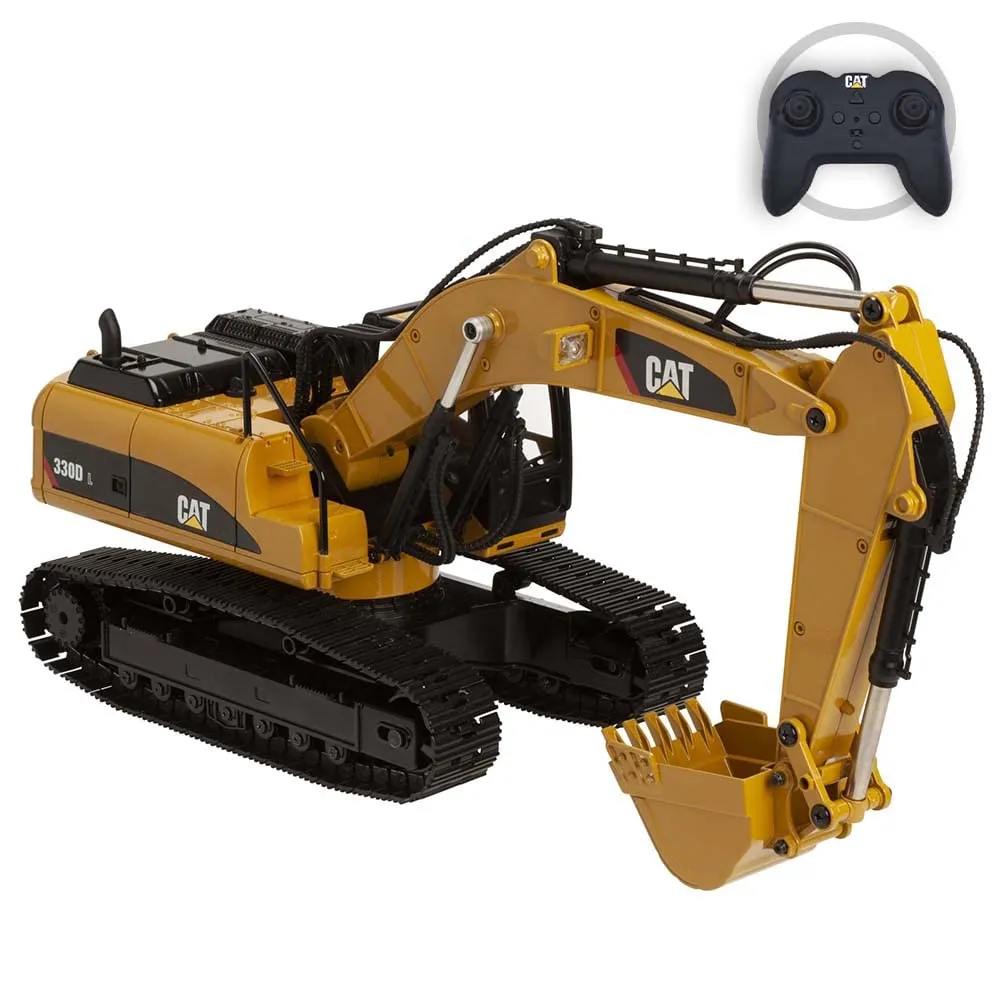
Essential RC Truck Features
RC trucks offer a thrilling experience for hobbyists of all ages. But before you dive in, understanding the key features is essential. From the radio control system to the motor, battery, and suspension, each component plays a vital role in performance and enjoyment. This guide explores the top 7 features you need to know to choose the perfect RC truck and maximize your fun. Whether you are a beginner or a seasoned enthusiast, this article is designed to provide you with the knowledge to make informed decisions and enhance your RC truck experience. Learning about the different parts and their functions will help you better understand how to select the right truck for your needs and how to maintain it for long-lasting enjoyment. Get ready to discover the exciting world of RC trucks and the features that make them so captivating.
Radio Control System
The radio control (RC) system is the heart of your RC truck. It enables you to control the truck’s movements, including steering and throttle. The system typically consists of a transmitter (the controller you hold) and a receiver (inside the truck). The quality and features of the RC system greatly impact the responsiveness and range of your truck. A good RC system provides precise control and minimal lag, offering a more enjoyable driving experience.
Frequency and Channels

RC trucks operate on specific radio frequencies. Modern systems often use 2.4 GHz frequency, which allows multiple trucks to run simultaneously without interference. Older systems might use different frequencies. Channels refer to the number of control functions available. More channels mean more control options, such as lights or additional accessories.
Range and Interference
The range of your RC system determines how far away you can operate your truck. A longer range allows you to drive the truck further away. Interference can disrupt the signal between the transmitter and receiver, causing the truck to lose control. Factors like obstacles and other radio signals can affect range and cause interference. Always choose a clear area for driving your RC truck to ensure the best possible experience and performance.
Motor and Speed
The motor is the powerhouse of your RC truck, providing the torque and speed needed for exciting performance. Different motor types offer varying levels of power and efficiency. The motor’s characteristics significantly influence the truck’s acceleration, top speed, and overall driving experience. Choosing the right motor type depends on the type of driving you plan to do, such as racing, crawling, or simply recreational driving.
Motor Types

Common motor types include brushed and brushless motors. Brushed motors are simpler and more affordable, making them suitable for beginners. Brushless motors offer higher efficiency, more power, and longer run times, ideal for advanced users seeking maximum performance. Brushless motors often require a compatible electronic speed control (ESC) to operate effectively.
Speed Control
The electronic speed control (ESC) regulates the power delivered to the motor, controlling the truck’s speed and direction. The ESC receives signals from the receiver and adjusts the motor’s output accordingly. ESCs have various features, such as forward and reverse capabilities, braking, and different driving modes. They also help to protect the motor from damage by controlling the current flow.
Battery and Run Time
The battery powers your RC truck, and its capacity directly impacts the run time. Choosing the right battery type and understanding how to optimize its use is crucial for extended enjoyment. Longer run times mean more driving time before needing to recharge or replace the battery. The type of battery and its capacity also impact the truck’s overall performance and weight distribution.
Battery Types

Common battery types include Nickel-Metal Hydride (NiMH) and Lithium Polymer (LiPo) batteries. NiMH batteries are generally more affordable and safer to handle, but they offer shorter run times and less power than LiPo batteries. LiPo batteries provide higher power output and longer run times but require more careful handling and charging procedures. Always follow the manufacturer’s instructions for charging and discharging your batteries to ensure safety and longevity.
Run Time Optimization
To optimize your run time, consider factors like driving style, terrain, and battery capacity. Driving at a moderate speed and avoiding aggressive acceleration and braking can conserve battery power. Choose batteries with higher mAh (milliampere-hour) ratings for longer run times. Additionally, proper maintenance and storage of your batteries can help extend their lifespan and performance. Be mindful of the temperature and avoid extreme conditions while driving.
Suspension and Durability
A good suspension system is essential for absorbing bumps and impacts, providing a smooth and controlled driving experience. Durability is also crucial, as RC trucks are often subjected to rough terrain and potential crashes. A robust design protects internal components and extends the truck’s lifespan.
Suspension Systems

RC trucks use various suspension systems, including coil-over shocks, leaf springs, and independent suspensions. Coil-over shocks are common and provide good damping and handling. Leaf springs are often found in trucks designed for heavier loads or rougher terrain. The suspension system’s quality affects the truck’s ability to handle bumps, jumps, and uneven surfaces.
Material and Build Quality
The materials used in construction, such as plastic, metal, and composite materials, influence the truck’s durability and weight. High-quality materials and construction ensure the truck can withstand the rigors of off-road driving and potential impacts. Look for trucks with reinforced chassis, durable suspension components, and protective features to enhance their longevity.
Tires and Traction
Tires play a critical role in traction and handling, allowing your RC truck to navigate various surfaces. Different tire types are designed for specific terrains, such as on-road, off-road, or crawling. The tire’s tread pattern, compound, and size significantly impact the truck’s performance and grip.
Tire Types

Common tire types include on-road tires for smooth surfaces, off-road tires with aggressive treads for grip on loose surfaces, and crawler tires designed for maximum traction on rocks and obstacles. Choosing the right tire type for the terrain you’ll be driving on is crucial for optimal performance. Consider factors like tire size, tread pattern, and compound to match your driving style and environment.
Surface Considerations
The surface you’re driving on greatly affects the performance of your RC truck. On-road tires work best on smooth surfaces like asphalt or concrete, while off-road tires excel on grass, dirt, and gravel. Crawler tires are specifically designed for navigating challenging terrain, like rocks and steep inclines. Consider the type of driving you’ll be doing when selecting your RC truck and its tires.
Scale and Size
RC trucks come in various scales, which refer to the size relative to the real-life counterpart. The scale affects the truck’s handling, performance, and the type of terrain it’s best suited for. Choosing the right scale depends on your preferences, available space, and the driving environment. Different scales offer different driving experiences, so consider the size and what is important to you.
Popular RC Truck Scales

Common RC truck scales include 1/10, 1/12, 1/16, and 1/18. Larger scales, like 1/10, offer better handling and stability, making them suitable for off-road driving. Smaller scales are more compact and easier to transport and store. The scale affects the truck’s overall dimensions, weight, and the availability of aftermarket parts.
Size and Performance Trade-offs
Larger-scale trucks generally provide more stability and better handling due to their size and weight. Smaller-scale trucks are more agile and can navigate tighter spaces. Consider the driving environment and desired performance when selecting a scale. Larger trucks might be better suited for outdoor driving, while smaller trucks are more convenient for indoor use or smaller spaces.
Upgrades and Customization
One of the most exciting aspects of the RC hobby is the ability to upgrade and customize your truck. You can enhance performance, improve durability, and personalize the appearance. Upgrades range from simple modifications to complex enhancements, offering endless possibilities for tailoring your truck to your specific needs and preferences.
Common Upgrades
Common upgrades include improved motors, batteries, suspension components, and tires. Upgrading the motor can increase speed and torque, while a better battery extends run time. Upgrading the suspension improves handling and durability. Tires can enhance traction on different surfaces. Other upgrades include lighting kits, body modifications, and performance enhancements.
Customization Options
Customization options allow you to personalize your RC truck’s appearance. This includes painting the body, adding decals, and installing custom accessories. You can also modify the chassis, add lights, and integrate other features to create a unique driving experience. The possibilities for customization are vast, limited only by your imagination and budget.
Maintenance and Care
Proper maintenance and care are essential for keeping your RC truck in top condition and extending its lifespan. Regular maintenance ensures optimal performance, prevents breakdowns, and prolongs the life of your investment. Regular cleaning, lubrication, and inspections are crucial for maintaining your RC truck.
Cleaning and Lubrication
Regularly clean your RC truck to remove dirt, debris, and moisture. Use a soft brush, compressed air, or appropriate cleaning solutions. Lubricate moving parts, such as bearings and gears, with the correct lubricants to reduce friction and wear. Cleaning and lubrication help prevent corrosion, reduce wear and tear, and ensure smooth operation. Inspect your truck after each run and before storage.
Storage and Protection
Proper storage and protection are crucial for preventing damage and preserving your RC truck’s condition. Store your truck in a cool, dry place away from direct sunlight and extreme temperatures. Remove the battery when storing the truck to prevent discharge. Consider using a storage case or cover to protect the truck from dust and physical damage. Regular maintenance and proper storage will keep your RC truck ready for the next adventure.