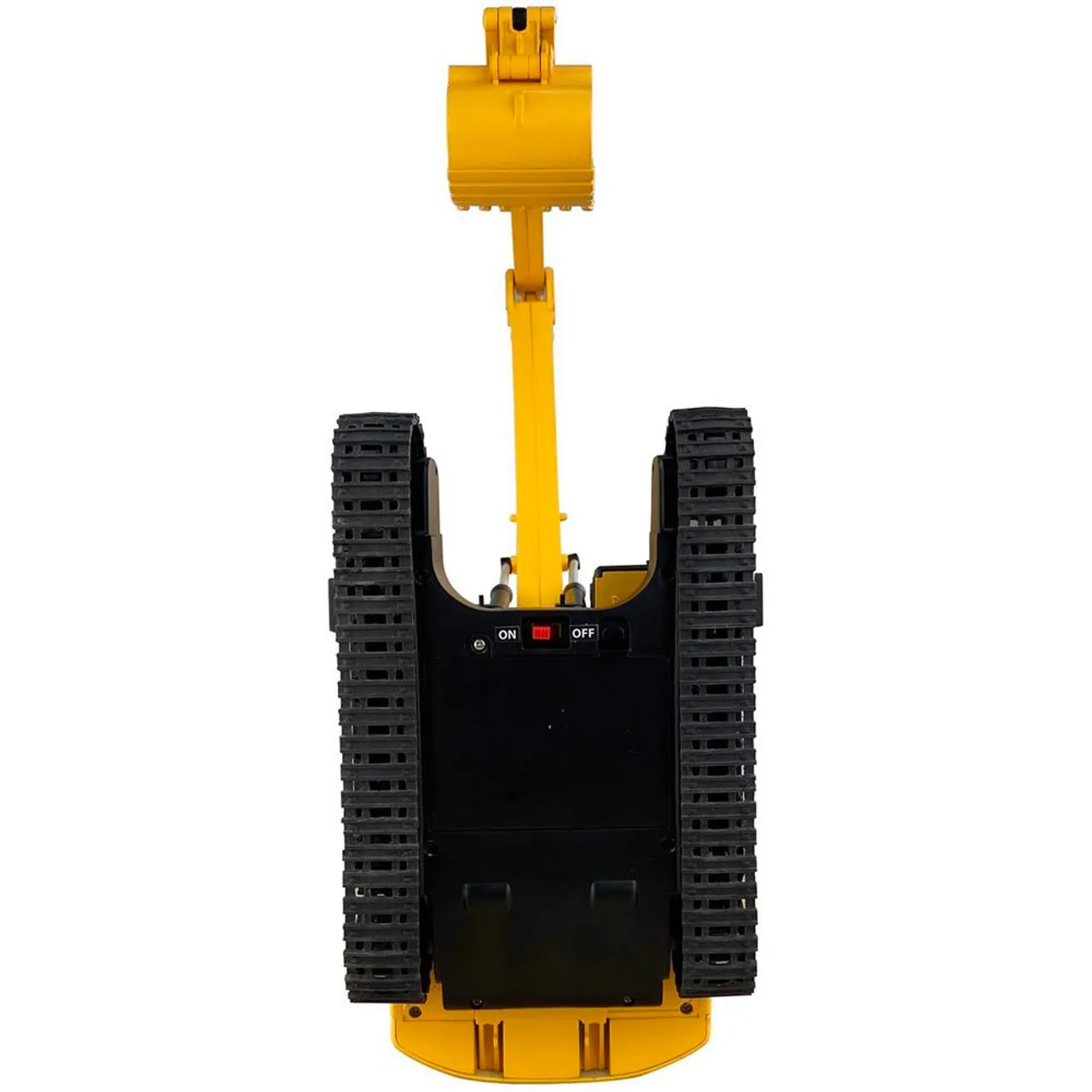
What is an RC Excavator?
An RC excavator, short for remote-controlled excavator, is a miniature replica of a real-life construction vehicle, specifically an excavator. These models are designed to be controlled remotely, allowing users to operate the arm, bucket, and other functions from a distance. They come in various scales and are popular among hobbyists of all ages who enjoy the realism and hands-on experience they offer. RC excavators are not just toys; they are sophisticated models that provide an engaging and educational experience, simulating the operation of heavy machinery. These models can be made from a variety of materials, including diecast metal and durable plastics, contributing to their authenticity and longevity. The appeal of an RC excavator lies in its ability to mimic the movements and functions of its full-sized counterpart, providing hours of entertainment and a fascinating insight into engineering and construction.
The Basic Components of an RC Excavator
Understanding the basic components of an RC excavator is key to appreciating its functionality and potential for customization. The core components include the chassis, the boom and arm, the bucket, the hydraulic or mechanical systems, the motor and gears, and the remote control. The chassis provides the structural foundation, supporting all other components. The boom and arm, along with the bucket, are responsible for the digging and lifting functions. Hydraulic systems, often found in higher-end models, use fluid pressure for powerful and smooth movements, while mechanical systems use servos and linkages. Motors and gears provide the necessary power for movement, and the remote control allows for intuitive operation of all functions. Knowledge of these elements is fundamental to operating, maintaining, and upgrading your RC excavator, which enhances the experience and extends the model’s lifespan. Each of these components work in concert to provide the realistic and engaging experience that defines these miniature machines.
The Benefits of Owning an RC Excavator

Owning an RC excavator offers several benefits that extend beyond mere entertainment. These models offer a unique blend of fun and learning, making them an excellent choice for hobbyists of all ages. They provide hands-on experience with mechanical systems, teaching about engineering principles, hydraulics, and remote control technology. The assembly and maintenance aspects can also foster technical skills. In addition to the educational advantages, RC excavators offer a satisfying hobby. The ability to operate a miniature construction vehicle provides a sense of accomplishment and can be a great stress reliever. The social aspect, through clubs and online communities, can be another significant benefit. RC excavator enthusiasts often share tips, tricks, and modifications, creating a space where knowledge and enjoyment are combined. These models deliver a rewarding and engaging hobby that can be enjoyed by people of all ages, providing a combination of learning, fun, and social interaction.
Entertainment for All Ages
One of the primary benefits of owning an RC excavator is the entertainment value it provides. It’s a hobby that can be enjoyed by people of all ages, from children to adults. The ability to operate a miniature construction vehicle offers a unique and engaging experience. The realistic movements and functions of the excavator, such as digging, lifting, and maneuvering, provide hours of fun, and you can set up various challenges, such as digging in the sandbox or creating a miniature construction site. Whether you’re operating solo, creating challenges with friends, or building elaborate landscapes, the entertainment value is limitless. You can enjoy the satisfaction of building and problem-solving, making it more than just a pastime – it’s an engaging way to relax and unwind, or spend quality time with others, making it an activity for all ages.
Educational Value
Beyond entertainment, RC excavators offer significant educational value. They serve as excellent educational tools for children and adults interested in engineering, mechanics, and construction. These models provide hands-on experience with mechanical systems, hydraulics (in some models), and remote control technology, all fundamental in the world of engineering. By building, operating, and maintaining these models, users learn about the principles of leverage, force, and motion. It also enhances problem-solving skills as users troubleshoot and repair their excavators. RC excavators can introduce complex concepts in an accessible and engaging way, fostering interest in STEM (Science, Technology, Engineering, and Mathematics) fields. It provides a fun way to develop critical thinking and practical skills and is a great way to stimulate curiosity about how things work, making them an excellent tool for education and skill development.
Types of RC Excavators Available

The market offers a variety of RC excavator models, each with unique features and specifications. Knowing the differences between types helps you make an informed choice to suit your needs and preferences. The primary differentiators include power source, scale, materials, and functionality. Electric RC excavators are the most common, known for their ease of use, quiet operation, and environmental friendliness. Gas-powered models offer higher power and run time, providing a more realistic experience. The scale of the model affects its size, detail, and overall cost, with larger scales often providing more intricate designs. Materials range from durable plastics to diecast metal, influencing durability and aesthetics. Understanding these variations is vital for selecting an RC excavator that matches your requirements, whether you prioritize realism, ease of use, or specific functions.
Electric RC Excavators
Electric RC excavators are the most popular type due to their convenience and ease of use. They operate on rechargeable batteries, offering clean, quiet performance suitable for indoor and outdoor use. The electric models are simpler to maintain than gas-powered ones, eliminating the need for fuel and complex engine maintenance. They come in various scales and detail levels, offering options for beginners and experienced hobbyists alike. Advancements in battery technology, such as lithium-ion (Li-ion), have increased run times and power output, further enhancing their appeal. They offer a great balance between performance, cost, and ease of use, making them an excellent choice for beginners and those seeking a hassle-free RC experience. Electric RC excavators are widely accessible, with numerous models available that cater to all skill levels.
Gas-Powered RC Excavators
Gas-powered RC excavators offer a more realistic experience with greater power and longer run times compared to electric models. They are typically powered by small gasoline engines, providing robust performance ideal for demanding tasks and larger models. These excavators are known for their authenticity, replicating the sound and operation of full-sized construction equipment. Gas-powered models tend to be more complex, requiring regular maintenance and a good understanding of engine mechanics. The added power and realism make them a popular choice for experienced hobbyists and enthusiasts seeking a more immersive and hands-on experience. Their scale and detailing are often superior, further enhancing their realism. While gas-powered excavators are more demanding to maintain, they provide a higher level of performance and authenticity that can satisfy experienced users.
Choosing the Right RC Excavator

Choosing the right RC excavator involves careful consideration of several factors to ensure it meets your expectations and preferences. Scale and size, material and durability, and the features and functionality are crucial aspects to consider. The scale determines the model’s size, detail level, and cost. Smaller scales are often more affordable and suitable for beginners, while larger scales offer more detailed designs and better performance. The material influences durability and realism. Diecast metal models are more robust and feel more authentic, while plastic models can be lighter and more affordable. The features and functionality include the number of channels, the type of control system, and the range of motion. Considering these factors, you can narrow down your options and make an informed decision. Prioritizing these factors helps select an RC excavator that offers an enjoyable and fulfilling experience tailored to your specific needs.
Scale and Size Considerations
The scale of an RC excavator significantly impacts its overall experience, from the level of detail to its functionality. The scale refers to the ratio between the model’s size and its real-life counterpart. Common scales include 1:16, 1:14, and 1:12, each with varying sizes and prices. Smaller scales are often more affordable and easier to manage, making them suitable for beginners and those with limited space. Larger scales, on the other hand, offer more detailed designs, enhanced realism, and better performance. These models have more space for intricate details and powerful components, improving their functionality. The size of your RC excavator should also influence your choice of scale, as you need enough space to operate it safely. Consider your budget, storage capacity, and desired level of detail when selecting the right scale. The scale choice affects the entire experience, from the ease of use to the level of realism, helping to tailor the RC excavator to your needs.
Material and Durability
The material used to build an RC excavator plays a vital role in its durability, overall appearance, and longevity. Common materials include durable plastics, high-quality ABS plastics, and diecast metal. Plastic models are typically more affordable and lighter, making them a good option for beginners. They can withstand moderate impacts and are easy to maintain. Diecast metal models, on the other hand, offer superior durability, providing a more authentic look and feel. These models can withstand tougher conditions, making them more resistant to wear and tear. Consider the type of terrain you’ll be operating on and the level of detail you desire when choosing the right material. It is important to ensure that the chosen material suits your usage environment. Opting for durable materials can increase the lifespan of your model and ensure that it can withstand regular use, maximizing your enjoyment of the hobby.
Features and Functionality

The features and functionality of an RC excavator determine its overall performance and the level of realism it provides. Key features include the number of control channels, the type of control system, and the range of motion. The more control channels, the more functions you can operate independently. A standard model may have controls for the boom, arm, and bucket, while more advanced models could have separate controls for the tracks, rotation, and even sound effects. The control system determines the ease of operation and precision, with proportional controls allowing for smooth movements. The range of motion affects the model’s ability to maneuver and perform tasks. Higher-end models can replicate the movements of a full-sized excavator, providing an immersive experience. Consider the features that are most important to you, such as realism, ease of control, and specific functions. The more advanced the features, the more realistic and engaging the RC excavator will be, maximizing the enjoyment and providing a satisfying experience.
How to Operate Your RC Excavator
Operating an RC excavator is a rewarding experience, and the process starts with proper preparation and initial setup. Understanding the controls, practicing basic maneuvers, and mastering advanced techniques will significantly enhance your enjoyment of the hobby. Familiarizing yourself with the remote control and the excavator’s functions is essential before starting. You can then perform basic operations. Practice maneuvering the excavator’s arm, boom, and bucket. Once you’re comfortable with basic controls, you can then learn advanced techniques. With patience and practice, you can master your RC excavator, enjoying the full range of functions and performing realistic tasks. Proper setup and practice are keys to a fun and rewarding experience, allowing you to make the most of your RC excavator.
Initial Setup and Calibration
The initial setup and calibration are crucial steps for ensuring your RC excavator operates correctly and efficiently. This process starts with installing batteries in both the excavator and the remote control. Then, you must bind the transmitter and the receiver to ensure they communicate effectively. Follow the manufacturer’s instructions to complete this process, which usually involves turning on both the excavator and the remote control in a specific order. Calibration ensures that the controls accurately reflect the movements of the excavator. You will often need to calibrate the stick movements, ensuring that the bucket, boom, and arm respond correctly to your inputs. Taking the time to correctly set up and calibrate your RC excavator before the first use can save you from frustration and ensure an enjoyable operating experience. Proper setup is key to ensure optimal performance and enjoyment.
Basic Controls and Maneuvers

Mastering the basic controls and maneuvers is fundamental to operating your RC excavator. Each control on the remote corresponds to a specific function on the excavator, such as the boom, arm, bucket, and tracks (if applicable). Practice manipulating each control to understand how it affects the excavator’s movements. Start with simple maneuvers like raising and lowering the boom, extending and retracting the arm, and opening and closing the bucket. Practice coordinating these actions smoothly, using the controls to perform basic tasks such as scooping up and depositing material. Work on driving the excavator forward, backward, and turning. With consistent practice, you’ll begin to master these basic controls and maneuvers. As you get more comfortable, try combining actions. With consistent practice and a solid understanding of these fundamentals, you will be able to effectively operate your RC excavator.
Advanced Techniques and Tricks
Once you’ve mastered the basic controls, you can move to advanced techniques and tricks to enhance your RC excavator skills. These advanced techniques involve combining controls and performing complex maneuvers to increase efficiency and realism. Try coordinating the arm and bucket movements to dig and lift material smoothly. Practice performing accurate grading and leveling tasks, using the bucket to manipulate the terrain. Learn to control the rotation of the excavator’s upper body for greater flexibility. Experiment with different digging strategies, such as digging trenches or creating berms. You may also start practicing performing more challenging tasks, such as lifting and moving objects. Advanced users can take part in different kinds of challenges and races, adding an extra layer of excitement and competition. Mastering advanced techniques will significantly increase your enjoyment of the RC excavator, enabling you to perform tasks with precision and flair.
RC Excavator Maintenance and Care
Proper maintenance and care are essential for keeping your RC excavator in optimal condition and extending its lifespan. Regular inspections, cleaning, and appropriate battery care are critical. By implementing a routine maintenance schedule, you can identify and address potential issues before they escalate into costly repairs. Doing this will ensure that your RC excavator remains a reliable and enjoyable hobby. This proactive approach not only enhances performance but also protects your investment, allowing you to continue enjoying your RC excavator for many years.
Regular Inspections and Cleaning

Regular inspections and cleaning are essential for maintaining the performance and longevity of your RC excavator. After each use, inspect the excavator for any signs of damage, such as loose screws, cracks, or wear and tear on the tracks and bucket. Remove any debris, such as dirt, sand, or small objects that could interfere with the excavator’s operations. Lubricate moving parts, such as the boom and arm joints, with a suitable lubricant to ensure smooth movement. A clean excavator is a happy excavator. Regular maintenance will not only keep your model looking great but also ensure it operates at its best. These proactive steps help prevent costly repairs and help keep your model running smoothly.
Battery Care and Management
Proper battery care and management is crucial for ensuring the longevity and performance of your RC excavator’s power system. Always follow the manufacturer’s instructions for charging and discharging the batteries. Never overcharge or over-discharge the batteries, as this can significantly reduce their lifespan and performance. Store batteries in a cool, dry place when not in use. If your excavator uses Li-ion batteries, use a dedicated Li-ion charger, and avoid charging the batteries while they’re still hot. Regularly check the battery connectors for any signs of corrosion or damage. Proper care and handling of your batteries can help extend their life and ensure optimal performance, ensuring you get the most enjoyment out of your RC excavator.
Troubleshooting Common Issues
Knowing how to troubleshoot common issues is a valuable skill for any RC excavator owner. Many issues are easy to resolve, such as a lack of response from the controls, which might be due to dead batteries or a connection problem. If your excavator is not moving correctly, check for obstructions in the tracks or gears. If the arm or boom is not functioning correctly, inspect for damaged components or loose connections. Troubleshooting can often be as simple as making sure the power switch is on or the batteries are charged. Often, referring to the manual can quickly resolve the issue. If you are unable to resolve an issue, you can reach out to online forums and communities for guidance. Knowing basic troubleshooting steps will save you time and money and keep your RC excavator running smoothly, allowing you to get back to enjoying the hobby.
Where to Buy and Price
Finding the right place to buy an RC excavator is as important as choosing the right model. The availability and pricing can vary significantly between different retailers. The places you can buy RC excavators, their benefits, and the factors influencing prices are crucial for making an informed purchase. Understanding these aspects will help you find the right RC excavator within your budget. It will ensure a satisfying experience from purchase to play. Knowing the different purchasing options and pricing factors can greatly affect your overall experience, ensuring you make a well-informed decision that will enhance your enjoyment of the hobby.
Online Retailers
Online retailers offer a wide selection of RC excavators, often at competitive prices. Online retailers like Amazon, eBay, and specialized hobby stores such as Tower Hobbies provide a convenient way to browse and compare different models. Online shopping allows you to read reviews, compare specifications, and find the best deals without visiting multiple physical stores. Online retailers often offer detailed product descriptions, photos, and videos, providing a comprehensive understanding of the models. They also provide a wide range of products and price points. The added convenience, selection, and ability to read reviews can help you make an informed purchase from the comfort of your home.
Local Hobby Shops
Local hobby shops provide a valuable resource for purchasing RC excavators, offering a more personalized shopping experience. Local shops often have a knowledgeable staff who can offer expert advice and guidance on choosing the right model for your needs. Visiting a local hobby shop allows you to see the models in person, inspect their build quality, and ask questions. You may also get opportunities to test the excavator and receive immediate assistance. Local hobby shops also offer a sense of community. They are often home to local hobby clubs, offering opportunities to connect with other enthusiasts. While prices may be slightly higher, the expert assistance, hands-on experience, and community aspect often make local hobby shops an excellent choice for purchasing RC excavators.