What are Diecast Toys
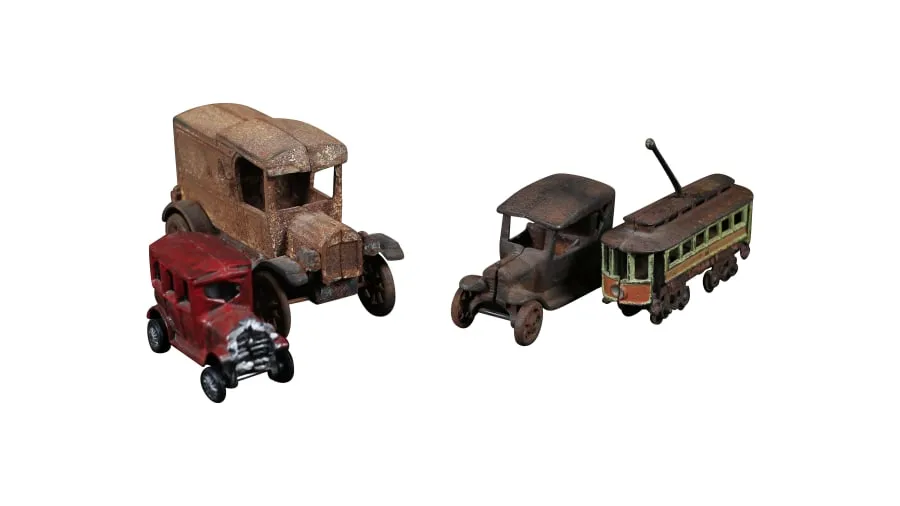
Diecast toys, often cherished by collectors and enthusiasts of all ages, are miniature vehicles and figures meticulously crafted using a specific manufacturing process. These toys replicate real-life automobiles, aircraft, trains, and various other vehicles. The term “diecast” refers to the method of production, which involves injecting molten metal, typically zinc alloy, into a mold under high pressure. This process allows for intricate detailing and the creation of highly accurate models. The enduring popularity of diecast toys stems from their realism, durability, and the nostalgic value they hold for many individuals. From classic cars to modern marvels, diecast toys offer a tangible connection to the world of vehicles and a fascinating hobby for those who appreciate the art of miniature replication.
The Definition of Diecast
The term “diecast” itself is derived from the manufacturing technique used to create these miniature models. Die-casting is a metal casting process characterized by forcing molten metal under high pressure into a mold cavity. This process is especially well-suited for producing parts with intricate details and complex shapes, making it ideal for replicating the fine features of vehicles. The molds, or dies, are typically made from steel and are designed to withstand the high pressures and temperatures involved in the casting process. Once the metal cools and solidifies, the die is opened, and the finished diecast toy is removed. The precision and efficiency of die-casting allow for the mass production of highly detailed and durable toys that have become iconic collectibles.
Diecast Manufacturing Process

The diecast manufacturing process is a sophisticated procedure that brings these detailed miniatures to life. It starts with the creation of a mold, which is a negative impression of the final toy. Molten metal, typically a zinc alloy, is then injected into this mold under high pressure. This pressure ensures that the molten metal fills every crevice and detail of the mold, resulting in a highly accurate replica. After the metal cools and solidifies, the mold is opened, and the rough casting is extracted. This casting then undergoes a series of finishing processes, including trimming, cleaning, and polishing, to remove any excess material and refine the details. Finally, the toy is painted, decorated, and assembled, often with plastic or rubber components, to complete the final product. This multi-step process ensures the quality, detail, and durability that diecast toys are known for.
Materials Used in Diecast Toys
The materials used in diecast toys are crucial to their durability and realism. The primary material is typically a zinc alloy, which is a mixture of zinc, aluminum, magnesium, and copper. This alloy provides a good balance of strength, detail retention, and affordability, making it ideal for mass production. In addition to the metal casting, other materials are used to enhance the realism and functionality of the toys. Plastic components are frequently used for windows, tires, and interior details. Rubber is also used for tires and sometimes for other parts that require flexibility. Paint, decals, and other decorative elements complete the final product, making each diecast toy a miniature work of art.
Zinc Alloy
Zinc alloy is the backbone of most diecast toys, prized for its ability to capture fine details. This alloy typically includes zinc, aluminum, magnesium, and copper, each element contributing to the final product’s properties. Zinc provides a low melting point, making it ideal for the die-casting process, allowing for intricate designs to be replicated. Aluminum adds strength and durability to the toy, while magnesium improves fluidity and casting properties. Copper is often added to increase strength and corrosion resistance. The exact composition of the zinc alloy can vary between manufacturers, but the primary goal is always to create a durable, detailed, and cost-effective material for the production of diecast toys.
Aluminum

Aluminum is sometimes used in diecast toys, especially for higher-end models or specific components. Aluminum offers several advantages, including being lightweight, corrosion-resistant, and having good thermal conductivity. Its lighter weight can make the toy easier to handle, while its resistance to rust ensures that the toy will remain in good condition for a longer time. However, aluminum is more expensive than zinc alloy, so it is typically used for components where these benefits are especially important, such as the chassis or engine parts in premium diecast models. The use of aluminum reflects the manufacturers’ commitment to detail and quality, ensuring that the diecast toys are both aesthetically pleasing and long-lasting.
Tin
Tin is less commonly used in diecast toys compared to zinc alloy and aluminum, but it can still be found in some models, particularly older or vintage pieces. Tin has a low melting point and is easy to cast, allowing for intricate designs. It is also non-toxic and resistant to corrosion, making it a safe choice for toys. However, tin is not as strong as zinc alloy, so it is usually used for smaller components or parts that do not require a high degree of structural integrity. Its use is often associated with classic toy manufacturing techniques, reflecting a bygone era of toy production. Some collectors value tin diecast toys for their historical significance and unique characteristics.
Lead
Lead was once used in diecast toys, but its use has decreased significantly due to health concerns. Lead is dense, allowing for more weight and a solid feel, but it is a toxic material. Over time, as health and safety standards evolved, lead was gradually phased out of diecast toy production. Today, the use of lead is strictly regulated, and modern diecast toys are generally made from lead-free materials to ensure the safety of children and collectors. The transition to safer materials reflects the toy industry’s commitment to providing high-quality products that prioritize consumer well-being. Collectors should be aware of the potential risks associated with vintage toys containing lead and take appropriate precautions when handling them.
Understanding the Terminology

Understanding the terminology associated with diecast toys is crucial for collectors and enthusiasts. Terms such as “scale” and “manufacturer” are essential for identifying and appreciating different models. The scale of a diecast toy refers to the ratio between the toy’s size and the actual size of the vehicle it represents. This scale is typically expressed as a fraction, such as 1 18, which means the toy is 1/18th the size of the real vehicle. Manufacturers are another key aspect, as different brands produce diecast toys with varying levels of detail, quality, and collectibility. Knowing the terminology helps collectors identify their favorite models, assess their value, and navigate the diverse world of diecast toy collecting with confidence.
Scale
The scale of a diecast toy is a critical factor influencing its size, level of detail, and overall appeal. Scale indicates the ratio between the model’s dimensions and the actual vehicle’s dimensions. Common scales include 1 18, 1 24, 1 43, and more. The smaller the denominator in the fraction, the larger the model. For example, a 1 18 scale model is significantly larger than a 1 43 scale model. Different scales cater to diverse preferences, from the larger, more detailed 1 18 models often used for display, to the smaller, more accessible 1 43 models favored by many collectors. Scale determines the level of detail that can be incorporated into the model, influencing its aesthetic and collectibility.
1 18
1 18 scale diecast toys are known for their impressive size and high level of detail. This scale allows manufacturers to incorporate intricate features such as detailed engine compartments, opening doors, and realistic interiors. 1 18 scale models are often considered premium collectibles, as they offer a visually striking presentation and are frequently used as display pieces. The larger size allows for enhanced detailing and the use of high-quality materials, contributing to the model’s overall value. Collectors often favor 1 18 scale models for their impressive realism and the ability to appreciate the fine details of the vehicle’s design.
1 24

1 24 scale diecast toys strike a balance between detail and size, making them a popular choice among collectors. These models are smaller than 1 18 scale, making them more space-efficient for display while still offering a considerable level of detail. 1 24 scale models often feature opening doors, detailed interiors, and realistic paint finishes. They are versatile and accessible for collectors of all experience levels. Their size makes them convenient to store and display, while still allowing for intricate detailing. This scale is a favorite for those who appreciate the visual appeal and moderate space requirements for their collection.
1 43
1 43 scale diecast toys are compact and widely collected, offering a broad range of vehicles in various styles. This scale allows for a vast selection of models without requiring excessive display space. 1 43 scale models often feature a high level of detail despite their smaller size, allowing for accurate replicas of various cars, trucks, and other vehicles. This scale is especially popular among collectors of racing cars and classic automobiles. The compact nature of 1 43 scale models makes them a perfect choice for those starting a collection or for individuals with limited display space, providing an accessible entry point into the world of diecast collecting.
Brands and Manufacturers
The world of diecast toys is populated by numerous brands and manufacturers, each with its unique style, quality, and specialization. These manufacturers are crucial in shaping the collector’s market, determining what models are available, and influencing the overall value and appeal of diecast toys. Some brands are known for their high-end detail, catering to serious collectors seeking precision and realism. Other brands focus on mass production, providing affordable and readily available models for a wider audience. Understanding the different brands and their specializations helps collectors make informed decisions when selecting and expanding their collection. The brand name can also influence a diecast toy’s value, with some brands commanding higher prices due to their reputation for quality and collectibility.
Popular Diecast Toy Brands

Several brands have established themselves as leaders in the diecast toy industry, each offering unique features and models. Brands such as Hot Wheels and Matchbox are well-known for their affordable and mass-produced models, catering to a broad audience. These brands often focus on creating fun and accessible toys for children, with a wide variety of vehicles and themes. On the other end of the spectrum are brands like Autoart, Minichamps, and CMC, which are renowned for their premium quality, detailed craftsmanship, and realistic finishes. These brands cater to serious collectors and offer highly detailed models that are often considered investments. Other brands specialize in specific types of vehicles or scales, providing collectors with niche offerings. The diversity of brands in the diecast toy market ensures that collectors can find models that suit their individual preferences and interests.
Benefits of Collecting Diecast Toys
Collecting diecast toys offers a variety of benefits, including educational value, investment potential, and aesthetic appreciation. For many collectors, the hobby is more than just a pastime; it is a source of knowledge and personal enrichment. The study of different vehicles, brands, and manufacturing techniques fosters an understanding of history, engineering, and design. Diecast toys can also be seen as an investment, with the potential to increase in value over time. The aesthetics of these miniature replicas provide a sense of visual pleasure and can be a source of pride for collectors who enjoy displaying and sharing their collections. The benefits of collecting diecast toys are diverse, appealing to a wide range of individuals who appreciate the blend of education, investment, and aesthetics that the hobby provides.
Educational Value
Diecast toy collecting is an educational hobby, fostering an understanding of history, engineering, and design. Collectors learn about the evolution of vehicles, from classic cars to modern marvels, and gain insight into the development of automotive technology. The detailed replication of engines, interiors, and other features offers a glimpse into how vehicles are constructed and operate. Collectors may also learn about different manufacturers, their history, and their contributions to the automotive industry. The hobby encourages research, reading, and the development of critical thinking skills as collectors explore the history, specifications, and value of their models. This educational aspect makes diecast collecting a rewarding experience, enriching knowledge and appreciation for various aspects of the world around us.
Investment Potential
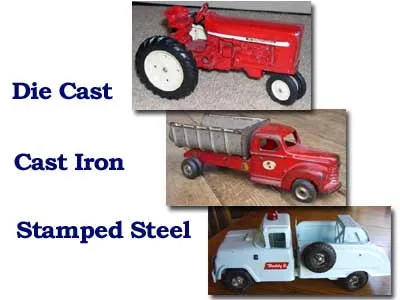
Certain diecast toys have the potential to appreciate in value over time, making them a viable investment for savvy collectors. The value of a diecast toy depends on several factors, including its rarity, condition, manufacturer, and historical significance. Limited edition models, particularly those produced in low quantities, often command higher prices. Toys in pristine condition are more valuable than those with wear and tear. The reputation and craftsmanship of the manufacturer also impact the value. Additionally, the historical significance of the model, such as its association with a famous vehicle or event, can significantly boost its value. Careful selection, storage, and preservation are crucial for maximizing the investment potential of diecast toys. Collectors should stay informed about market trends, values, and the factors influencing the collectibility of different models to make sound investment decisions.
Aesthetics and Display
Diecast toy collecting offers a unique opportunity for aesthetic appreciation and the creation of visually appealing displays. The miniature replicas provide a sense of visual pleasure. Collectors often take pride in showcasing their collections, creating attractive and organized displays that highlight the unique details and historical significance of their models. Various display methods, from custom-built shelves to themed showcases, are used to enhance the presentation of the toys. The aesthetic appeal of the toys and their presentation often encourages interaction and conversation, allowing collectors to share their passion with others. Displaying diecast toys transforms the hobby into a source of pride and enjoyment, allowing collectors to celebrate their passion for vehicles and miniature art.
Conclusion
Diecast toys, with their intricate detail and collectible nature, provide a fascinating world for enthusiasts of all ages. This guide has explored the meaning of diecast toys, the manufacturing processes, the materials used, and the rich terminology associated with the hobby. From the educational and investment potential to the aesthetic pleasure of collecting, diecast toys offer something for everyone. As the hobby continues to evolve, the value of these miniature replicas will endure, offering a blend of history, engineering, and artistic appreciation. Embrace the world of diecast toys, explore the various models, and immerse yourself in the joy of collecting these miniature works of art.