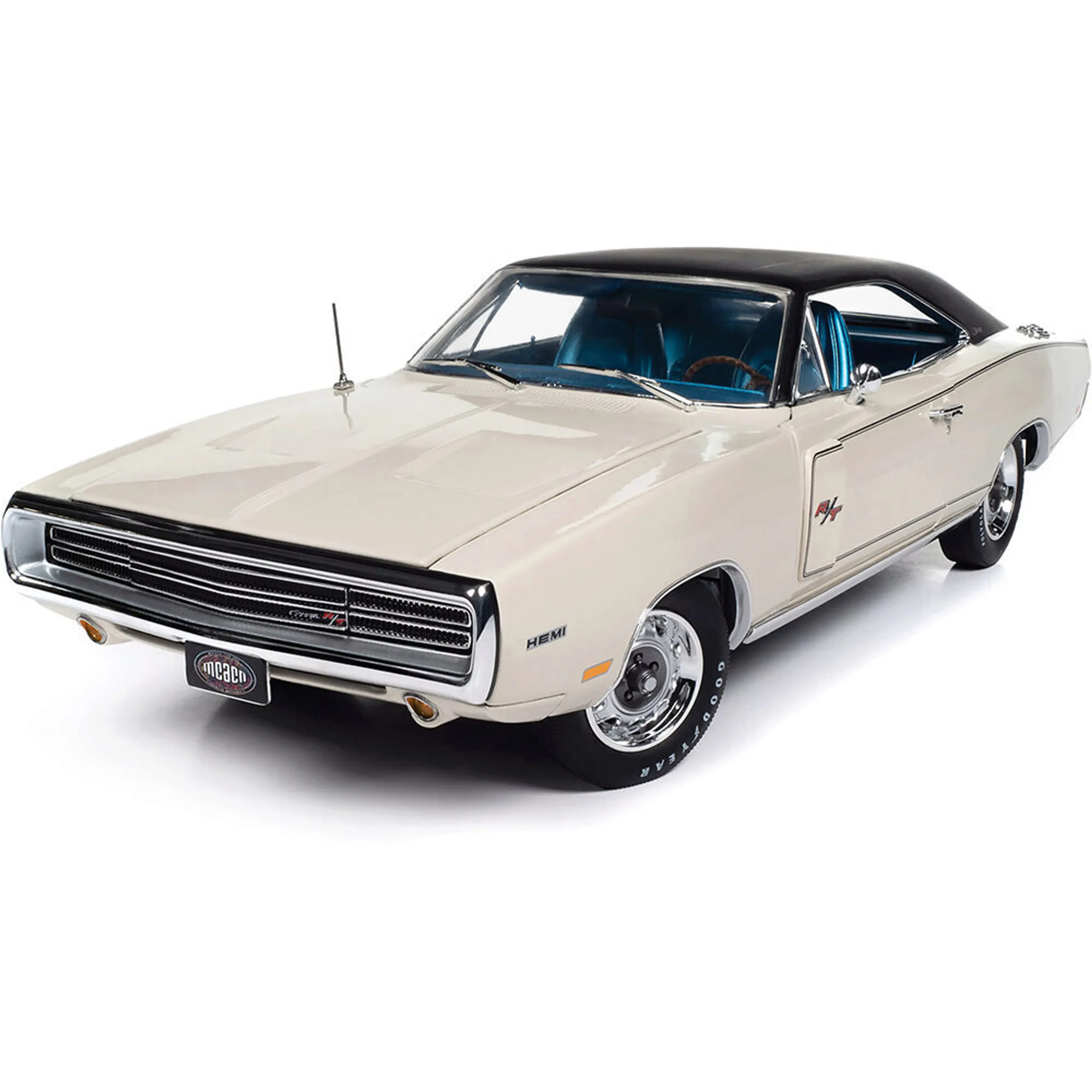
What is Diecast Toy Car Scale?
Diecast toy car scale refers to the proportional relationship between a miniature model car and its real-life counterpart. This scale is expressed as a ratio, indicating how much smaller the model is compared to the actual vehicle. For example, a 1:18 scale model is 1/18th the size of the real car. Understanding scale is crucial for collectors and enthusiasts as it impacts the size, detail, and overall aesthetic of the model. The scale allows for a standardized way to compare and collect models, ensuring consistency across different brands and manufacturers. It also influences the level of detail that can be incorporated into the model, with larger scales typically allowing for more intricate features. Choosing the right scale is a fundamental decision when starting or expanding a diecast car collection, dictating the space required for display and the types of models available. With such a wide array of scales available, understanding how they work is essential to enjoying this fascinating hobby.
Why Scale Matters for Diecast Toy Cars
Scale is more than just a number; it directly impacts the visual appeal, detail, and practicality of collecting diecast toy cars. The scale dictates how the model fits into your collection, how much space it requires for display, and the level of detail you can expect. Larger scales, like 1:18, offer more room for intricate features such as opening doors, detailed engines, and realistic interiors. Smaller scales, like 1:64, are more compact and allow for a broader collection without needing excessive space. The scale also influences the availability of models; some scales have a wider selection of vehicles than others. Collectors often choose a specific scale to focus their collection, ensuring uniformity and easier display. Scale also affects pricing; larger, more detailed models often command higher prices. Ultimately, the chosen scale shapes the entire collecting experience, influencing everything from model selection to display strategies, underscoring the importance of careful consideration when building a collection.
Different Diecast Toy Car Scales

Diecast toy cars come in a variety of scales, each offering a unique collecting experience. The most popular scales offer the widest variety of models and accessories. They determine the size and detail of the models, with larger scales generally allowing for more intricate features. Common scales include 1:18, 1:24, 1:43, and 1:64, each catering to different preferences and display requirements. Understanding the characteristics of each scale helps collectors make informed decisions about their collection. These scales are not just arbitrary numbers; they represent a standard that allows for comparison and coordination among models. They determine not only the physical size but also the level of detail and the price point, influencing every aspect of the collecting experience.
1:18 Scale
The 1:18 scale is a favorite among serious collectors, offering a high level of detail and realistic features. These models are significantly larger, allowing for intricate designs, opening doors, detailed engines, and realistic interiors. This scale provides a premium collecting experience, but requires more display space. The larger size makes it easier to appreciate the craftsmanship and detail, making them a centerpiece of any collection. Because of the larger size and more intricate designs, 1:18 scale models are often more expensive, reflecting the added detail and craftsmanship involved. This scale is perfect for those who appreciate detail and have ample space to display their collection.
1:24 Scale
1:24 scale is another popular choice, striking a balance between detail and space requirements. These models are slightly smaller than 1:18 scale, making them a versatile option for collectors with limited display space. They still offer a good level of detail, with opening doors, detailed interiors, and often, engine compartments. The 1:24 scale provides a great middle ground for collectors, offering a reasonable level of detail and features without requiring excessive space. It allows for a wide variety of models across different makes and models, making it a versatile option for collectors interested in different car types. The models are also generally more affordable than their 1:18 counterparts, making this scale an attractive option for both new and experienced collectors.
1:43 Scale

1:43 scale models are smaller and more compact, ideal for collectors who prefer to display a large number of models in a limited space. These models are still detailed, though the features may be less elaborate than those in larger scales. The 1:43 scale is a favorite for collectors looking to build extensive collections, as the smaller size allows for more models to be displayed in a smaller area. This scale also often includes a wider selection of vehicles, including more obscure makes and models. Due to their smaller size and often simpler construction, these models are generally more affordable, making them a cost-effective way to build a diverse collection. The 1:43 scale offers a balance between detail, availability, and cost.
Other Common Diecast Scales
Beyond the primary scales, other scales like 1:64 are also popular, especially for those seeking a broad selection and lower cost. 1:64 scale is particularly popular with brands like Hot Wheels and Matchbox, offering a vast range of vehicles. These models are small, affordable, and easy to collect in large quantities. These scales are perfect for collectors who want to explore a wide variety of models. They are often used in playsets and are great for kids. These scales cater to different collecting goals, allowing enthusiasts to curate their collections in unique ways. Different scales can also be mixed to create diverse displays, adding visual interest to a collection.
How to Identify Diecast Toy Car Scale
Identifying the scale of a diecast toy car is crucial for collectors, and several methods can be employed. Knowing the scale helps integrate the model into a collection and ensures the correct display arrangements. The scale is not always immediately apparent, but with a few simple techniques, you can quickly determine the scale of your model.
Check the Box

The easiest way to identify the scale is to check the original packaging. Most manufacturers include the scale on the box, usually near the model description or specifications. This is the most reliable method, especially if you still have the original packaging. Manufacturers typically print the scale prominently to inform buyers. If you have the box, this is the fastest and most accurate way to determine the scale of your diecast toy car.
Measure the Car
If you don’t have the box, you can measure the car and calculate the scale. Measure the length of the model in inches or centimeters. Then, find the actual length of the real car (you can find this information online). Divide the model’s length by the real car’s length to determine the scale. For example, if a model car is 8 inches long and the real car is 160 inches long, the scale is 1:20 (8/160 = 1/20). This method requires some online research, but it provides an accurate scale. This approach is particularly useful for models without packaging or those made by lesser-known brands. Careful measurement and accurate real-car specifications are key to success.
Use Online Resources
Several online resources can help you identify the scale of your diecast toy car. Websites and forums dedicated to diecast collecting often have databases where you can find information about specific models, including their scales. You can also use online calculators that help determine the scale by inputting the model’s dimensions and the real car’s dimensions. Online search engines can also be used; search for the model name, make and scale to find the details. These resources provide detailed information and are useful when the packaging is missing. These online tools save time and are especially handy when dealing with a large collection of models.
How to Choose the Right Scale

Choosing the right scale depends on individual preferences, available space, and collecting goals. Consider your space limitations; if you have limited display space, smaller scales like 1:43 or 1:64 might be more practical. If you enjoy detailed models, 1:18 or 1:24 scales provide more intricate features. Determine your budget, as larger-scale models often cost more. Think about the types of cars you want to collect; some scales offer a wider selection of specific vehicles. Consider whether you prefer a focused collection or a broad variety. Evaluate how you plan to display your collection; large-scale models look impressive on their own, while smaller scales allow for more comprehensive displays. Make a decision based on these factors to build a satisfying and enjoyable diecast car collection that meets your needs.
Collecting and Displaying Diecast Cars by Scale
Organizing and displaying diecast cars by scale enhances the aesthetic appeal of your collection and makes it easier to appreciate the different models. Grouping models of the same scale together creates a sense of uniformity and visual order. Use display cases, shelves, or shadow boxes to showcase your collection. Arrange the models by make, model, or era within their respective scales. Consider lighting to highlight the details of your diecast cars; spotlights or LED strips can dramatically improve their visual appeal. Keep your display clean and dust-free to preserve the models and their value. Regular maintenance, including cleaning and dusting, is important for preserving the value of your collection. Creative displays that complement the collection’s theme can provide a dynamic and engaging experience. By implementing these tips, you can create a visually striking display that showcases your passion for diecast cars.
Storing Your Collection
Proper storage is crucial to protect your diecast car collection from damage. Store models in a cool, dry place away from direct sunlight and extreme temperatures. The best way to store diecast cars is to keep them in a place that protects them from the environment. Use display cases with UV protection to prevent fading from sunlight. Use acid-free tissue paper or individual plastic containers to protect against dust and scratches. Avoid storing models in damp environments to prevent rust or other damage. Regular inspections and maintenance are key to keeping your collection in top condition. Proper storage ensures that your diecast car models are preserved.
Displaying Your Collection

Displaying your diecast car collection is a satisfying way to showcase your hobby and appreciation for these miniature vehicles. Use shelves, display cases, or dedicated display cabinets to create an organized and visually appealing presentation. Group models by scale, make, or model to maintain a sense of order. Incorporate lighting to highlight the details of your collection; consider using spotlights or LED strips to illuminate the models. Arrange models in creative ways, such as recreating scenes or arranging them thematically. Change your display periodically to keep your collection fresh and interesting. Displaying your collection not only adds aesthetic value but also allows you to enjoy and share your hobby with others.
Diecast Toy Car Scale Maintenance Tips
Maintaining your diecast toy car collection is essential for preserving its value and visual appeal. Regular cleaning, proper storage, and careful handling are crucial for keeping your models in top condition. Implement these maintenance tips to ensure that your collection remains in excellent shape for years to come.
Cleaning Your Cars
Regular cleaning prevents dust and debris from damaging your diecast cars. Use a soft brush or microfiber cloth to gently remove dust and dirt from the models’ surfaces. For more stubborn grime, use a mild soap solution and a soft cloth. Avoid harsh chemicals that could damage the paint or decals. Always dry the models thoroughly after cleaning. Take care when cleaning intricate details; a cotton swab can be useful for delicate areas. Cleaning not only improves the appearance of your models but also helps to prevent the build-up of damaging substances.
Protecting Your Collection

Protecting your diecast car collection from damage ensures its longevity and value. Store models in a cool, dry environment, away from direct sunlight. Use display cases or protective covers to shield them from dust and accidental damage. Handle your models carefully, avoiding excessive touching or dropping them. Consider using UV-protective display cases to prevent fading from sunlight. Regular inspections can identify any issues early on. Protect them from extreme temperatures or humidity, as these can damage the models. Proper care and protection are crucial for maintaining the value and beauty of your diecast toy car collection.
Where to Buy Diecast Toy Cars
Finding the perfect diecast toy cars for your collection involves knowing where to look. Various sources cater to different preferences and budgets, from online retailers to local hobby shops. Knowing the best places to shop can help you expand your collection and find rare or unique models.
Online Retailers
Online retailers offer a vast selection of diecast toy cars, providing convenience and a wide range of choices. Websites like Amazon, eBay, and specialized diecast retailers offer a diverse inventory. Online shopping allows you to compare prices, read reviews, and find rare or hard-to-find models. Many online retailers offer detailed product descriptions and images, helping you make informed decisions. Take advantage of online sales and promotions to find great deals. Online retailers are an excellent way to grow your diecast car collection.
Local Hobby Shops
Local hobby shops provide a hands-on experience, allowing you to examine models up close and interact with fellow enthusiasts. These shops often carry a curated selection of diecast cars, catering to various interests. Expert advice and a sense of community are common advantages of visiting a local hobby shop. You may find rare or vintage models. Local hobby shops are also an excellent resource for finding accessories and customizing your diecast cars. Supporting local businesses while expanding your collection can make the hobby even more enjoyable.