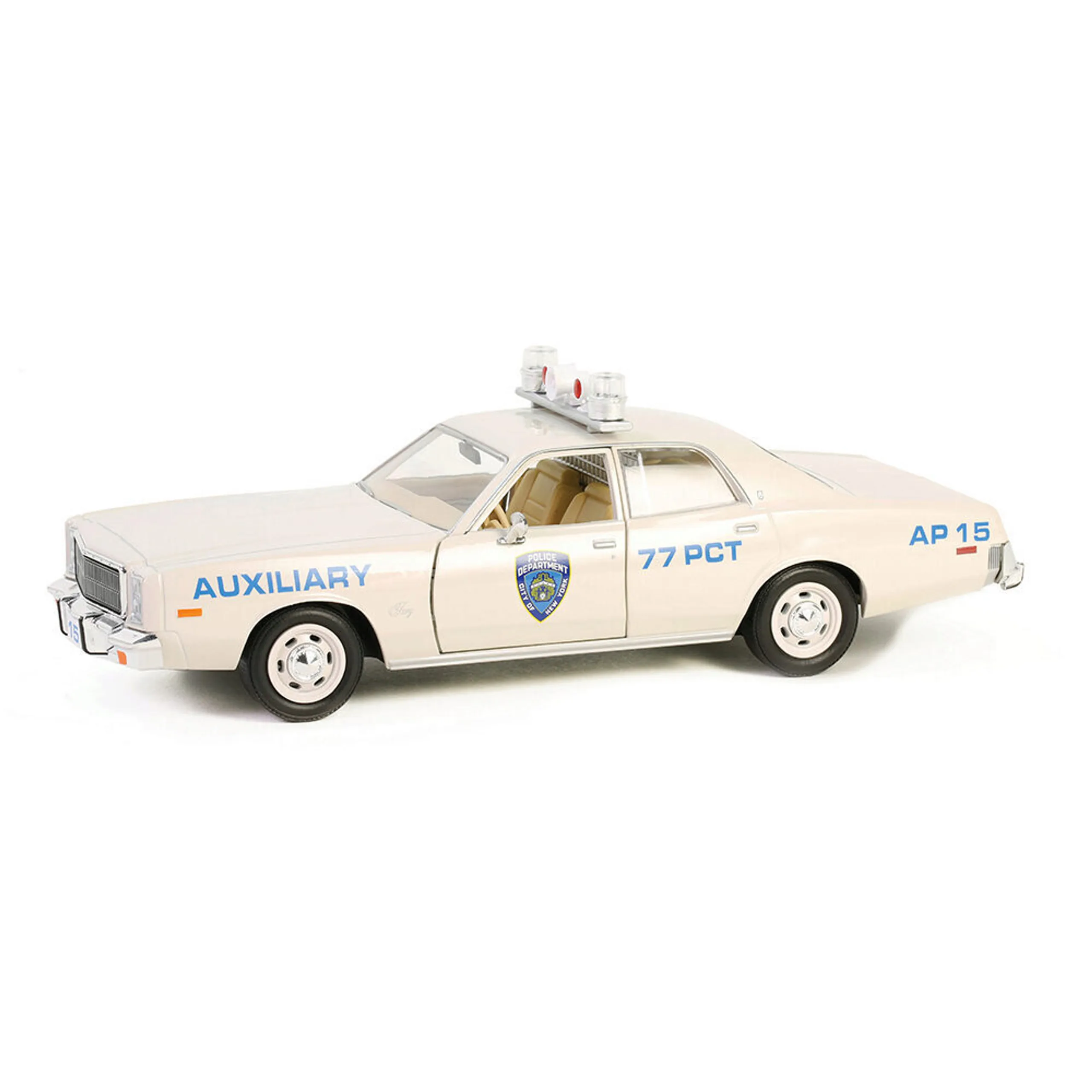
The Allure of Diecast Police Cars
Diecast police cars hold a special place in the hearts of collectors and enthusiasts. Their appeal extends beyond mere toy status, encompassing a blend of historical significance, meticulous craftsmanship, and the thrill of collecting. These miniature replicas capture the essence of law enforcement vehicles from various eras, representing a tangible link to the past and a celebration of automotive design. The meticulous detail, the accurate representation of the real-life counterparts, and the nostalgia associated with these models are all contributing factors to their enduring popularity. Owning a diecast police car is more than just possessing a model; it’s about owning a piece of history and a symbol of public service.
Historical Significance of Police Cars
Police cars, and by extension, diecast models of them, have played a vital role in the evolution of law enforcement. From the early days of horse-drawn patrol wagons to the high-tech cruisers of today, the vehicles have reflected the changes in society and policing. The evolution of these cars mirrors advancements in technology, from the integration of radios and emergency lights to the implementation of sophisticated computer systems. Diecast models provide a valuable educational tool, allowing collectors to examine the changes in vehicle design and understand how police cars have adapted over time to meet the challenges of maintaining public safety. Collecting these models is a way to preserve the memory of these vehicles.
Evolution of Police Car Design

The design of police cars has changed dramatically over the years, reflecting shifts in automotive trends and the evolving needs of law enforcement. Early police vehicles were often converted civilian cars, distinguished by their simple paint jobs and basic equipment. As technology advanced, police cars incorporated more specialized features such as sirens, flashing lights, and improved communications systems. The introduction of the ‘black and white’ paint scheme became an iconic symbol of law enforcement. Modern police cars often feature sleek, aerodynamic designs, powerful engines, and advanced technology. Diecast models offer a unique way to witness and appreciate this progression through accurate scaled down versions.
Iconic Police Car Models
Certain police car models have achieved legendary status, becoming instantly recognizable symbols of law enforcement. Classic examples include the Ford Crown Victoria, the Chevrolet Impala, and the Dodge Charger. These vehicles have served as mainstays in police fleets for decades, appearing in countless movies and television shows. Each model represents a specific era and technological advancement in policing. Diecast versions of these iconic models are highly sought after by collectors, providing an opportunity to own a miniature piece of automotive and law enforcement history. These models are often celebrated for their historical significance and the nostalgia they evoke.
Material and Manufacturing
The quality of a diecast police car depends heavily on the materials used and the manufacturing processes employed. High-quality models are typically made from diecast metal, which provides a durable and realistic feel. The manufacturing process involves injecting molten metal into molds, creating highly detailed replicas of real-world vehicles. Different brands and manufacturers might have varying material standards, but the most sought after models use the finest materials and techniques. This attention to detail ensures that the diecast models are both visually appealing and built to last. The weight and feel of a diecast model are also testament to its quality, with heavier models often indicating better craftsmanship.
Diecast Metal Composition

Diecast models are typically made from alloys of zinc, aluminum, and sometimes other metals like magnesium and copper. The exact composition varies depending on the manufacturer and the desired properties of the finished product. Zinc alloys are commonly used because they have a relatively low melting point and are easily cast into intricate shapes. The metal is injected into a mold and allowed to cool, forming the body of the model car. The metal’s properties impact the detail, durability, and weight of the final model. High-quality diecast metal ensures that the model can withstand the rigors of handling and display, maintaining its appearance for years to come.
Precision in Detail and Scale
The detail and scale of diecast police cars are critical factors in their appeal. Scale refers to the ratio between the model and the real-world vehicle (e.g., 1:18, 1:24, 1:43). The level of detail includes the replication of the vehicle’s body, interior, engine, and any specialized equipment that police cars carry. High-quality models feature accurate paint jobs, realistic decals, and finely detailed parts. Collectors often appreciate models that have functional features like opening doors, hoods, and trunks. The precision in detail requires advanced manufacturing techniques and skilled craftsmanship. Every aspect, from the size and position of the lights to the graphics on the side, contributes to a model’s overall realism.
Key Features of Diecast Models
Many diecast police cars incorporate a variety of features that enhance their realism and appeal. These features can include working lights and sirens, steerable wheels, and opening doors and hoods. Some models even feature detailed engine compartments and interiors, complete with seats, dashboards, and even miniature radios. The addition of these features increases the model’s value. Manufacturers might also include rubber tires, accurate paint colors, and authentic markings. The level of detail varies, but high-end models strive for the most realistic representation possible. This attention to detail enhances the overall collecting experience.
Authentic Decals and Markings

Authentic decals and markings are essential to the accuracy and collectibility of diecast police cars. These include the police department’s logos, vehicle identification numbers, and other distinctive markings. High-quality models utilize decals that are precisely applied and accurately represent the markings found on the real-life vehicles. The placement, color, and font of the decals are crucial to the overall realism of the model. Some manufacturers use tampo printing, a process that applies the markings directly to the model, for increased durability and detail. These decals and markings help to transform a model into a realistic miniature replica of a real police car, adding to the collector’s enjoyment and the model’s value.
Collecting Diecast Police Cars
Collecting diecast police cars is a rewarding hobby that allows enthusiasts to combine their interests in law enforcement, automotive history, and model building. The collecting landscape involves a diverse community of collectors with a variety of interests, from classic models to modern cruisers. Collectors often focus on specific brands, eras, or even particular police departments. Building a collection involves research, seeking out rare models, and enjoying the thrill of finding new additions to their collection. The hobby offers a chance to connect with other enthusiasts and learn about the history of police vehicles. The value of the collection often grows over time, providing both enjoyment and a potential investment.
Rarity and Value
The rarity and value of diecast police cars are influenced by factors such as the manufacturer, the model’s age, the level of detail, and the model’s limited production run. Rare models, particularly those from limited editions, can command a premium price among collectors. Some models are highly sought after due to the department or the vehicle being represented. Mint condition models with their original packaging typically hold the highest value. The popularity of certain police car models from movies or TV shows can also impact their value. Market fluctuations and the overall demand in the collecting community also play a crucial role in determining prices.
Factors Affecting Collectibility

Numerous factors contribute to the collectibility of diecast police cars. These include the manufacturer’s reputation for quality, the accuracy of the model’s details, and its historical significance. Limited edition models, produced in small quantities, are typically more valuable. The condition of the model, including its paint job and the presence of original packaging, also significantly affects its collectibility. Models from specific eras or depicting iconic vehicles are often highly sought after. Interest from collectors in particular departments and models is always a factor. The story of the vehicles can increase their value, which creates a narrative behind the diecast police cars.
Tips for Collectors
Collecting diecast police cars requires a degree of patience and research. Starting a collection involves deciding on a collecting focus, whether it’s a specific brand, era, or type of police car. Researching the market helps understand the value and rarity of different models. Inspecting the model carefully for damage or flaws is crucial. Connecting with other collectors and attending shows or online forums provides valuable insights and opportunities to acquire models. Protecting the models from damage and exposure to the sun is also very important. Organizing and displaying the collection properly increases its value and appreciation. The key is to enjoy the process of collecting and to learn about the vehicles.
Restoration and Preservation
Restoration and preservation are essential aspects of maintaining and enhancing the value of diecast police cars, particularly older models. Restoration involves repairing any damage, such as repainting or replacing broken parts, to bring the model back to its original condition. Preservation efforts focus on protecting the model from further damage and deterioration. Collectors should store models in a climate-controlled environment, away from direct sunlight and extreme temperatures. Using appropriate display cases helps protect the models from dust and other environmental factors. Regular cleaning with soft cloths can help keep the models looking their best. Taking these steps helps to preserve the model.
Famous Diecast Police Car Manufacturers

Several manufacturers have established themselves as leaders in producing high-quality diecast police cars. Some of the most recognized include Greenlight Collectibles, Auto World, and Johnny Lightning, among others. These manufacturers are known for their attention to detail, the accuracy of their models, and the wide variety of police car models they offer. Each manufacturer may specialize in a particular scale or type of model. Collectors often develop preferences for the brands, which adds a layer to the collecting process. The best manufacturers are consistently innovating in this field.
Top Brands in the Market
When building a collection of diecast police cars, it’s useful to be familiar with the top brands in the market. Greenlight Collectibles is known for its detailed models and a wide variety of licensed police vehicles. Auto World is famous for its high-quality models, accurate detailing, and vintage cars. Johnny Lightning creates a wide variety of models and scales that are very popular. These brands continuously release new models, keeping the hobby engaging and exciting for collectors. The brands have cultivated a loyal following of dedicated collectors. Understanding the key features and strengths of each brand can help you choose the models that best suit your collection goals.
Exclusive and Limited Editions
Exclusive and limited editions add a unique element to the world of diecast police car collecting. These models are produced in limited quantities or are exclusive to specific retailers. They often feature special paint schemes, unique details, or additional accessories. The rarity of these models makes them highly sought after by collectors. Special editions typically commemorate significant events or collaborations between manufacturers and law enforcement agencies. Limited editions provide a great investment opportunity for collectors. The demand for these models can drive up their value in the secondary market, making them a valuable addition to any collection.
Displaying and Showcasing Your Collection

Displaying your collection of diecast police cars is an important part of the collecting experience. It allows you to showcase your prized models, protect them from damage, and enhance your appreciation for the vehicles. A well-organized and visually appealing display also adds value to your collection. Collectors often spend considerable time and effort creating a display space that complements their collection. Whether it’s a dedicated room or a section of a shelf, a display can enhance the enjoyment of the hobby.
Creating a Dedicated Display Space
Creating a dedicated display space for your diecast police cars involves careful planning and organization. Considerations include the available space, the size of your collection, and the overall aesthetic you wish to achieve. Display cabinets, shelves, and shadow boxes are common choices for showcasing models. Lighting is also very important. Proper lighting can highlight the details of the models, enhance their appearance, and make the collection more visually appealing. The display can also include related memorabilia such as police badges or informational plaques to add context.
Protecting Your Collection
Protecting your diecast police car collection involves several important steps. Dust is the number one enemy, so display cases are a good idea. Avoid direct sunlight and extreme temperatures. Handling models with care is also important to prevent damage. Regularly cleaning the models helps to maintain their appearance and value. Insuring your collection against theft or damage is also a great idea to protect your investment. The more care you take in protecting your collection, the more you will enjoy this fascinating hobby. A well-protected collection will also maintain its value over time.
Where to Buy Diecast Police Cars
Finding the right place to buy diecast police cars is essential to growing your collection. Several sources offer a diverse selection of models, ranging from new releases to rare and vintage pieces. Online marketplaces, specialty shops, and auctions all offer unique opportunities to find your favorite models. Each source has its advantages and disadvantages, so the best approach is to explore all options.
Online Marketplaces
Online marketplaces provide a convenient and vast selection of diecast police cars. Platforms such as eBay and Amazon host a wide variety of sellers, offering a wide range of models, from new releases to vintage collectibles. Prices vary, so it is important to compare offers to make sure you get a fair deal. Online marketplaces also allow you to search for specific models and brands. It’s always a good idea to read reviews and verify the seller’s reputation. This approach offers collectors convenient options for expanding their collections and finding rare models.
Specialty Shops and Auctions
Specialty shops and auctions offer unique opportunities for acquiring diecast police cars. Local hobby shops often stock a variety of models, from new releases to vintage collectibles. Auctions, both online and in person, can be a great place to find rare and valuable models. Auctions often include items from private collections. This method can be helpful when tracking down hard-to-find models. Attending model shows and conventions is also a great way to network with other collectors and locate specific models.