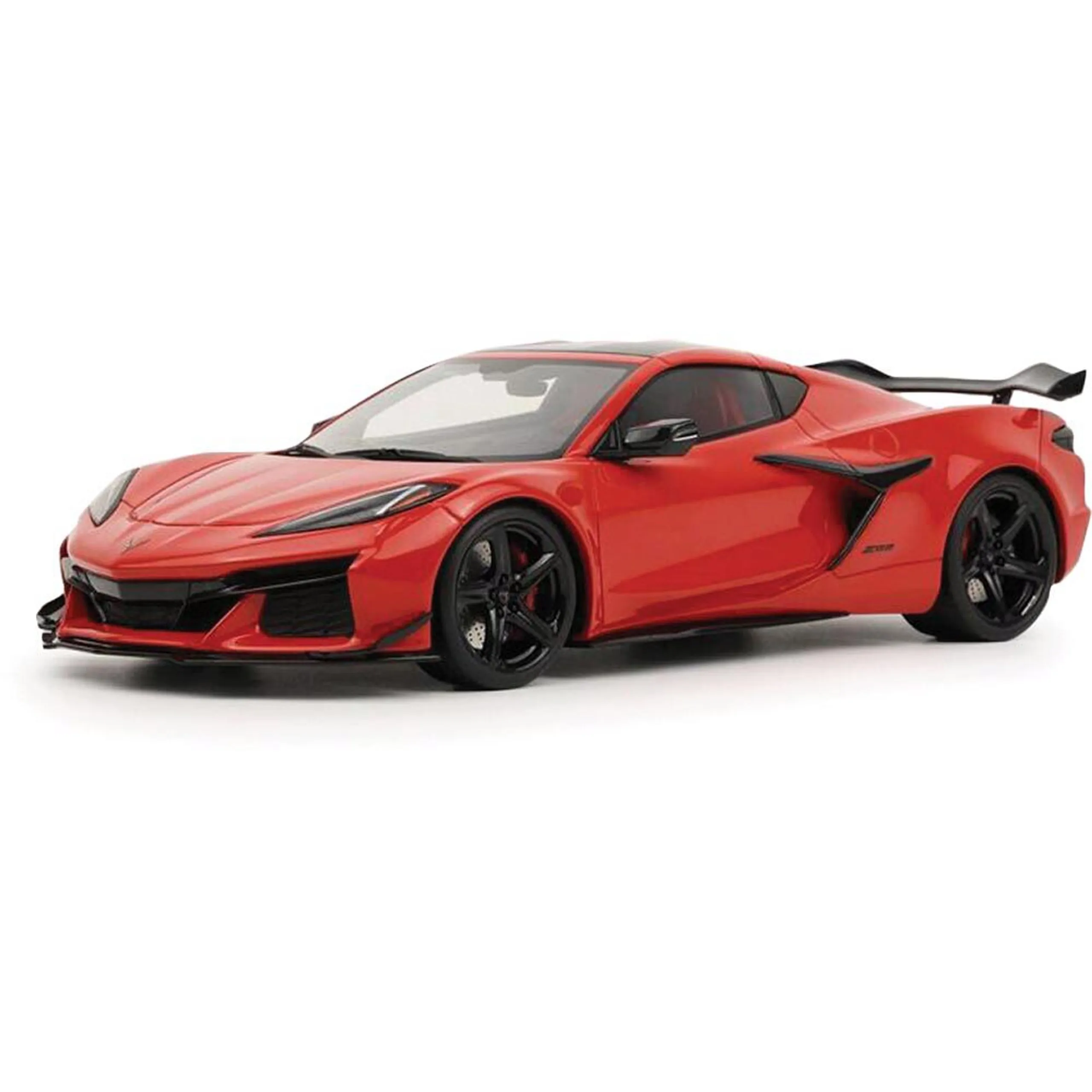
What Makes Diecast Model Cars Valuable
Diecast model cars have captivated collectors and enthusiasts for decades, transforming from simple toys into highly sought-after investments. The value of these miniature vehicles isn’t solely determined by their size or the materials used, but rather by a complex interplay of factors. Understanding these elements is crucial for both seasoned collectors and those new to the hobby. Several key components contribute to a diecast model car’s worth, including its rarity, condition, the brand’s prestige, the level of detail, and current market demand. Each of these aspects plays a significant role in determining the ultimate value, making the world of diecast model cars a fascinating blend of art, history, and investment potential. Recognizing these factors helps collectors make informed decisions, whether buying, selling, or simply enjoying their prized possessions. The market for these miniature marvels is dynamic and ever-changing, with values fluctuating based on a variety of influences.
Rarity and Limited Editions
One of the most significant determinants of a diecast model car’s value is its rarity. Limited editions, which are produced in small quantities, often command higher prices due to their exclusivity. The fewer the models produced, the more valuable they become. Collectors actively seek out these rare items, viewing them as both treasures and potential investments. Limited editions frequently feature unique paint schemes, special detailing, or are based on prototypes, adding to their desirability. The impact of rarity extends beyond just production numbers; it encompasses the model’s availability in the market, and the popularity of the specific car it represents. Rare models are highly prized within the collecting community, often traded at significant premiums. A model that was only available in a specific region or during a particular promotional event can also become highly valuable, underscoring the importance of knowing the car’s history.
The Impact of Production Numbers

Production numbers directly influence a model’s scarcity. Models with fewer units produced are inherently rarer and thus more valuable. Manufacturers often release limited runs of specific models to cater to a niche market or celebrate a special event. These limited-run models are particularly sought after by collectors, eager to add them to their collections. The exact production numbers are usually documented by the manufacturer or through the model’s packaging, which adds an element of authenticity and provenance to the item. The lower the production number, the higher the perceived value, creating a supply and demand dynamic that fuels the collector’s market. This knowledge guides collectors in assessing the potential investment value of a model, prompting them to focus on those with limited availability.
Factors Influencing Rarity
Several factors contribute to a model’s rarity beyond mere production numbers. Limited distribution, where a model is only available in specific regions, significantly increases its value outside those areas. Promotional models, created for special events or to commemorate a particular achievement, are often produced in limited quantities. Similarly, errors in production can make a model rare; these mistakes can include incorrect paint colors, missing parts, or mislabeled packaging. The passage of time also plays a role, as models may become rarer as they are lost, damaged, or simply disappear from the market. Collectors meticulously track these factors, using this information to assess the model’s rarity and potential long-term value.
Condition and Preservation
The condition of a diecast model car significantly impacts its value. Mint-condition models, those that are unopened and free of any defects, command the highest prices. Collectors and investors are often willing to pay a premium for models in pristine condition, as they represent the best examples of their kind. Models that have been well-preserved, stored in their original packaging and protected from sunlight and dust, maintain their value much better than those that have been handled or displayed improperly. Even minor imperfections, such as scratches, paint chips, or missing parts, can significantly diminish a model’s value. The condition is graded meticulously by collectors and experts, with each aspect carefully evaluated. This detailed assessment influences the price of the model in the market.
The Importance of Original Packaging

Original packaging adds significantly to the value of a diecast model car. Collectors place a premium on models that come complete with their original boxes, inserts, and any accompanying documentation. The packaging not only protects the model but also serves as a part of its historical record, providing valuable information about its origin, production details, and sometimes, the brand’s marketing materials. Packaging in excellent condition further enhances the value, showing the model was kept as new. Boxes with minimal wear and tear often are seen as indicators that the model itself has been well-cared for. Conversely, models without their original packaging are generally less valuable. The presence and condition of the packaging can be a decisive factor in determining a model’s market price and appeal.
Signs of Wear and Tear
Wear and tear can have a significant impact on the value of a diecast model car. Collectors meticulously examine models for signs of damage, such as scratches, paint chips, dents, or missing parts. The presence of any of these imperfections can significantly reduce the model’s value, depending on the severity. Models that have been exposed to sunlight may suffer from fading, which further diminishes their worth. Similarly, those that have been handled frequently often show signs of wear on the wheels, tires, and other moving parts. Collectors often rate these factors, using a system of grades to assess the model’s condition. Careful inspection is vital before purchasing a model. Thorough evaluations allow buyers to fully understand a model’s condition and its impact on its potential resale value.
Brand and Manufacturer Prestige
The brand and manufacturer of a diecast model car heavily influence its value. Certain brands have established reputations for quality, accuracy, and collectibility, making their models highly sought-after. Companies with a long history in model car production, or those known for their attention to detail and the quality of their materials, typically command higher prices. Brand recognition and the perceived prestige associated with particular manufacturers can significantly impact demand. Collectors often favor models produced by companies with strong brand recognition and a history of producing high-quality, accurate replicas. Brand reputation can drive up prices at auctions and among collectors, with certain manufacturers consistently outperforming others in terms of resale value.
Popular and Sought-After Brands

Certain brands are perennially popular and highly sought-after within the diecast model car community. These brands have built reputations for excellence. Examples of these brands include high-end manufacturers known for their meticulous detail and limited production runs. Collectors often seek out models from these brands, viewing them as valuable additions to their collections. The popularity of these brands is reflected in the prices their models command in the market, with certain releases often selling for significant premiums. The brands’ ability to consistently produce models that meet or exceed collector expectations helps to sustain this high demand, ensuring that models from these brands remain valuable and highly desirable.
Why Brand Matters for Value
The brand name itself is often an indicator of quality, accuracy, and collectibility. Brands with a history of producing high-quality models tend to hold their value better than those that do not. Collectors trust the brand’s reputation for quality control, detail, and the overall representation of the real-life car. The brand also influences the model’s perceived rarity and the availability of replacement parts or accessories. Premium brands often offer more sophisticated detailing, exclusive features, and a higher level of craftsmanship, making their models particularly valuable. As the brand’s reputation grows, so does the model’s appeal within the collecting community.
Detailed Scale and Accuracy
The level of detail and accuracy in a diecast model car directly impacts its value. Models that accurately replicate the real-life vehicles in terms of scale, proportions, and specific features are highly prized by collectors. The more detailed a model, the higher its potential value. Detailed models often include features such as opening doors, hoods, and trunks, as well as accurately reproduced interiors, engine compartments, and undercarriages. Accurate paint colors, authentic badging, and realistic detailing contribute significantly to the overall appeal and value of the model. This attention to detail elevates the model from a toy to a miniature work of art. This increases their desirability and consequently, their value within the collector market.
The Role of Authentic Detailing

Authentic detailing is a key factor in determining a diecast model car’s value. Collectors pay close attention to how closely the model mirrors the real-life vehicle. Authentic detailing includes accurately replicated interior features, such as dashboards, seats, and steering wheels, along with detailed engine compartments and undercarriages. The use of high-quality materials, such as diecast metal and accurate paint colors, further enhances the model’s realism. The level of detail also encompasses features like functional steering, opening doors and hoods, and realistic tires. A model with excellent detailing is more sought after and commands a premium. Accurate detailing reflects the manufacturer’s commitment to quality.
How Collectors Evaluate Detail
Collectors meticulously evaluate the level of detail in a diecast model car, using several criteria. They assess the accuracy of the scale, ensuring that the model’s dimensions and proportions match those of the real-life car. They also examine the interior, looking for features like detailed dashboards, seats, and other interior components. Engine and chassis details are another important consideration, with collectors looking for accurate representations of the engine, suspension, and undercarriage. Paint quality and accuracy, the precision of badging and logos, and the use of high-quality materials all contribute to the overall evaluation of the model’s detail. This detailed assessment drives decisions in a collector’s choices, dictating the final value of the item.
Market Trends and Demand
Market trends and current demand have a significant impact on the value of diecast model cars. The popularity of certain car models or brands can fluctuate over time, reflecting changing tastes and interests. A model that is highly sought-after one year may become less desirable the next, and vice versa. The market is influenced by various factors, including the popularity of specific car models, the availability of models, and overall economic conditions. Collectors and investors must stay informed about market trends to make informed decisions. The internet and social media also play a key role in market trends, with discussions among collectors influencing demand. Understanding and reacting to these dynamics is essential for anyone buying or selling diecast model cars.
Current Collectibles and Emerging Trends

The market for diecast model cars constantly evolves, with new collectibles and emerging trends shaping demand. Currently, there is high demand for models of classic cars, particularly those from the 1950s and 1960s, as well as highly detailed modern sports cars and supercars. Limited-edition releases, collaborations with famous car manufacturers, and models of cars from popular movies and TV shows are also gaining traction. Emerging trends in the market include a growing interest in models from specific eras or regions, as well as a rise in the popularity of certain brands. Keeping abreast of these trends is crucial for collectors and investors looking to maximize the value of their collections. Researching and understanding these trends allow collectors to make informed decisions about what to buy, sell, and collect.
Where to Find the Top Diecast Model Cars
Finding valuable diecast model cars requires exploring various sources, ranging from online auctions to local collectibles shops and fairs. Several avenues provide opportunities for acquiring these treasures. Understanding the market and the most reliable sources can significantly increase the chances of finding valuable models. The best place to find these valuable finds includes online marketplaces, local events, and networking with other collectors.
Online Auctions and Marketplaces
Online auctions and marketplaces are excellent places to find a wide variety of diecast model cars, including rare and valuable models. Websites such as eBay, online auction houses, and specialized online forums offer a vast selection. These platforms provide access to sellers from around the world, increasing the chances of finding specific models. However, buyers should exercise caution, carefully examining the model’s condition, verifying the seller’s reputation, and reviewing the bidding history. Auctions can sometimes offer competitive prices, and marketplaces often have a good selection of rare items. Knowledge of the market is critical when navigating these platforms. Taking time to understand how these platforms work can greatly enhance the chances of making a successful purchase.
Tips for Successful Bidding

Successful bidding on online auctions involves several strategies. Before bidding, carefully research the model car you are interested in. Determine its market value, understand its rarity, and assess its condition. Set a budget and stick to it to avoid overspending. Keep an eye on the bidding, and be prepared to increase your bid as needed. Be patient, as auction prices often spike in the final minutes. Check the seller’s feedback and ask questions to ensure you are dealing with a reputable seller. By following these tips, you can increase your chances of finding the models you want at a fair price.
Local Collectibles Shops and Fairs
Local collectibles shops and fairs are other valuable sources for finding diecast model cars. These establishments offer a hands-on experience where you can see the models in person, assess their condition, and ask questions. Collectors can often find hidden gems and discover models they might not find online. Attending local fairs and shows is a great way to connect with other collectors, exchange information, and learn more about the hobby. Local shop owners often have specialized knowledge and a network of contacts. Building relationships with them and other collectors can increase the chances of finding rare and valuable models. These face-to-face interactions can provide a more personal and reliable way to find and evaluate models.
Networking with Other Collectors
Networking with other collectors is a valuable way to find and learn about diecast model cars. Joining collector clubs, participating in online forums, and attending local events can provide access to valuable information and opportunities. Other collectors often have insights into rare models. Sharing knowledge, trading models, and exchanging tips can greatly enhance the collecting experience. Networking with other collectors helps develop a deeper understanding of the market and offers potential chances to discover valuable models. Building a network of fellow collectors and sharing your knowledge of the hobby are equally important.
In conclusion, the value of diecast model cars is a multifaceted concept, influenced by rarity, condition, brand, detail, and market trends. By understanding these factors and knowing where to look, collectors and enthusiasts can discover valuable finds. The world of diecast cars offers an exciting intersection of history, art, and investment. Whether you’re a seasoned collector or just starting, this guide provides the knowledge needed to navigate the thrilling world of diecast cars. Explore the possibilities and enjoy the journey of collecting these miniature treasures.