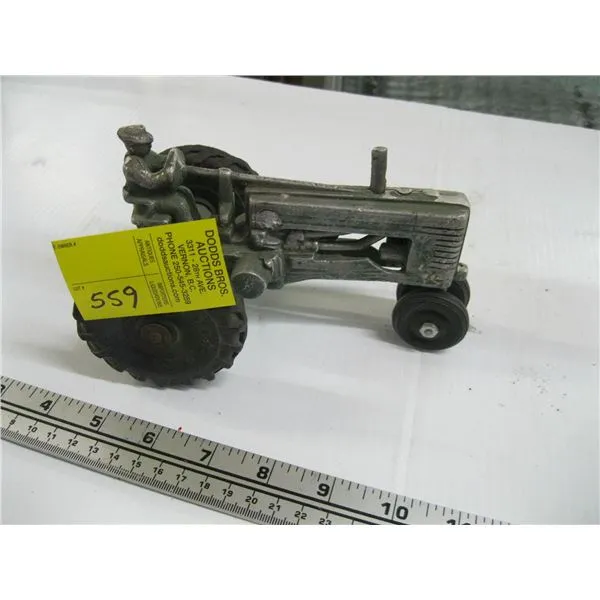
What are Diecast Agricultural Models
Diecast agricultural models are miniature replicas of farm vehicles and equipment, meticulously crafted from metal alloys, plastic, and rubber. These models are popular among collectors, hobbyists, and enthusiasts of agriculture and machinery. The level of detail and realism can vary significantly, from simple toys to highly detailed, accurate representations of specific machines. These models offer a tangible connection to the world of farming and provide a rewarding hobby for those who appreciate craftsmanship and the history of agricultural technology. Many people collect these models not just for their visual appeal but also as an investment, as certain models can increase in value over time, especially limited editions or rare pieces.
Detailed Design and Authenticity
One of the most appealing features of diecast farm models is their attention to detail. Manufacturers strive to create realistic miniatures, capturing the essence of the full-sized machinery. This includes accurately replicating the shape, paint colors, decals, and even the wear and tear found on real-life agricultural vehicles. The level of detail can extend to intricate components like engine parts, operator cabins, and working lights. Collectors often prize models that closely resemble the original machines, paying close attention to the accuracy of the design and the quality of the finish. This dedication to authenticity transforms these models into miniature works of art, allowing enthusiasts to appreciate the beauty and functionality of agricultural equipment in a smaller, more accessible format.
Scale and Proportion

Scale is a crucial aspect of diecast farm models. The scale indicates the ratio between the model’s size and the size of the actual machine. Common scales include 1:16, 1:32, and 1:64, among others. The scale determines the level of detail, the size of the model, and how well it fits with other models in a collection. For example, a 1:16 scale model will be larger and generally feature more intricate details than a 1:64 scale model. Collectors often specialize in a particular scale to maintain consistency in their collections and create realistic dioramas. Understanding the scale is essential when buying models, ensuring that the pieces will complement each other and represent the agricultural world in a cohesive and visually appealing way.
Materials Used in Construction
The materials used in the construction of diecast agricultural models significantly influence their quality, durability, and visual appeal. The primary materials used are carefully selected to provide both realism and longevity. The combination of materials allows manufacturers to achieve high levels of detail, create moving parts, and ensure the models can withstand handling and display over extended periods. Understanding these materials helps collectors appreciate the craftsmanship and the care taken in producing these miniature replicas.
Diecast Metal
Diecast metal is the foundation of most agricultural models. Typically, a zinc alloy is used because it allows for intricate detailing and strong construction. The molten metal is injected into molds under high pressure, creating precise shapes. Diecast metal provides weight, durability, and a high-quality feel. It is also excellent for paint adhesion, allowing the models to have vibrant and long-lasting colors. Many collectors value diecast models for their solid feel and the sense of quality that the metal construction provides.
Plastic Components

Plastic components are used extensively to add details, such as lights, mirrors, interior parts, and smaller accessories. Plastic allows for complex shapes and fine detailing that would be difficult to achieve with diecast metal alone. High-quality plastics provide durability and can be molded into transparent parts like windows and lights. The use of plastic reduces the overall weight of the model and provides a contrasting texture to the metal parts. This combination of materials provides a realistic and visually appealing result.
Rubber Tires
Rubber tires are a key component of diecast agricultural models, contributing to their realism and functionality. These tires are designed to resemble the tires used on actual farm vehicles, featuring realistic tread patterns and sidewall details. Rubber provides grip and allows the models to roll smoothly, enhancing playability and display options. The quality of the rubber affects the model’s appearance and its ability to withstand wear and tear. High-quality rubber tires add authenticity and help to make the models feel like miniature versions of the real thing.
Moving Parts and Functionality
One of the most exciting features of diecast farm models is their ability to replicate the functionality of real-life machinery. Moving parts and operational features add a layer of interaction and realism that enhances the collecting and display experience. The addition of moving parts significantly boosts their collectibility and appeal. Collectors often seek out models with operational features, as they offer a more engaging and immersive experience.
Opening Doors and Hoods

Many models include opening doors and hoods, allowing a glimpse into the interior and engine compartments. This level of detail allows collectors to appreciate the craftsmanship and engineering of the model. Opening doors and hoods add to the overall realism, allowing the user to imagine what it would be like to be in the actual vehicle. These functional components can be a major selling point for collectors seeking high-quality, interactive models.
Steerable Wheels
Steerable wheels are another common feature, allowing users to pose the model in different positions and simulate realistic movement. Steerable wheels add to the playability and display versatility of the models. This feature adds to the interactive experience, making the models even more engaging. This enhances the appeal of the models for collectors, making them more than static display pieces.
Realistic Sound and Light Effects
Some advanced models feature realistic sound and light effects, further enhancing the immersive experience. These models may have working headlights, taillights, and even simulated engine sounds. Sound and light features elevate the level of realism, allowing collectors to simulate the sounds and sights of a working farm. These features add a considerable premium to the models and are highly sought after by collectors.
Collecting and Display

Collecting diecast farm models can be a rewarding hobby, combining a passion for agriculture with the appreciation of miniature craftsmanship. Organizing and displaying the models is an integral part of the collecting experience, allowing enthusiasts to showcase their collections and share their passion with others. The way a collection is organized and displayed can be highly personal, reflecting the collector’s taste and the specific models they focus on.
Popular Scales for Collecting
The scale of the models is an essential consideration for collectors. Common scales include 1:16, 1:32, and 1:64, with each offering different levels of detail and display options. Choosing a scale often depends on personal preference and the availability of models. 1:16 scale models are larger and tend to have more intricate details, making them a focal point of a collection. 1:32 scale offers a balance between detail and size. 1:64 scale is smaller, allowing for larger collections and easier display in limited spaces. The choice of scale influences the types of models available and how the collection is displayed.
Display Cases and Accessories
Display cases and accessories help protect and showcase collections. Display cases protect the models from dust and damage, preserving their condition. Accessories, such as miniature barns, fields, and figurines, can create realistic dioramas, adding context and visual interest to the display. Many collectors create elaborate displays to represent different farming activities or historical periods. Displaying models in an attractive and organized manner not only protects them but also enhances their visual appeal, making the collection a source of pride and enjoyment.
Brand Reputation and Value

Brand reputation and the potential for increased value over time are important factors for collectors. Some brands are known for their quality, detail, and historical significance, making their models highly sought after. Collecting diecast farm models can be an investment, as some models appreciate in value over time, particularly limited editions or rare pieces. Understanding the brand’s history, quality, and collector demand can influence the collecting experience and potential investment value.
Popular Diecast Farm Model Brands
Several brands have earned a reputation for excellence in the diecast agricultural model market. These brands are known for their attention to detail, accurate representations of real-life vehicles, and the use of high-quality materials. Some of the most popular brands include: Ertl, known for its broad selection and affordability; Siku, recognized for its playability and innovative features; and Bruder, which focuses on realistic, large-scale models. Each brand has its unique strengths, offering a range of models to cater to different preferences and collecting goals.
Limited Editions and Collectibility
Limited editions and rare models are highly coveted by collectors. These models are often produced in a limited quantity, sometimes with unique features or paint schemes, which increases their value and collectibility. Limited editions are usually numbered and may come with certificates of authenticity. Finding these models can be challenging, adding to their appeal. Limited editions and rare models often become valuable investments, increasing in price due to their scarcity and demand.
Where to Buy Diecast Agricultural Models

Finding diecast farm models is accessible through various channels, from online marketplaces to specialty shops and collectibles shows. The availability of models depends on the type of model, the brand, and its rarity. Knowledge of the best places to buy ensures that collectors can expand their collections efficiently and cost-effectively. Knowing the market and where to look is essential for both new and experienced collectors.
Online Marketplaces
Online marketplaces such as eBay, Amazon, and dedicated model-selling websites are popular choices for buying diecast agricultural models. These platforms offer a wide selection of models from various sellers, including new, used, and rare items. Prices can vary, so it’s essential to compare offers and read seller feedback before purchasing. Auctions are a common feature on these platforms, providing the opportunity to find rare models at competitive prices. Online marketplaces offer convenience and a vast selection, making them a primary source for many collectors.
Specialty Shops and Dealers
Specialty shops and dealers offer a more curated selection of diecast models, often with a focus on specific brands or scales. These shops provide expertise and can offer advice to collectors, helping them find the models they are looking for. Dealers may specialize in rare or vintage models, adding value to the collection. Purchasing from specialty shops can guarantee authenticity and quality. These shops offer a more personal shopping experience and a trusted source for high-quality models.
Auctions and Collectibles Shows
Auctions and collectibles shows are excellent venues for finding rare and valuable diecast models. Auctions can be online or in-person, providing opportunities to bid on models that are not readily available elsewhere. Collectibles shows bring together dealers and collectors, allowing for direct interaction and the chance to see models up close. These events provide a vibrant community atmosphere. These events can be a great way to discover unique models, connect with fellow collectors, and add valuable pieces to the collection. Both auctions and collectibles shows can be exciting and rewarding experiences for collectors.
Maintenance and Care for Diecast Models
Proper maintenance and care are essential to preserving the value and appearance of diecast agricultural models. Regular care and attention can prevent damage and ensure that the models remain in excellent condition for years to come. Simple maintenance practices can prevent costly repairs and preserve the beauty of the models. The goal of maintenance is to keep the models looking their best and maintain their value. Understanding proper maintenance practices is important for both new and experienced collectors.
Dusting and Cleaning
Dusting and cleaning are essential steps in maintaining diecast models. Dust can accumulate on the models, reducing their visual appeal and potentially causing damage over time. Regular dusting with a soft brush or cloth will prevent dust buildup. For more thorough cleaning, a slightly damp cloth can be used, but it is essential to avoid harsh chemicals or excessive moisture. Cleaning should be done gently to prevent scratching or damage. Proper cleaning ensures that the models look their best and can be enjoyed for years.
Storage and Protection
Proper storage and protection are critical to preventing damage to diecast models. Models should be stored in a cool, dry place, away from direct sunlight and extreme temperatures, as these conditions can cause paint to fade or materials to deteriorate. Display cases and protective packaging, such as the original boxes, are excellent choices. Proper storage helps to preserve the models’ condition, making them more valuable over time. Protective measures will help the models stay in top condition.
Preventing Damage
Preventing damage involves handling models carefully and taking steps to minimize potential risks. Avoid dropping the models or exposing them to rough handling. When handling the models, it is always important to support all points. Protect the models from direct sunlight, which can fade paint and damage delicate parts. Taking these precautions can protect the models from any accidental damage. Preventing damage is a critical part of preserving the models and enjoying them for many years.