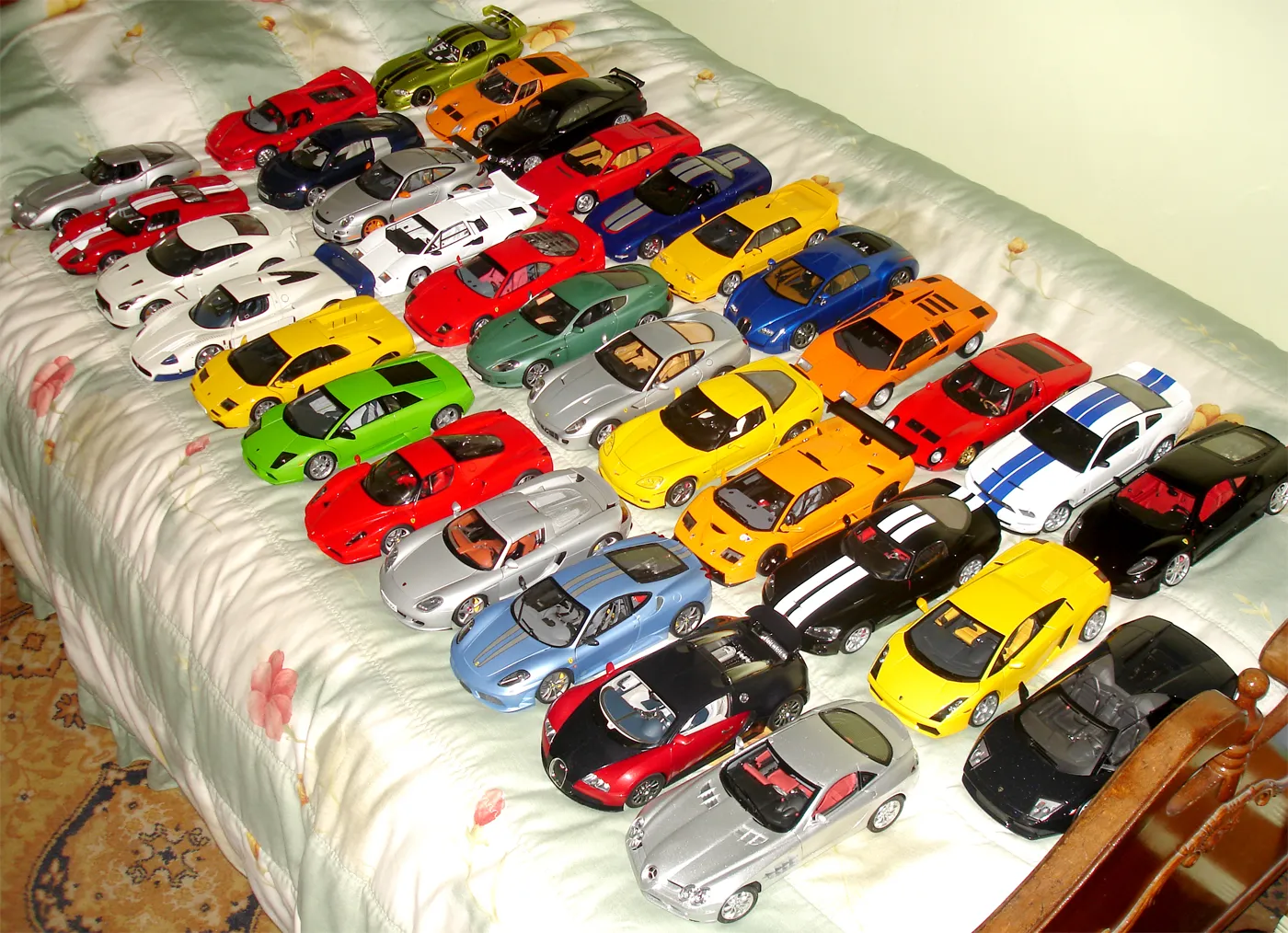
Understanding Diecast Collection Costs
The world of diecast model collecting is a fascinating hobby, one that blends passion, history, and often, a significant investment. Determining how much a diecast collection is worth involves understanding several key factors, as the value can fluctuate dramatically based on various elements. Whether you’re a seasoned collector or just starting out, appreciating these factors is crucial for assessing the value of your collection. From the manufacturer to the model’s condition, each aspect contributes to the overall worth of your treasured miniatures. In this article, we delve into the top seven factors that significantly influence the cost of a diecast collection, providing you with the knowledge to understand and manage your investments effectively.
Factors Influencing Diecast Model Prices
Brand and Manufacturer

The brand and manufacturer play a pivotal role in determining the value of a diecast model. Some manufacturers have established reputations for quality, detail, and historical significance. Brands like Hot Wheels and Matchbox are widely recognized, but high-end brands such as CMC (Classic Model Cars), and Minichamps, often command higher prices due to their superior craftsmanship and limited production runs. Collectors frequently seek specific brands, and the availability and desirability of certain manufacturers’ models can dramatically impact their market value. The brand’s legacy, the accuracy of its models, and the materials used are all significant elements that collectors consider when assessing a model’s worth. Premium brands often produce models with finer details, enhancing their appeal and value.
Rarity and Limited Editions
Rarity is a fundamental factor in the value of any collectible, and diecast models are no exception. Limited editions, models produced in small quantities, and those with unique features are highly sought after by collectors. Rare models are often more valuable due to their exclusivity and the increased demand from collectors eager to own them. Special edition models, promotional items, or those that commemorate significant events or anniversaries also tend to command higher prices. Limited production runs create scarcity, driving up prices as demand outstrips supply. The availability of a model is a critical factor, with less common items often fetching prices much higher than standard editions.
Scale and Size of the Models
The scale and size of a diecast model significantly influence its cost and appeal. Popular scales include 1:18, 1:24, and 1:43, each with its unique market. Larger-scale models, like 1:18, often provide more intricate detailing and realism, which can increase their value. However, they also require more space and can be more expensive. Smaller scales, such as 1:43, are more compact and often more affordable but may have less detailed features. The chosen scale impacts not only the price but also the level of detail and the model’s suitability for display. Collectors typically specialize in particular scales, impacting the demand and value within specific size categories. The relationship between size and price is not always linear; the quality and rarity of a model can override scale considerations.
Model Condition and Preservation

Mint Condition versus Used
The condition of a diecast model is paramount in determining its value. Models in mint condition (MINT), free from any defects, scratches, or imperfections, command the highest prices. Collectors highly value models that have been meticulously preserved, as these represent the pinnacle of collectibility. Models classified as ‘used’ or those with visible wear and tear will inevitably be worth less. The degree of wear significantly affects the valuation, with minor defects like paint imperfections or damaged tires reducing value, and significant damage like broken parts or missing components further devaluing the model. The assessment of a model’s condition is subjective but follows established grading standards that consider paint quality, component integrity, and overall appearance.
Original Packaging Importance
The presence and condition of the original packaging are crucial factors in determining the value of a diecast model. Collectors place a high premium on models that come with their original boxes, cases, and any accompanying documentation. The original packaging ensures the model’s authenticity and helps preserve its condition. Packaging that is also in mint condition adds significantly to the model’s overall value. Packaging provides important details such as the model’s specs and information about the production, adding historical context to the item. Collectors will often pay a premium for models that come with original packaging, as it enhances the model’s collectibility and desirability. The absence of packaging can dramatically decrease a model’s value, especially for vintage or rare items.
The Market and Demand

Current Trends and Collectibility
The market and demand for diecast models are dynamic, influenced by trends, nostalgia, and collector preferences. Current trends, such as the popularity of certain car models, movie franchises, or historical events, can drive demand and increase prices. Certain models become highly sought after due to their historical significance, limited availability, or association with popular culture. The overall collectibility of a model is influenced by its rarity, historical context, and appeal to collectors. The more desirable a model is, the higher its value will be. Keeping abreast of current market trends is essential for both buyers and sellers, allowing them to capitalize on the changing landscape of diecast collecting. Models tied to popular franchises or historical moments often experience spikes in value.
Where to Buy and Sell Diecast Models
Online Marketplaces versus Specialty Shops

The avenues for buying and selling diecast models vary widely, each with its advantages and disadvantages. Online marketplaces such as eBay and specialized forums provide vast selections and competitive prices, enabling collectors to find a wide range of models from around the globe. However, buyers should exercise caution, paying attention to seller ratings and model authenticity. Specialty shops and local model stores offer personalized service, the ability to inspect models in person, and often, expert advice. These stores can provide a more curated selection and can be a great source of rare finds. The choice depends on the collector’s preferences, the desired models, and the level of comfort with online transactions. Both options offer diverse opportunities to buy and sell, each with unique benefits.
Auction Houses and Appraisal Services
Auction houses and professional appraisal services play crucial roles in the high-end diecast market. Auction houses, like Christie’s or RM Sotheby’s, often handle valuable and rare collections, attracting serious collectors and driving competitive bidding. These auctions offer high visibility and can result in premium prices for exceptional models. Appraisal services provide expert assessments of a model’s value based on its condition, rarity, and historical significance. Professional appraisers can give an accurate valuation, which is especially valuable for insurance purposes or when selling a collection. Utilizing these services can provide collectors with valuable insights and access to a broader market, maximizing the value of their collections. They are often the best resources for determining the true value of high-end, rare, or unique models.
Maintaining and Protecting Your Collection
Proper Storage and Display

Proper storage and display are critical for preserving the condition and value of your diecast collection. Display your models in a dust-free environment, away from direct sunlight, which can fade paint and damage delicate components. Consider using display cases or cabinets to protect them from dust, debris, and accidental damage. Ensure that the storage area maintains a consistent temperature and humidity level, as extreme conditions can lead to corrosion or other deterioration. Proper display not only protects your models but also enhances their presentation, making them more visually appealing. Creating an environment that is both aesthetically pleasing and protective is essential for maintaining the long-term value of your collection. Regularly inspect your models for any signs of wear or damage.
Cleaning and Preservation Techniques
Regular cleaning and careful preservation are essential for maintaining the condition and value of your diecast models. Use a soft brush or a microfiber cloth to gently remove dust and debris. Avoid using harsh chemicals or abrasive cleaners, which can damage the paint or detailing. For models with more stubborn dirt, use a mild soap solution diluted in water, and carefully wipe the surface with a soft cloth. Always dry the models thoroughly after cleaning to prevent corrosion. Regular preservation efforts, such as applying a protective wax or polish, can further enhance the appearance and protect the model. By following these cleaning and preservation techniques, you can ensure your diecast models remain in pristine condition for years to come, preserving their value and your enjoyment of your collection.
Collecting Diecast Models on a Budget
Collecting diecast models doesn’t necessarily require a significant financial investment. You can build an impressive collection on a budget by focusing on specific scales, brands, or themes. Explore models from less expensive manufacturers or consider collecting models that are readily available in the market. Buying used models in good condition can be a cost-effective way to expand your collection. Participate in online forums or join local collecting clubs to exchange models or find affordable deals. Regularly monitor sales and promotions, and take advantage of opportunities to buy models at reduced prices. By adopting a strategic approach, you can create a fulfilling diecast collection without overspending, enjoying the hobby without breaking the bank. Patience, research, and smart choices are key to successful budget-friendly collecting.