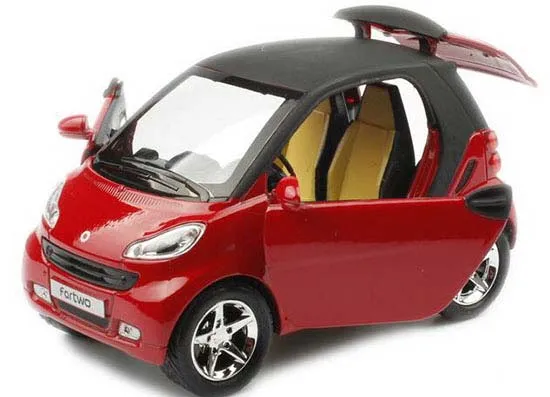
Diecast Cars Top 7 Features to Admire
Diecast cars, miniature replicas of real-life automobiles, have captivated collectors and enthusiasts for decades. These meticulously crafted models offer a unique blend of artistry, engineering, and nostalgia. But what exactly makes a diecast car truly stand out? This article dives into the top 7 features that make these miniature marvels so admirable. From the intricate detailing to the quality of materials used, we’ll explore what sets apart a great diecast car from the rest. Whether you’re a seasoned collector or a newcomer to the world of model cars, understanding these features will undoubtedly enhance your appreciation for these fantastic creations and help you identify the gems within this fascinating hobby. Let’s take a closer look at what makes these miniature vehicles so special.
Authenticity and Detailing
One of the most compelling aspects of diecast cars is their incredible level of authenticity. The best models strive to replicate every detail of their full-sized counterparts. This includes accurately representing the car’s body lines, curves, and overall shape. Beyond the basic silhouette, look for features like realistic grilles, headlights, taillights, and even tiny emblems and badges. The inclusion of manufacturer-specific details, such as the correct placement of logos and the precise design of wheels and tires, further enhances authenticity. Some models go even further, incorporating realistic features like windshield wipers, door handles, and fuel filler caps. The goal is to create a miniature representation that is as close to the real car as possible, allowing collectors to admire a meticulously crafted piece of automotive history in miniature form.
Scale Accuracy

Scale accuracy is a critical factor in the appeal of diecast cars. Common scales like 1:18, 1:24, and 1:43 dictate the proportional relationship between the model and the actual car. A model’s scale accuracy is determined by how precisely it adheres to these ratios. This means that every element of the miniature car, from its overall length and width to the size of its individual components, must be scaled down correctly. A model that is out of scale, even slightly, can appear distorted and less appealing. The best diecast manufacturers invest significant effort in ensuring their models are true to scale, using detailed blueprints and precise measurements to capture every nuance of the original vehicle. This attention to detail allows collectors to appreciate the model’s design and proportions as they were intended.
Material and Construction
The materials used in the construction of a diecast car significantly impact its quality and durability. Traditionally, diecast models are made from a metal alloy, usually zinc, which is known for its strength and ability to capture fine details. High-quality models feature solid construction, with a substantial feel and weight. The way in which the components are assembled is equally important. Look for models with tight, precise fits, minimizing gaps and ensuring that moving parts operate smoothly. This includes the doors, hood, trunk, and wheels. The paint finish should be smooth and even, without any imperfections or visible brushstrokes. The materials used will determine a model car’s long-term value and enjoyment. Therefore, inspecting the construction quality and the choice of materials is essential when evaluating a diecast car.
Opening Features
Opening features enhance the interactive experience and add to the model’s realism. Doors, hoods, and trunks that open allow collectors to explore the car’s interior and engine compartment. These functional elements are a hallmark of high-quality diecast models. The hinges and mechanisms that allow these parts to move should be well-engineered, allowing for smooth and precise operation. More advanced models may also feature functional steering, allowing the front wheels to turn, or even suspension systems that mimic the movement of the real car. The presence and quality of these opening features contribute to the overall appeal and collectability of a diecast car, providing a more immersive and engaging experience for the owner. Examine the operating parts and their functionality to see if they operate smoothly, and are an accurate representation of the real vehicle.
Paint Quality and Finish

The paint job on a diecast car is a major factor in its visual appeal. High-quality models feature a flawless paint finish that accurately replicates the color and gloss of the original car. This often involves multiple layers of paint, carefully applied to achieve a deep, rich color and a smooth, even surface. The paint should be free of imperfections, such as runs, drips, or blemishes. The gloss level, whether it’s a high-gloss, satin, or matte finish, should be consistent across the entire model. Furthermore, the paint should be durable and resistant to fading or chipping over time. The quality of the paint not only affects the model’s aesthetics but also contributes to its perceived value and collectability. A well-executed paint job can truly bring a diecast car to life, making it a joy to admire.
Interior Detailing
Beyond the exterior, the interior detailing is another area where the best diecast models excel. Collectors appreciate the attention to detail that goes into recreating the car’s cabin. Look for realistic seats, dashboard, steering wheel, and center console. The materials used can vary, with some models incorporating fabric seats, simulated wood trim, and even miniature seatbelts. The instrument panel should feature accurately rendered gauges, dials, and displays. The carpeted floors and detailed door panels contribute to the overall realism. High-end models may also include features like a working glove compartment or sun visors. The interior detailing provides an additional layer of visual interest and allows collectors to appreciate the craftsmanship and dedication that goes into creating these miniature masterpieces. The more detail in the interior, the more it will capture your attention and admiration.
Packaging and Presentation
The way a diecast car is packaged and presented can significantly influence its collectability and value. High-quality models often come in attractive boxes that are designed to protect the model and showcase its features. The packaging may include detailed information about the car, the manufacturer, and the scale. The presentation may include a display stand, a certificate of authenticity, or even a collector’s card. The packaging should be in good condition, as it is often considered part of the overall collectible item. Some collectors keep their models in their original packaging to preserve their value. The presentation of a diecast car reflects the care and attention to detail that goes into its creation and adds to the overall collecting experience.