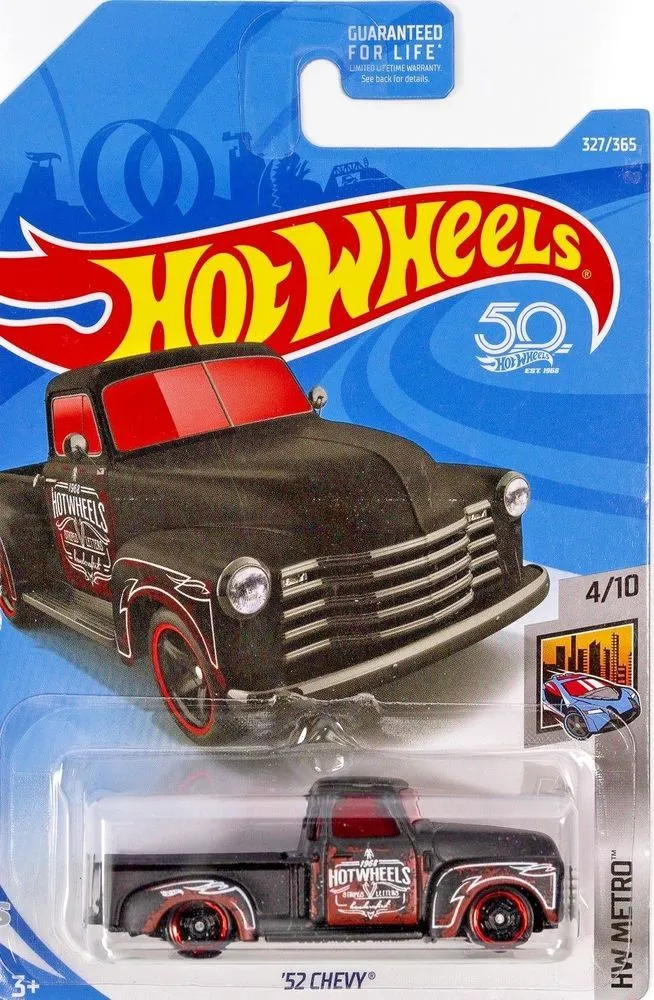
What are Diecast Cars
Diecast cars, trucks, and vans are miniature vehicles meticulously crafted from metal, primarily zinc alloy, and other materials. They are highly sought after by collectors of all ages and are admired for their intricate detailing and realistic appearance. Unlike simple toy cars, diecast models are designed to replicate real-life vehicles with impressive accuracy, capturing the essence of their full-sized counterparts in a smaller scale. This level of detail, combined with their durability, makes them a popular choice for both collectors and enthusiasts who appreciate the craftsmanship and artistry involved in their creation. These models come in a variety of scales, ranging from very small to quite large, allowing collectors to build diverse and engaging collections.
History of Diecast Cars
The history of diecast cars dates back to the early 20th century, with the first models emerging in the 1900s. These early models were primarily made from lead and were relatively simple in design. However, the development of zinc alloy, or zamak, a more durable and cost-effective material, revolutionized the industry. The 1930s saw a surge in the popularity of diecast models, coinciding with the growth of the automobile industry. Manufacturers like Dinky Toys and Corgi Toys became household names, producing a wide range of vehicles that captivated children and adults alike. Over the years, diecast cars have evolved significantly, with improvements in materials, detailing, and functionality. Today, they are a significant part of collecting hobbies globally.
Materials Used in Diecast Cars

Diecast cars are constructed from a combination of materials, each playing a crucial role in the model’s overall appearance, durability, and functionality. The primary material used is zinc alloy, also known as zamak, which provides the weight and structural integrity of the vehicle’s body. In addition to the body, several other materials are utilized to complete the models.
Zinc Alloy
Zinc alloy forms the foundation of most diecast car bodies. Its ability to be cast into intricate shapes makes it perfect for replicating the complex designs of real vehicles. The weight of the zinc alloy also gives diecast models a satisfying heft, adding to their premium feel.
Plastic Components
Plastic components are commonly used for interior details, such as dashboards, seats, and steering wheels. They are also used for other parts like windows, headlights, and taillights. Plastic is chosen for its versatility and ability to be molded into complex shapes, allowing for the creation of highly detailed interiors and exterior features.
Rubber Tires

Rubber tires are a standard feature on most diecast models, providing a realistic appearance and improving the model’s rolling action. They are typically made from synthetic rubber, chosen for its durability and ability to maintain its shape over time. The tread patterns on the tires often mimic those found on real-world vehicles, enhancing the level of realism.
Top 7 Features of Diecast Cars
Diecast cars are prized for their impressive features, which contribute to their realistic appearance and collectibility. Here are seven key features that make these models stand out.
Detailed Interiors
The interior of a diecast car is a miniature masterpiece, often featuring a detailed dashboard, seats, steering wheel, and other realistic elements. The level of detail can vary depending on the model and scale, but high-quality diecast cars strive to replicate the interior of the original vehicle as accurately as possible. This adds a layer of realism that enhances the overall appeal.
Authentic Paint Jobs

Diecast car manufacturers employ high-quality paint finishes to replicate the colors and finishes of real-world vehicles. These paint jobs are often applied in multiple layers and may include metallic flakes or other special effects to enhance the realism. The paint finish not only enhances the visual appeal of the model but also protects the underlying metal from corrosion.
Opening Doors and Hoods
Many diecast cars feature opening doors, hoods, and trunks, allowing collectors to examine the interior and engine compartment. These functional features add a level of interactivity to the model and provide a closer look at the detailed craftsmanship. The hinges and mechanisms are often miniaturized to maintain the model’s scale and realistic appearance.
Functional Wheels
The wheels of a diecast car are not just static components; they are designed to roll smoothly, allowing the model to be easily moved and positioned. The wheels often feature realistic tire designs and are connected to the chassis via a suspension system, further enhancing the model’s realism and playability. This feature is especially crucial for enthusiasts who enjoy displaying and handling their models.
Realistic Engines

High-end diecast models often feature highly detailed engine replicas, visible under the hood. These engines may include intricate details like belts, hoses, and wiring, replicating the complexity of a real-world engine. This level of detail is a testament to the craftsmanship and dedication of the model makers.
High-Quality Materials
The use of high-quality materials, such as zinc alloy, plastics, and rubber, is a hallmark of premium diecast cars. These materials contribute to the model’s durability, weight, and overall appearance. The quality of the materials directly impacts the model’s value and collectibility.
Variety of Scales
Diecast cars are available in a wide range of scales, from small to large, allowing collectors to build collections that suit their preferences. Common scales include 1:18, 1:24, 1:43, and 1:64, each offering a different level of detail and size. The variety of scales makes it easy for collectors to find models that fit their display space and collecting goals.
How to Choose the Right Diecast Cars

Choosing diecast cars can be an enjoyable experience. There are a number of factors to consider to ensure you find models that align with your interests and collecting goals. Here are some key aspects to consider when selecting diecast cars.
Consider the Scale
The scale of the diecast car determines its size and level of detail. Common scales include 1:18, 1:24, 1:43, and 1:64. Larger scales offer more detail but require more display space, while smaller scales are more compact and affordable. Consider your available space and your preference for detail when choosing a scale.
Check the Details
Pay close attention to the details of the diecast car, such as the interior, paint finish, and opening features. High-quality models will have intricate detailing, realistic paint jobs, and functional components. Examine the model carefully to ensure it meets your standards for accuracy and craftsmanship.
Think About the Brand

Different brands specialize in specific types of vehicles or offer varying levels of detail and quality. Research the reputation of different brands to find those that align with your collecting interests. Some popular brands include Autoart, Minichamps, and Hot Wheels.
Decide on a Theme
Choosing a theme for your collection can help you focus your efforts and create a cohesive display. You might collect specific makes and models, eras, or types of vehicles, such as race cars, classic cars, or trucks. Selecting a theme will also make it easier to find new models to add to your collection.
Where to Buy Diecast Cars
Diecast cars can be purchased from a variety of sources, each offering different selections and price points. Knowing where to look can greatly improve your chances of finding the models you seek.
Online Retailers
Online retailers, such as Amazon, eBay, and specialty diecast stores, offer a vast selection of models. They often provide detailed product descriptions, customer reviews, and competitive prices. Be sure to check the seller’s ratings and return policies before making a purchase.
Specialty Shops
Specialty diecast shops are a great resource for finding rare or hard-to-find models. These shops often have knowledgeable staff who can provide expert advice and help you locate specific items. They may also offer a more curated selection and a better opportunity to examine models in person.
Flea Markets and Swap Meets
Flea markets and swap meets can be treasure troves for diecast car collectors, offering the opportunity to find vintage models and bargain prices. Be prepared to negotiate and inspect the models carefully before making a purchase.
Caring for Your Diecast Cars
Proper care and maintenance are essential for preserving the value and condition of your diecast car collection. Regular cleaning, careful storage, and appropriate display methods will help protect your models from damage and maintain their aesthetic appeal.
Cleaning and Maintenance
Dust your diecast cars regularly using a soft brush or microfiber cloth. Avoid using harsh chemicals or abrasive cleaners, as these can damage the paint or other finishes. If necessary, use a mild soap and water solution to remove dirt or grime. Allow the models to dry completely before storing or displaying them.
Storage Solutions
Store your diecast cars in a cool, dry place away from direct sunlight and extreme temperatures. Consider using display cases or protective packaging to shield them from dust and accidental damage. Avoid stacking models on top of each other, as this can cause scratches or paint damage. Individual boxes can be used to provide extra protection.
Displaying Your Collection
Choose a display method that showcases your collection and protects the models from damage. Display cases, shelves, or shadow boxes are all suitable options. Arrange your models thematically or chronologically to create a visually appealing display. Consider using lighting to highlight the details of your models. A well-displayed collection is not only visually pleasing but also preserves the value of your diecast cars.