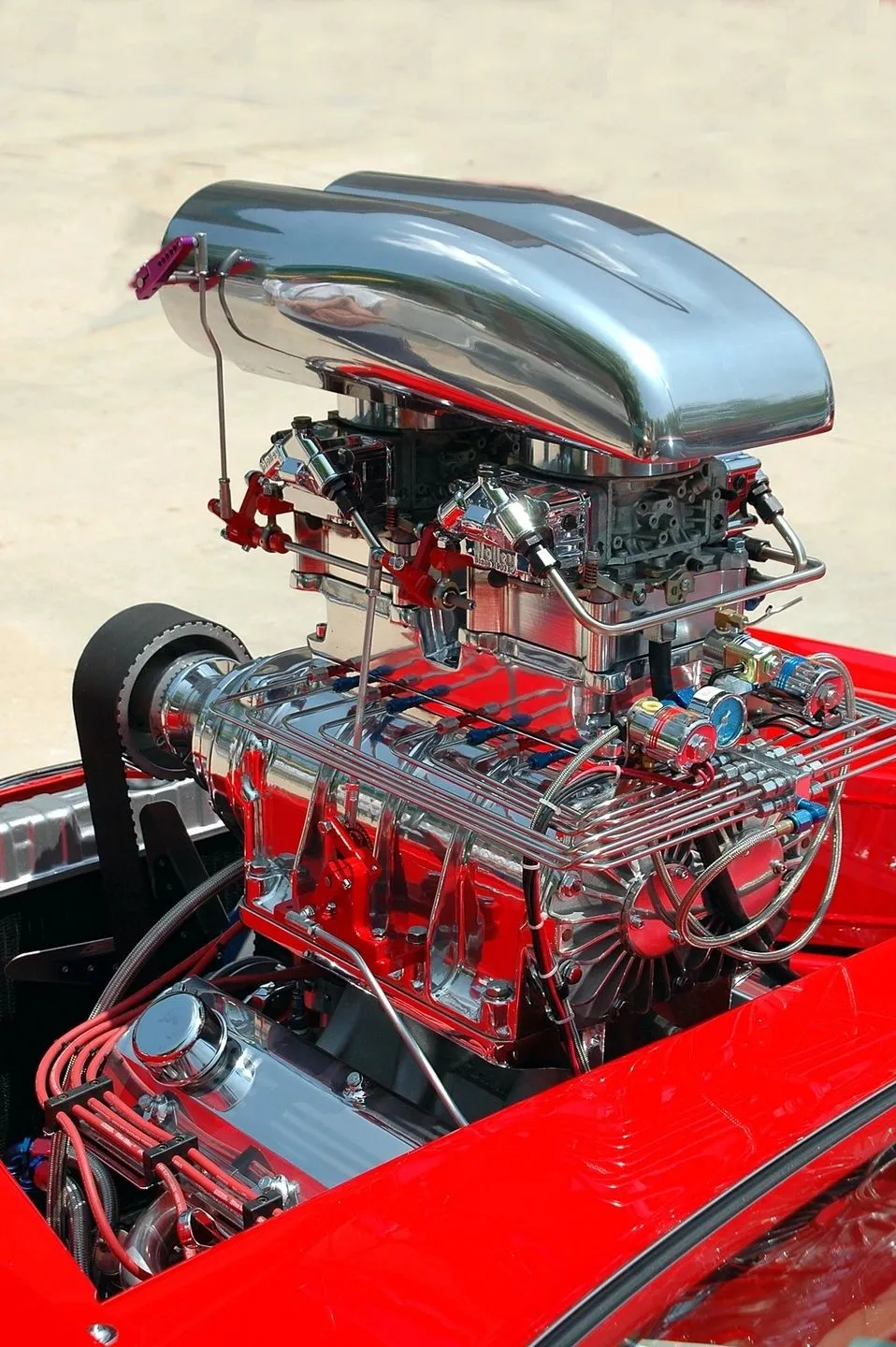
What Are Diecast Cars?
Diecast cars are miniature vehicles made using a die-casting process, where molten metal is poured into molds to create highly detailed replicas of real-life automobiles. These models have captivated enthusiasts of all ages for generations, offering a tangible connection to the automotive world and a rewarding collecting experience. From vintage classics to modern supercars, diecast cars come in a vast array of makes, models, and scales, appealing to diverse tastes and interests. The level of detail and craftsmanship varies greatly, from simple toys to incredibly accurate representations that are prized by serious collectors. Their appeal lies not only in their aesthetic qualities but also in the nostalgic value and the stories they tell about automotive history and design.
The History of Diecast Cars
The history of diecast cars is a fascinating journey through industrial innovation and evolving consumer interests. The origins of diecast cars can be traced back to the early 20th century when toy manufacturers began experimenting with metal casting techniques to create more durable and detailed toys. These early models were often simple and basic, but they laid the foundation for the sophisticated replicas we see today. The popularity of diecast cars grew steadily throughout the mid-20th century, particularly during the post-war era as disposable income increased and the automotive industry boomed. Brands such as Dinky Toys and Corgi Toys led the way, producing iconic models that captured the imagination of children and adults alike. This early market focused more on play value and general automotive styles rather than precise replica standards.
Early Production

Early production methods for diecast cars were relatively simple, relying on gravity casting and rudimentary tooling. The die-casting process allowed for the creation of complex shapes and intricate details that were previously impossible with other manufacturing techniques. Zinc alloys were commonly used for their low melting point and ability to capture fine details. These early models were typically painted with enamel paints and assembled with simple mechanisms. The early emphasis was on creating affordable and durable toys that could withstand the rigors of playtime. This approach helped establish the foundational appeal and enduring appeal of the diecast car industry.
Evolution of Materials
Over time, the materials used in diecast car production have evolved significantly, leading to improvements in durability, detail, and realism. While zinc alloys remain a staple, manufacturers have also incorporated other metals like aluminum and steel to enhance strength and precision. The use of plastics has also become prevalent, especially for interior parts, tires, and other components. Modern diecast cars benefit from advanced paint technologies, including metallic finishes and clear coats, which enhance their visual appeal. Additionally, the integration of electronic components and moving parts, such as opening doors and working lights, has further increased the complexity and realism of these models, making them even more desirable for collectors.
7 Amazing Facts About Diecast Cars
Fact 1: The Materials Used

Diecast cars are primarily made from die-cast metal, typically a zinc alloy, which offers a good balance of strength, detail reproduction, and affordability. This alloy is injected into molds under high pressure, allowing for the creation of intricate features. Plastics are also extensively used for parts like interiors, tires, and sometimes the chassis. High-quality paints and coatings are applied to achieve realistic finishes, including metallic and matte effects. Some premium models incorporate rubber tires, fabric interiors, and even photo-etched metal parts for an even higher degree of realism, showing the diverse material spectrum used in these models.
Fact 2: Scale Matters
Diecast cars come in various scales, with the most popular being 1:18, 1:24, and 1:43. The scale refers to the ratio of the model’s size to the actual car’s size. For example, a 1:18 scale model is 1/18th the size of the real vehicle. The choice of scale often depends on the collector’s preference, available display space, and the level of detail desired. Larger scales, such as 1:18, allow for more intricate detailing, including opening doors, functional steering, and highly detailed engines. Smaller scales are ideal for collecting a wide variety of models without requiring extensive space. The various scales available is another testament to the appeal of diecast cars and its wide audience range.
Fact 3: Collectibility and Value
Diecast cars can be valuable collectibles, with prices ranging from a few dollars to thousands, depending on rarity, condition, and historical significance. Limited edition models, vintage examples, and those with unique features tend to command higher prices. The collectibility of diecast cars is driven by factors such as historical accuracy, detailing, and the popularity of the original vehicle. Certain models, such as those from iconic brands or those representing significant moments in automotive history, are particularly sought after. The value can also be influenced by the model’s original packaging, any included documentation, and the presence of original accessories. Keeping your diecast cars in good condition is vital to maintaining or increasing their value.
Fact 4: Detailing and Authenticity

Modern diecast car manufacturers go to great lengths to replicate every detail of the original vehicles, from the exterior paint and body lines to the interior components and engine compartments. This includes features like accurate badging, realistic wheels and tires, and functional elements such as opening doors and hoods. Some models even include working lights and steering. The level of detail has increased significantly over the years, with advanced techniques like tampo printing and photo-etching allowing for incredibly accurate and intricate designs. This high level of detail is a key factor in the appeal of diecast cars, particularly for serious collectors who appreciate the craftsmanship and authenticity.
Fact 5: Manufacturing Process
The manufacturing process for diecast cars is complex, involving several stages. It begins with the creation of molds, which are precision-engineered to capture every detail of the vehicle. Molten metal, typically a zinc alloy, is injected into these molds under high pressure. The castings are then trimmed, cleaned, and prepared for painting. The paint application is often done using multiple layers and techniques to achieve the desired finish and detailing. Finally, the various parts are assembled, and any additional features such as decals, interior components, and functional elements are added. The meticulous nature of this manufacturing is a demonstration of the work that goes into making these models.
Fact 6: Iconic Models
Certain diecast car models have achieved iconic status due to their historical significance, popularity, or unique features. These models often represent classic cars, legendary race cars, or vehicles from popular culture. Examples include the James Bond Aston Martin DB5, the DeLorean from Back to the Future, and various classic muscle cars. The value of these iconic models can increase over time, making them highly sought after by collectors. They often represent milestones in automotive design and technological advancement. Their cultural importance adds another dimension to their appeal, making them a symbol of automotive history.
Fact 7: Diecast Cars and Pop Culture

Diecast cars have a significant presence in pop culture, appearing in movies, television shows, and video games. These models are often featured as props or collectibles, reflecting their appeal to a broad audience. The association with iconic characters and franchises, such as James Bond or the Fast & Furious series, has further increased their popularity. Diecast cars also serve as inspiration for custom builds and modifications, allowing enthusiasts to personalize their models and create unique designs. Their presence in popular media helps to keep diecast cars relevant and appealing to new generations of collectors.
Tips for Collectors
How to Display Your Collection
Displaying your diecast car collection is an essential aspect of the hobby, allowing you to showcase your prized models and protect them from damage. There are numerous display options available, from simple shelves and display cases to custom-built setups. Consider the size and scale of your collection, as well as the available space, when planning your display. Display cases are a good option for protecting your models from dust and UV light. Arrange your collection thematically, by brand, or by scale to create an engaging visual experience. Proper lighting can further enhance the presentation of your models, highlighting their details and making them more attractive.
Caring for Your Diecast Cars

Proper care and maintenance are crucial for preserving the condition and value of your diecast cars. Dust regularly using a soft brush or cloth to prevent scratches and build-up. Avoid direct sunlight, which can fade the paint and damage the materials. Store your models in a cool, dry place to prevent moisture damage and corrosion. Handle your models carefully and avoid touching the paint or delicate parts unnecessarily. Regular inspections can help identify any potential issues early on, allowing you to take corrective action. Properly caring for your diecast cars ensures that they will remain in excellent condition for years to come.
Where to Buy Diecast Cars?
Diecast cars can be purchased from a variety of sources, including hobby shops, online retailers, and dedicated diecast car dealers. Local hobby shops offer a hands-on experience, allowing you to examine the models and receive expert advice. Online retailers provide a vast selection and competitive prices, often with detailed product information and customer reviews. Specialized diecast car dealers can offer rare and collectible models, as well as personalized services. Attending car shows and swap meets is another great way to find unique and vintage models. When buying, research the seller, compare prices, and consider the model’s condition to ensure you’re making a sound investment. Researching and knowing where to shop can help you discover the best models.