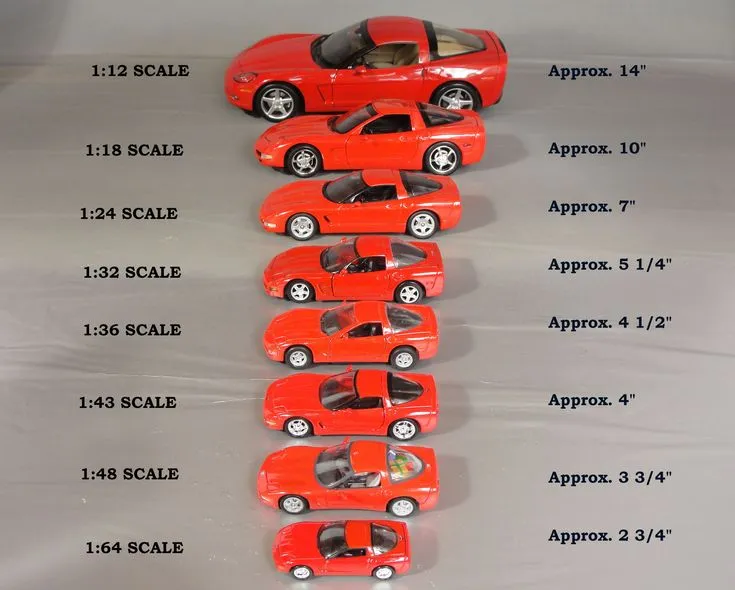
Understanding Diecast Car Scales
Diecast cars, those miniature marvels of engineering and design, come in a variety of scales, each offering a unique collecting experience. Understanding these scales is the first step in building your collection and making informed choices. The scale of a diecast car refers to the ratio of the model’s size to the size of the actual vehicle. This ratio is expressed as a fraction, such as 1 18 or 1 64. The denominator indicates how many times smaller the model is compared to the real car. Choosing the right scale is crucial for collectors, impacting display space, detail, and overall collecting goals. Each scale has its own characteristics, advantages, and dedicated following within the diecast car community. This guide will help you navigate the different scales and find the perfect fit for your needs.
Common Diecast Car Scales
Several scales are commonly used in diecast car production, each with its own popularity and characteristics. These scales cater to various collecting preferences, display options, and budgets. Understanding these scales is crucial for collectors, whether just starting or expanding an existing collection. The key scales are 1 64, 1 43, 1 24, and 1 18, each offering different levels of detail, size, and display potential. These scales are not arbitrary they reflect a balance of size, detail, and production feasibility. Different manufacturers may specialize in one or two of these scales, offering collectors a wide variety of choices.
1 64 Scale

1 64 scale diecast cars are among the most popular and widely available. They are small, typically measuring about 2–3 inches in length, making them ideal for collectors with limited space. This scale offers a vast selection of vehicles, from classic cars to modern race cars, and is often the most budget-friendly option. This scale’s popularity has resulted in numerous manufacturers producing a diverse range of models. This scale’s compact size allows for easy storage and display, making it a favorite among collectors who want to amass a large collection. The smaller size doesn’t mean a lack of detail many models boast intricate designs and paintwork.
1 43 Scale
1 43 scale diecast cars offer a balance between size and detail. These models are larger than 1 64 scale, generally measuring around 4–5 inches in length, providing more room for intricate detailing. This scale is prevalent among collectors who appreciate a higher level of realism in their models. 1 43 scale models provide more space for detailing, allowing for better representation of features such as engine components and interior designs. This scale is also widely available, offering a diverse range of vehicles from various manufacturers. It provides an excellent compromise between detail, size, and price, making it a popular choice among serious collectors. The increased size allows for more intricate details to be incorporated into the models.
1 24 Scale
1 24 scale diecast cars are significantly larger, typically measuring about 7–8 inches in length. This scale allows for exceptional levels of detail, with intricate features and realistic paint finishes. These models are a favorite among collectors who prioritize detail and realism. This scale often includes opening doors, hoods, and trunks, offering a closer look at the interior and engine. The larger size makes it ideal for showcasing individual models, highlighting their intricate designs. While requiring more display space, 1 24 scale models offer a highly rewarding collecting experience due to their high level of detail and quality. The additional space allows for a more comprehensive representation of the real-life vehicles.
1 18 Scale
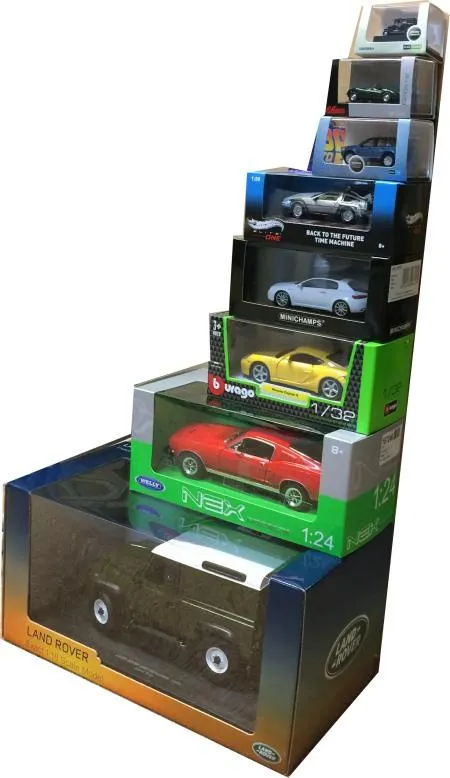
1 18 scale diecast cars are among the largest and most detailed, measuring around 10–12 inches in length. This scale offers the highest level of detail, including fully functional features such as steering, suspension, and opening doors. These models are prized by serious collectors and enthusiasts. The larger size allows for the most detailed and accurate representation of vehicles, capturing every aspect of their design. 1 18 scale models often feature high-quality materials and finishes, making them valuable collectibles. While requiring the most display space, these models provide an unparalleled collecting experience. The level of detail is often astounding, making them a centerpiece for any collection. The size allows for a high degree of realism and often includes engine detailing.
Factors Influencing Scale Choice
Choosing the right scale for your diecast car collection depends on several factors. These factors include the amount of display space available, your collecting preferences, and your budget. Considering these aspects will help you make informed decisions and create a collection that you’ll enjoy. Weighing these factors helps ensure your collection meets your needs and preferences. Evaluating these key elements will help you choose the ideal scale for your diecast car collection, ensuring a fulfilling and enjoyable collecting experience. There’s no single ‘best’ scale, but rather one that best suits your individual circumstances.
Available Space for Display
The amount of available space is a crucial factor in determining the scale of your diecast car collection. If space is limited, smaller scales such as 1 64 or 1 43 are ideal. These scales require less display area, allowing you to showcase a larger number of models in a confined space. If you have ample space, you can consider larger scales such as 1 24 or 1 18. These models make a statement, but you’ll need enough room to display them effectively. Consider how you plan to display your collection – on shelves, in cabinets, or in dedicated display cases – to help assess your space limitations. The display area dictates the number and size of models you can accommodate. Ensuring adequate space is essential for an organized and visually appealing collection.
Collecting Preferences

Your collecting preferences will significantly influence your scale choice. If you appreciate intricate detailing and realism, larger scales like 1 18 or 1 24 may be preferable. These scales offer a higher level of detail, allowing for a more immersive collecting experience. If you prefer to collect a wide variety of vehicles without taking up a lot of space, smaller scales such as 1 64 or 1 43 could be a better choice. Consider what types of cars you want to collect and the level of detail you desire. Do you want to focus on specific makes, models, or eras? Your collecting goals will also play a role. The more focused your preference, the easier it might be to choose a scale.
Budget Considerations
Your budget plays a significant role in deciding which diecast car scale to collect. Generally, larger scales such as 1 18 and 1 24 are more expensive than smaller scales like 1 64 and 1 43, due to the increased materials and complexity of the models. Set a realistic budget before starting your collection. Smaller scales allow you to acquire more models for the same amount of money. The price per model varies, but the scale often correlates with cost. Consider long-term costs, including display cases and any additional accessories. Remember that the cost of collecting includes more than just the cars themselves. Determining your budget will guide your scale selection and ensure a sustainable and enjoyable collecting experience.
Matching Scale to Collections
If you’re starting a new collection or expanding an existing one, matching the scale to your overall collecting goals is vital. This approach ensures that your collection is cohesive and visually appealing. If you already have a collection, consider the scale of the models you already own. Sticking to a consistent scale will create a uniform appearance and prevent the need to buy multiple display cases. This step enhances the visual appeal of your collection. Aligning the scale with the vehicles you’re interested in collecting creates a unified display. Thinking of the future collection plans influences the size choice. By prioritizing consistency, you’ll create a well-organized, eye-catching display.
Scale Compatibility with Existing Collections

When starting or expanding a collection, consider compatibility with existing models. Mixing scales can create a cluttered or disorganized appearance. If you have a preference, align new additions to the collection. Sticking to the same scale ensures that your models complement each other. For a cohesive and aesthetically pleasing display, consider the scale compatibility. Grouping models by scale helps to create visual harmony. You can create a visually appealing collection if you carefully think about scale matching. If starting from scratch, choosing a scale and sticking with it will ensure a streamlined look. Maintaining uniformity will optimize space and prevent buying new display units.
Organizing and Displaying Diecast Cars
Properly organizing and displaying your diecast cars enhances the aesthetic appeal and makes it easier to appreciate your collection. Consider your display space and the best way to showcase your models. There are multiple display options to think about. Ensure easy viewing and accessibility. Keeping the models clean from dust is important. Use display cases, shelves, or shadow boxes to protect and showcase your collection. Arranging models by scale, make, model, or era can create visual interest. Lighting can enhance the display, making the models more attractive. Regular maintenance, like dusting and cleaning, keeps your collection looking its best. Organizing and displaying your diecast cars transforms them from mere collectibles into a visually stunning display.
Where to Find Size Charts
Diecast car size charts are valuable resources for collectors, providing accurate information about model dimensions and scales. Numerous resources provide access to size charts. Using these resources helps you make informed choices and ensure that your models fit your collecting goals. Knowing where to find these charts simplifies the process of choosing the right diecast cars. The ease of access to these charts empowers collectors to make more informed decisions. Having access to these resources is essential. These resources ensure you can collect with confidence. Understanding and using size charts is essential for diecast car collectors.
Online Resources for Charts

Numerous online resources offer detailed diecast car size charts. Many websites and online communities dedicated to diecast collecting provide comprehensive charts. Search online for specific scales and manufacturers. Look for reputable sources to ensure the information is accurate. Online resources provide accessible and up-to-date information. These sources can provide the information you need. Accessing these charts has never been easier. The internet is your go-to for the information you seek. Many diecast car websites offer size charts. These are often available in image or downloadable formats. This makes it easier to compare scales and choose the correct size for your needs. Many enthusiast forums have detailed discussions. These resources enable informed collecting.
Using Charts for Accurate Selection
Using size charts allows you to choose the right scale and model, ensuring that you’re making the right choices for your collection. Comparing different scales helps you to understand the relative sizes of models. Always check the scale before purchasing a diecast car. This guarantees that it fits your display. Use charts to compare dimensions. The dimensions of a model, including length, width, and height are provided in the chart. Understand the dimensions to better assess how much space you need. Use charts to assess the physical aspects. These will help you decide. Size charts are essential tools for the serious collector. Use charts to ensure you select diecast cars that meet your collecting objectives. Use charts to choose the perfect diecast cars.