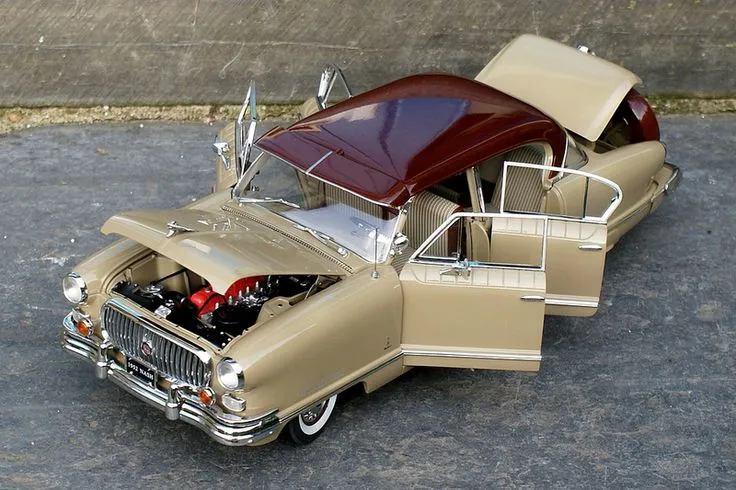
The Dawn of Diecast Cars
The history of diecast cars is a captivating journey through the evolution of miniature vehicles, transforming from simple toys into highly sought-after collectibles. These miniature replicas, crafted with meticulous detail, have captured the hearts of enthusiasts worldwide. From their humble beginnings to their current status as valuable investments, diecast cars reflect technological advancements, shifting cultural trends, and the enduring appeal of automobiles. The story of diecast cars is one of innovation, passion, and the timeless allure of the open road, condensed into perfectly scaled-down models. This article will unveil the top 7 facts about diecast cars, exploring their origins, evolution, and enduring legacy.
The Origins of Diecast
The earliest diecast models emerged in the late 19th century, initially as simple toys. These early models were often made from lead, which was easy to mold but lacked durability. The initial focus was on producing simple, sturdy toys for children. These early diecast cars, though rudimentary compared to today’s standards, laid the foundation for the intricate and detailed models we see today. These initial designs were not focused on scale accuracy, instead prioritizing playability and resilience. As technology and manufacturing techniques advanced, so did the complexity and detail of these miniature vehicles, slowly turning a children’s toy into what we know today as a collectible.
Early Manufacturing Techniques

Early manufacturing techniques were basic, relying on gravity casting and rudimentary molds. The process involved pouring molten metal into molds, allowing it to cool and solidify. These molds were typically made of sand or simple metal casts. Details were limited, and the focus was on creating solid, durable toys. These initial production methods were time-consuming and didn’t allow for the high level of detail seen in modern diecast models. The need for more efficient methods and enhanced detail drove innovation in manufacturing, setting the stage for the advancements in diecast car production. The move from lead to zinc alloys was a significant step, improving both the quality and safety of the toys.
Post-War Popularity
The post-World War II era marked a significant turning point in the popularity of diecast cars. The increased availability of materials and the rise of consumer culture fueled the demand for these miniature vehicles. Companies like Dinky Toys and Corgi Toys began to dominate the market, producing a wide array of models. This era saw diecast cars evolve from simple toys to more sophisticated replicas of real-world vehicles. The growth in popularity was paralleled by advancements in design and manufacturing, as companies strived to create more realistic and detailed models. These models became not just toys but symbols of aspiration, reflecting the automotive trends of the time.
The Rise of Scale Models
As diecast cars grew in popularity, the focus shifted toward greater realism and detail. The introduction of scale models allowed collectors to appreciate the accuracy of the miniatures. Common scales like 1:43 and 1:18 became standards, allowing for intricate detailing and accurate representation of real-world vehicles. The shift towards scale models was driven by collectors’ demand for accuracy and the desire to own miniature versions of their favorite cars. This emphasis on detail led to the development of new manufacturing techniques, including more complex molds and painting processes, enhancing the collectibility of diecast cars. Collectors sought models that accurately reflected the features of the actual cars.
Key Brands and Manufacturers

Several brands have played pivotal roles in the history of diecast cars. Dinky Toys, Matchbox, and Corgi Toys were among the pioneers, establishing themselves as leaders in the industry. These brands set the standard for quality and innovation. Later, brands like Hot Wheels and Maisto brought new styles and trends, catering to different collectors. Each brand contributed to the evolution of diecast cars, introducing new designs, materials, and manufacturing techniques. These companies not only produced toys but also cultivated a culture of collecting. Their contributions have significantly shaped the landscape of the diecast car world.
Matchbox and Dinky Toys
Matchbox and Dinky Toys hold a special place in diecast history. Matchbox revolutionized the industry with its small, affordable models designed to fit in a matchbox, making them accessible to a wider audience. Dinky Toys, known for its more detailed and larger-scale models, set the standard for realism. Both brands significantly influenced the design and distribution of diecast cars. Their competition and innovation drove the industry forward, shaping the collector’s market and defining the childhood experiences of millions. Both brands are still cherished by collectors today, who value the nostalgia and historical significance of these iconic models.
The Golden Age of Diecast
The period from the 1950s to the 1970s is often referred to as the golden age of diecast cars. Advancements in manufacturing and design led to more detailed and realistic models. This era saw the rise of iconic models that are still highly sought after by collectors. The golden age was characterized by innovation, with manufacturers constantly striving to improve the quality and realism of their products. This period also saw the expansion of international markets and the emergence of dedicated collectors. The models from this era represent a high point in diecast car manufacturing and are highly valued by collectors.
The Evolution of Diecast Materials

The materials used in diecast car manufacturing have evolved significantly over time. The earliest models were often made from lead, which was later replaced by zinc alloys, enhancing durability and safety. The introduction of plastics and resins further expanded design possibilities and allowed for more intricate details. The choice of materials has played a critical role in the quality and longevity of diecast cars. Each material brought its own set of advantages and challenges, impacting the final product. Today, manufacturers continue to explore new materials to improve the realism, durability, and sustainability of diecast models.
Zinc Alloy and Its Impact
The shift from lead to zinc alloy was a game-changer for the diecast car industry. Zinc alloy, often referred to as Zamak, provided a more durable and safer alternative. This material allowed for more complex designs and finer details. The use of zinc alloy significantly improved the quality of diecast cars and extended their lifespan. This material also enabled more efficient manufacturing processes, increasing production rates. The adoption of zinc alloy helped solidify the diecast car’s place as a popular toy and collectible item.
Plastic and Resin Integration
The integration of plastic and resin components in diecast cars further enhanced design possibilities. These materials allowed for intricate details, such as interiors and accessories, that were difficult to achieve with metal alone. The use of plastics and resins also reduced production costs and allowed for greater variety in design. This integration expanded the creative potential for manufacturers, leading to more realistic and detailed models. The combination of metal and plastic elements has become a standard in modern diecast car production.
The Collector’s Market

The collector’s market for diecast cars has grown significantly, driven by the passion of enthusiasts and the increasing value of rare models. Certain models have become highly sought after, with prices reflecting their rarity and condition. The collector’s market encompasses a wide range of interests, from vintage models to contemporary releases. Collectors often seek out specific brands, scales, and models, driving demand. This market provides a platform for enthusiasts to share their passion and build valuable collections.
Why Diecast Cars Are Collectible
Several factors contribute to the collectibility of diecast cars. Rarity, condition, and historical significance are major determinants of value. Limited edition models, those with unique features, and well-preserved examples often command higher prices. Nostalgia also plays a significant role, as collectors seek models that evoke memories of childhood or specific eras. The appeal of diecast cars lies in their ability to capture the essence of automotive history, reflecting design trends and technological advancements. Collecting provides a tangible link to the past and a shared passion among enthusiasts.
Investing in Diecast Cars
Diecast cars can be a worthwhile investment for those who approach collecting strategically. Researching market trends, understanding model rarity, and focusing on quality are essential. Certain models, particularly those in excellent condition or from limited production runs, have appreciated in value over time. Like any investment, there are risks involved, and prices can fluctuate. Building a diversified collection, staying informed about market dynamics, and properly storing and maintaining models are key to maximizing investment potential. The market can be rewarding for those who are well-informed and passionate about the hobby.
Diecast Cars Today

The diecast car industry continues to thrive, with manufacturers constantly innovating and catering to the evolving demands of collectors. Modern manufacturing techniques enable incredibly detailed and accurate models. The use of advanced materials and technologies allows for enhanced realism and durability. Manufacturers are also embracing new trends, such as electric vehicle models and collaborations with popular brands. Diecast cars remain a dynamic and evolving market, reflecting the broader trends in the automotive industry and pop culture.
Modern Manufacturing
Modern manufacturing techniques have revolutionized diecast car production. Computer-aided design (CAD) and 3D printing enable intricate designs and rapid prototyping. Advanced die-casting methods allow for greater precision and detail. The use of high-quality materials and sophisticated painting techniques enhances realism. Modern manufacturing processes have significantly increased the quality and detail of diecast cars. These advancements enable manufacturers to produce models that are more accurate and visually appealing. The adoption of technology continues to shape the future of diecast car production.
The Future of Diecast
The future of diecast cars looks promising, with continued innovation and growing collector interest. The industry is likely to embrace new technologies, such as augmented reality and digital collectibles. Increased focus on sustainability and eco-friendly materials is also expected. The demand for diecast cars is expected to remain strong, fueled by the enduring appeal of miniature vehicles and the passion of collectors worldwide. The industry is poised for continued growth and evolution, offering exciting opportunities for collectors and manufacturers alike.