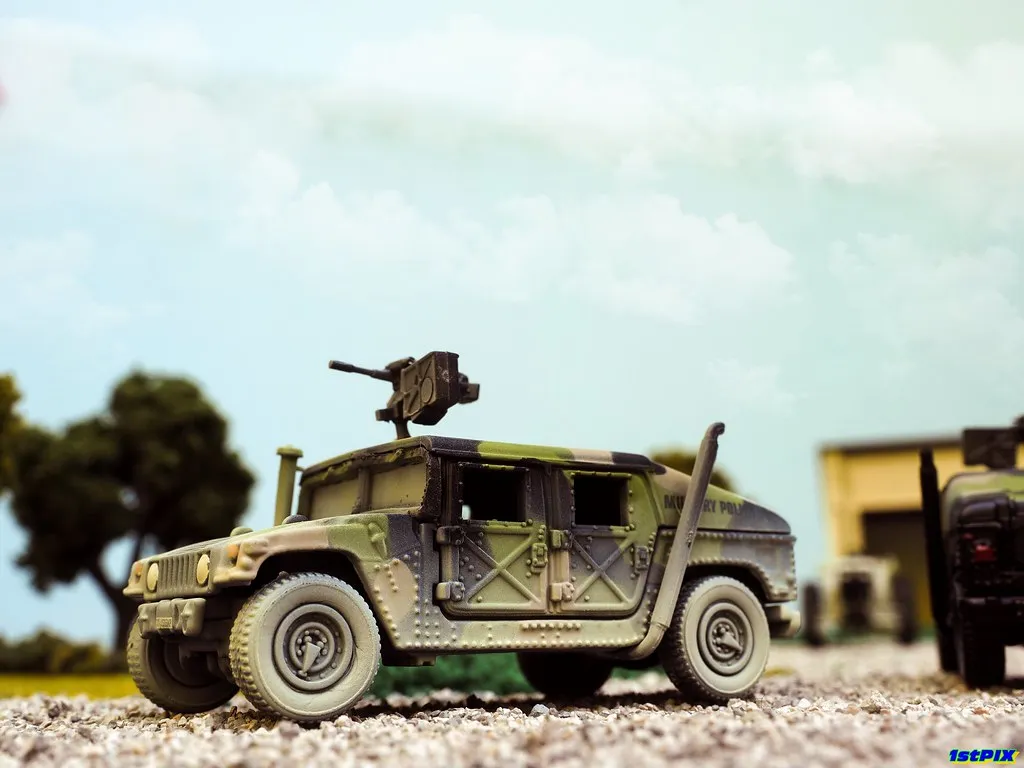
Diecast Army Building a Collection
Embarking on a journey to build a diecast army is an exciting endeavor, offering a captivating blend of history, artistry, and the thrill of the chase. This guide will serve as your comprehensive roadmap, steering you through the essentials of establishing and curating your own impressive collection. Whether you’re a seasoned collector or just starting, the key to success lies in strategic planning, informed choices, and a passion for the miniature world of vehicles. Building a solid diecast army requires more than just acquiring models; it demands a considered approach to focus, budget, and the ongoing maintenance of your collection. This will allow you to create a curated selection that reflects your individual interests and a testament to the dedication of a true diecast enthusiast. Get ready to dive into the fascinating realm of scale models, where meticulous detail meets the joy of collecting.
Choosing Your Focus
One of the most critical initial decisions is defining your collection’s focus. This isn’t merely about choosing cars; it’s about narrowing down your scope to specific eras, brands, vehicle types, or themes. Consider your interests – are you drawn to classic muscle cars, modern supercars, vintage trucks, or military vehicles? Perhaps you’re passionate about a particular racing series, a specific automotive manufacturer like Ferrari or Ford, or even a specific movie or television show. A focused collection is more manageable, allows for deeper research, and gives you a clear direction when making acquisitions. Having a defined focus also enhances the value and appeal of your collection, making it more satisfying to build and showcase.
Selecting Scale and Type

Once you’ve selected your focus, the next step is to determine the scale of your models. Common scales include 1:18, 1:24, 1:43, and 1:64, each offering a different balance between detail, size, and cost. Larger scales like 1:18 provide more intricate details but require more space and can be more expensive. Smaller scales, such as 1:64, are more space-efficient and budget-friendly but may sacrifice some detail. Consider the space you have available for display and storage, as well as your budget. The type of vehicle also plays a role; classic cars may be available in a wider range of scales, while modern supercars may be more readily available in certain scales. Selecting the right scale and type will significantly influence the overall aesthetic and practicality of your diecast army.
Defining Your Budget
Budgeting is paramount when building a diecast army. It’s very easy to get carried away, so setting a realistic budget helps you stay on track and avoid financial strain. Determine how much you’re willing to spend per month or year on your collection. Remember to account for the cost of the models themselves, as well as display cases, storage solutions, and any accessories. Research the prices of the models you’re interested in to get an idea of the average cost. This research will also help you identify potential bargains and understand the value of different models. Regularly review your budget to ensure it aligns with your collecting goals and adjust it as needed.
Setting a Budget
Create a detailed budget that allocates funds for model purchases, display items, and any related expenses. Decide on a monthly or annual spending limit. Start small and gradually increase your budget as your collection grows and your financial situation allows. Consider creating different budget tiers for different types of models. For example, you might allocate a higher budget for limited-edition or premium models and a lower budget for more common or readily available models. Keep track of your spending to monitor your progress and make adjustments as needed.
Sticking to Your Budget

The key to a successful diecast army is staying within your budget. Resist the temptation to overspend, even if you come across a particularly appealing model. Prioritize your purchases and carefully consider each model before acquiring it. Take advantage of sales, discounts, and promotions. Explore pre-owned models, which are often available at lower prices. Track your spending, and if you find yourself consistently exceeding your budget, reassess your collecting goals or adjust your spending limits. Regularly evaluate your collection to see if any models no longer fit your focus or aesthetic, and consider selling them to free up funds for new acquisitions.
Researching and Acquiring Models
Once you have a focus and a budget, it’s time to start acquiring models. However, before you start buying, it’s important to do your research. Learn about the different manufacturers, scales, and model variations. Familiarize yourself with the history and significance of the vehicles you’re interested in. This research will not only enhance your appreciation for your collection but also help you make informed purchasing decisions. Thorough research prevents costly mistakes, ensures you get the best value, and allows you to spot rare or valuable models. Developing a keen eye for detail and understanding the nuances of different models will also aid in discerning authenticity and condition.
Finding Reliable Sources
Choosing reputable sources for acquiring your models is crucial. There are many avenues for purchasing diecast models, each with its own set of advantages and disadvantages. Reliable sources guarantee authenticity, offer fair pricing, and often provide customer support. Always verify the seller’s reputation and review their feedback from previous customers. Be cautious of deals that seem too good to be true, as they may indicate counterfeit or damaged models. Build relationships with trusted sellers who specialize in the type of models you collect. This will grant you access to exclusive models and reduce the risk of being scammed. Prioritize sources known for their expertise and commitment to quality.
Online Marketplaces

Online marketplaces are a vast and diverse source of diecast models, offering a wide selection from various sellers. Platforms like eBay, Amazon, and specialized diecast model websites provide a convenient way to browse and compare models. When using online marketplaces, always review the seller’s feedback and ratings. Carefully examine the product descriptions and photos, paying attention to details such as the model’s condition, any imperfections, and the inclusion of the original packaging. Be aware of potential shipping costs, import duties, and the seller’s return policy. Utilize filters to narrow your search, such as brand, scale, and condition. Always read reviews from other buyers to assess the seller’s reliability and the accuracy of their product descriptions.
Local Hobby Shops
Local hobby shops offer a more personal and tactile shopping experience. Visiting these stores allows you to examine the models in person before purchasing them. The staff can provide valuable advice and information. Local hobby shops often offer a curated selection of models, catering to specific collecting interests. They can also be a great source of rare or limited-edition models. Building a relationship with a local hobby shop can give you access to exclusive offers, early releases, and a sense of community. Supporting local businesses contributes to the vibrant ecosystem of the diecast collecting hobby. Remember to check the shop’s return policy and warranty information before making a purchase.
Understanding Model Details
A discerning collector pays close attention to detail. Understanding the various aspects of a diecast model is crucial. Familiarize yourself with the materials used, the level of detail, and the model’s overall craftsmanship. Learn to identify key features, such as the engine, interior, and exterior components. Evaluate the paint finish, the alignment of the parts, and the presence of any imperfections. This knowledge will enable you to assess the quality of a model and differentiate between high-quality replicas and less accurate reproductions. Develop a critical eye for the details that make a model stand out.
Authenticity and Accuracy

Authenticity is paramount when assessing a diecast model. Ensure the model is an authentic representation of the real vehicle it’s based on. Verify the manufacturer’s branding and the model’s markings, such as the chassis number and production date. Compare the model to photographs and specifications of the actual vehicle. Check for accurate proportions, detailing, and paint schemes. Be wary of models that appear to have been modified or customized without proper documentation. Always purchase from reputable sources that guarantee the authenticity of their models. Research the reputation of the model manufacturer and learn about any common issues with their products.
Model Condition and Grading
The condition of a model significantly affects its value. Assess the model’s condition carefully before purchasing. Look for scratches, dents, or other signs of damage. Examine the original packaging, if it’s included, and note any wear or tear. Many collectors use a grading system to rate the condition of their models, such as Mint (M), Near Mint (NM), Excellent (EX), Very Good (VG), Good (G), and Poor (P). Mint condition models are generally considered to be the most desirable. The better the condition, the higher the value. Store your models properly to preserve their condition. Never expose your models to direct sunlight, humidity, or extreme temperatures.
Displaying and Maintaining Your Collection
Once you’ve started building your diecast army, it’s time to focus on display and maintenance. How you choose to display your collection is as important as the models themselves. Proper display enhances the aesthetic appeal of your collection and allows you to appreciate your models fully. Maintaining your models ensures their longevity and preserves their value. A well-maintained collection demonstrates your dedication to the hobby and allows others to appreciate your passion. Proper display and maintenance transform a collection into a showcase, making it a source of pride and a conversation starter.
Optimal Display Solutions

Choose display solutions that are both aesthetically pleasing and protective. Display cases, shelves, and cabinets are ideal for showcasing your models. Consider the size and style of your collection, as well as the available space. Glass or acrylic display cases offer excellent protection from dust and damage while allowing you to view your models easily. Arrange your models in an organized manner, considering themes, brands, or scales. Use proper lighting to highlight the details of your models. Rotate your collection from time to time to prevent fading or other damage. Experiment with different display arrangements to create a visually engaging presentation.
Dust-Proofing and Protection
Dust is the enemy of diecast models. Protect your models from dust by using display cases with tight seals. Regularly clean your models with a soft brush or a microfiber cloth to remove any dust that may accumulate. Avoid using harsh chemicals or abrasive cleaners. Handle your models with clean hands and avoid touching the paint or delicate parts. Consider using UV-resistant display cases to protect your models from fading due to sunlight. If you are not displaying your models, store them in individual boxes or containers to prevent damage.
Proper Storage Techniques
If you don’t have space to display all your models, proper storage is essential. Store your models in a cool, dry, and dark place. Avoid exposing your models to extreme temperatures or humidity. Use individual boxes or containers to protect them from dust, scratches, and other damage. Consider using acid-free tissue paper to wrap delicate models. Label your boxes or containers clearly to keep track of your collection. Regularly check your stored models for any signs of damage or deterioration.
Climate Control and Lighting

Climate control and lighting are important for the longevity of your collection. Avoid storing or displaying your models in areas with extreme temperatures or humidity. Maintain a consistent temperature and humidity level to prevent damage. Use LED lighting, which produces less heat and UV radiation than incandescent bulbs. Position your display cases away from direct sunlight to prevent fading. Regularly dust your display cases and lighting fixtures. Consider using a dehumidifier to control humidity levels in your display area.
Building a Community
Collecting diecast models is even more enjoyable when shared with others. Building a community around your collection can significantly enhance your experience. Connecting with other collectors allows you to share your passion, exchange knowledge, and discover new models. Engaging with others provides a sense of camaraderie and allows you to build lasting friendships with people who share your passion. Participating in collecting communities is rewarding in itself, allowing you to see how others build and maintain their own diecast armies.
Joining Collector Groups
Join online forums, social media groups, and local clubs dedicated to diecast collecting. These platforms provide a space to share photos of your collection, ask questions, and learn from experienced collectors. Participate in discussions, offer advice, and contribute to the community. Attending diecast shows and conventions is a great way to meet other collectors and see models in person. These events provide opportunities to buy, sell, and trade models, as well as learn about new releases and trends. Building connections in the collecting community can lead to friendships and provide access to exclusive models or information.
Sharing Your Collection
Share your collection with others, whether it’s through social media, in-person displays, or by hosting a collecting event. Create social media accounts to showcase your models, share your collecting journey, and engage with other collectors. Participate in online contests and challenges to showcase your skills and passion. Consider creating a display at a local library, community center, or other public space. Sharing your collection can inspire others and generate interest in the hobby. By sharing your passion, you’re not only enhancing your own enjoyment but also contributing to the vibrant world of diecast collecting, and inviting others into your own diecast army.