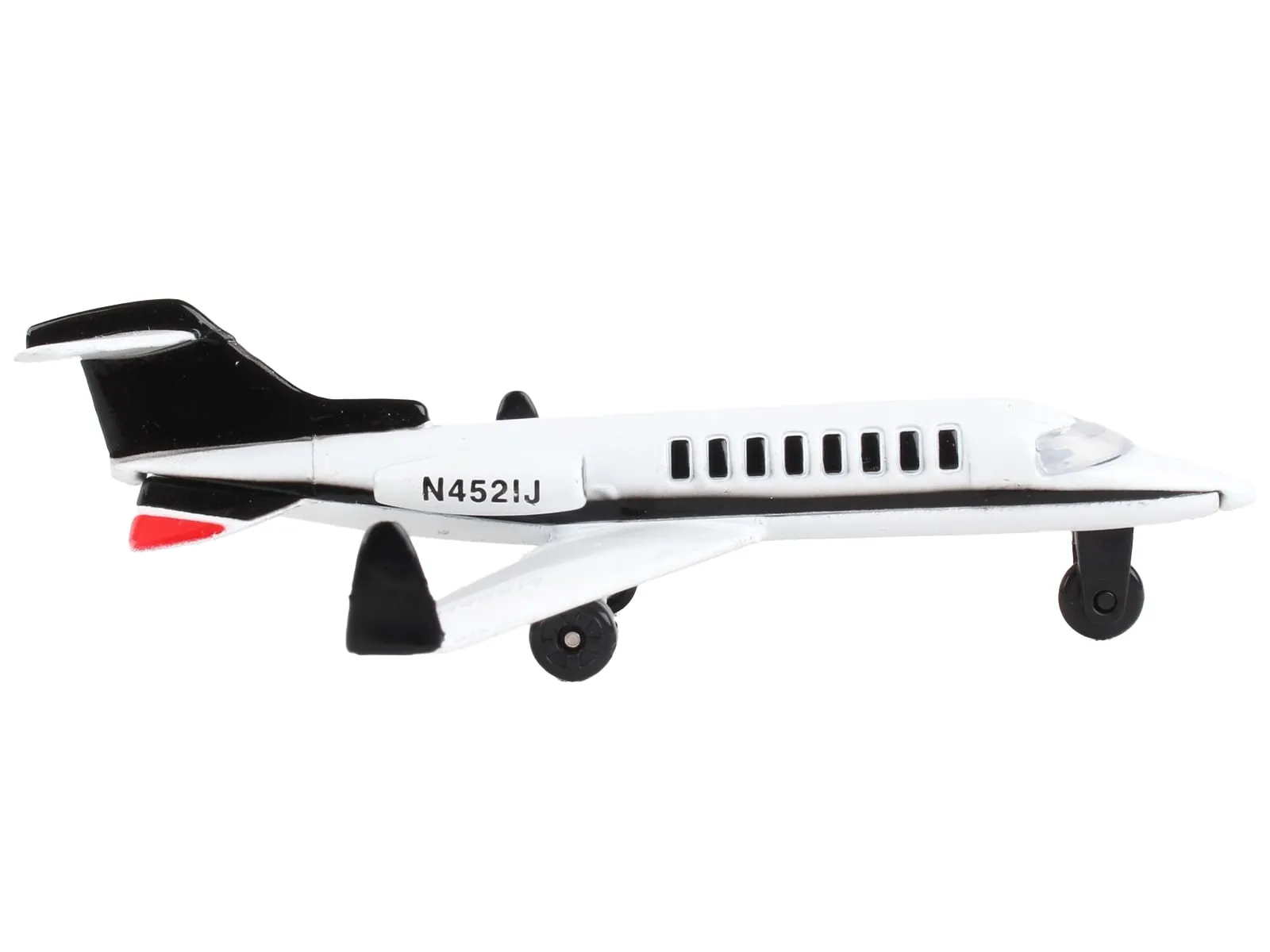
Understanding Diecast Commercial Airplane Models
Diecast commercial airplane models have become increasingly popular among aviation enthusiasts and collectors. These meticulously crafted replicas offer a unique way to appreciate the beauty and engineering of commercial aircraft. If you’re new to the world of diecast models, or simply looking to expand your collection, understanding the key aspects of these models will greatly enhance your experience. This guide will provide you with the top 7 buying tips, covering everything from scale and material to display and maintenance. This information is designed to help you make informed decisions and build a collection you’ll be proud of.
Scale and Size Matters
The scale of a diecast airplane model refers to the ratio between the model’s size and the actual aircraft. This is a fundamental aspect that affects both the model’s appearance and the space it will occupy. Common scales, like 1:200 and 1:400, are used by manufacturers to standardize the size of their models. Choosing the right scale depends on your personal preferences, the available display space, and the level of detail you desire. Larger scales generally offer more intricate details, but also require more space, while smaller scales are more compact and suitable for larger collections.
Common Scales

Several scales are widely used in the diecast airplane model industry. 1:200 scale models provide a good balance between detail and size, often favoured by collectors. 1:400 scale models are a popular choice for those with limited space. Other scales like 1:500 and 1:600 are also available. Considering what scale fits best for your collection, and space availability.
Material and Build Quality
The materials used in diecast airplane models play a crucial role in their durability, appearance, and overall quality. Diecast metal, typically a zinc alloy, provides weight and a realistic feel. The build quality, including the precision of the assembly and the finish of the paint, determines the model’s aesthetic appeal. High-quality models feature intricate details, such as finely molded panels, detailed engines, and realistic landing gear. These factors contribute to a more satisfying collecting experience.
Diecast vs. Plastic
The primary material used in these models is diecast metal, which gives them their name. However, plastic components are also frequently used for parts such as wings, engines, and landing gear. Diecast models are typically more durable and possess a higher level of detail. Plastic models can be more affordable, but the overall quality will be reflected. Consider the balance between the material and its cost when making your purchase.
Authenticity and Detail

Authenticity is key when it comes to diecast airplane models. Collectors appreciate models that accurately represent the real-world aircraft. Details such as accurate markings, liveries, and the overall shape of the aircraft are essential. Many manufacturers pay close attention to these details, ensuring that their models are as true to life as possible. The level of detail can vary, so consider what is most important to you when choosing a model.
Accurate Markings and Liveries
Accurate markings and liveries are crucial for the authenticity of diecast airplane models. These include the airline’s logos, registration numbers, and other identifying details. The paint quality and application are equally important, ensuring that the markings are crisp, clear, and accurately placed. Model manufacturers often work with airlines or use reference materials to ensure the highest level of accuracy.
Price and Budgeting
The cost of diecast airplane models can vary significantly, ranging from affordable options to high-end collectibles. Setting a budget is an important step in building your collection. Factors such as the model’s scale, manufacturer, level of detail, and rarity all influence the price. Knowing how much you are willing to spend will help you narrow your choices and avoid overspending. There are plenty of great models in all price ranges.
Set a Budget

Before starting your collection, determine how much you’re willing to spend. Diecast airplane models come in a range of prices, and setting a budget will help you stay within your means. Consider the cost per model and how many you plan to purchase. It’s also important to factor in the cost of display cases or storage options.
Comparing Prices
Compare prices from different retailers, both online and in specialty shops. The price of a model can vary depending on the retailer and any current promotions. Don’t be afraid to shop around to find the best deal. Also, consider the shipping costs when making your final decision. Make sure you are well informed before investing.
Where to Buy Diecast Models
Diecast airplane models are available from a variety of sources. Online retailers offer a wide selection and competitive prices, while specialty shops provide expert advice and a chance to see the models in person. Choosing where to buy depends on your personal preference. Researching different sellers and comparing prices is always a good idea.
Online Retailers

Online retailers, such as Amazon and dedicated model stores, offer a vast selection of diecast airplane models. These sites often have customer reviews and detailed product descriptions. They also provide the convenience of shopping from home and often offer competitive prices and sales. Before making a purchase, check the seller’s reputation and return policy.
Specialty Shops
Specialty shops specializing in model airplanes provide a hands-on experience. These stores often have knowledgeable staff who can provide expert advice and answer your questions. You can examine the models up close and assess their quality before buying. Local shops are a great resource for connecting with other enthusiasts.
Collecting and Display
Once you start collecting, displaying your models becomes an important part of the hobby. Proper storage and display will protect your models and allow you to showcase your collection. There are numerous display options, from simple shelves to custom-built display cases. Careful handling and protection are crucial for maintaining the value and appearance of your models.
Storage and Protection

Proper storage protects your models from dust, sunlight, and other environmental factors. Store models in a cool, dry place away from direct sunlight. Consider using dust covers or display cases to protect them from dust and accidental damage. Protect the models from extreme temperatures, and consider humidity-controlled environments for valuable models.
Display Options
The display options for diecast models are varied and can be customized to your space and preferences. Shelves, display cases, and wall-mounted shelves are all viable options. Consider the scale of your models, the available space, and the aesthetic you want to achieve. Display cases offer the best protection, while shelves provide easier access and visibility. When choosing how to display, consider the overall visual impact you want to create.
Researching and Identifying Models
Before buying a diecast airplane model, take the time to research and identify the specific aircraft you are interested in. Understanding the model’s features, its history, and its manufacturer will enhance your appreciation. There are numerous online resources and communities where you can gather information and connect with other collectors. This research helps ensure that you are making informed purchases and adding to your knowledge.
Model Specifics

Research the specific details of the model you’re considering. This includes the aircraft type, airline, registration number, and any special features. Websites, catalogs, and online communities can provide detailed information about the models. Understanding these specifics adds to the authenticity and collectibility of your models.
Online Resources and Communities
Online resources and communities are invaluable for collectors. Forums, websites, and social media groups provide platforms for sharing information, asking questions, and connecting with other enthusiasts. These communities offer access to a wealth of knowledge, including model reviews, historical information, and advice on collecting. Join online forums and groups to expand your knowledge and enhance your enjoyment of the hobby.
Caring for Your Collection
Caring for your diecast airplane models will ensure that they remain in excellent condition for years to come. Regular cleaning and maintenance are essential for preserving their appearance and value. Handle your models with care to avoid accidental damage. Implementing these practices will ensure your models stay in pristine condition for years to come.
Cleaning and Maintenance
Regular cleaning helps maintain the appearance of your models. Dust them with a soft cloth or a specialized model cleaning brush. Avoid using harsh chemicals or abrasive materials that could damage the paint. Inspect your models regularly for any signs of wear or damage and address issues promptly to prevent further deterioration. Gentle cleaning is the key.
Handling Your Models
Handle your models with care to prevent damage. When handling them, hold them by the fuselage or the wings to avoid touching delicate parts. Store your models in a place where they won’t be easily bumped or knocked over. Always be mindful of the models’ fragility and take care to avoid any potential accidents.
In conclusion, buying diecast commercial airplane models is a rewarding hobby. By following these seven tips, you can make informed choices and build a collection that you’ll be proud of. Remember to consider scale, material, authenticity, and budget. Take care when displaying and maintaining your models, and research your models. Enjoy the journey of building your collection and appreciating the beauty of these miniature aircraft.