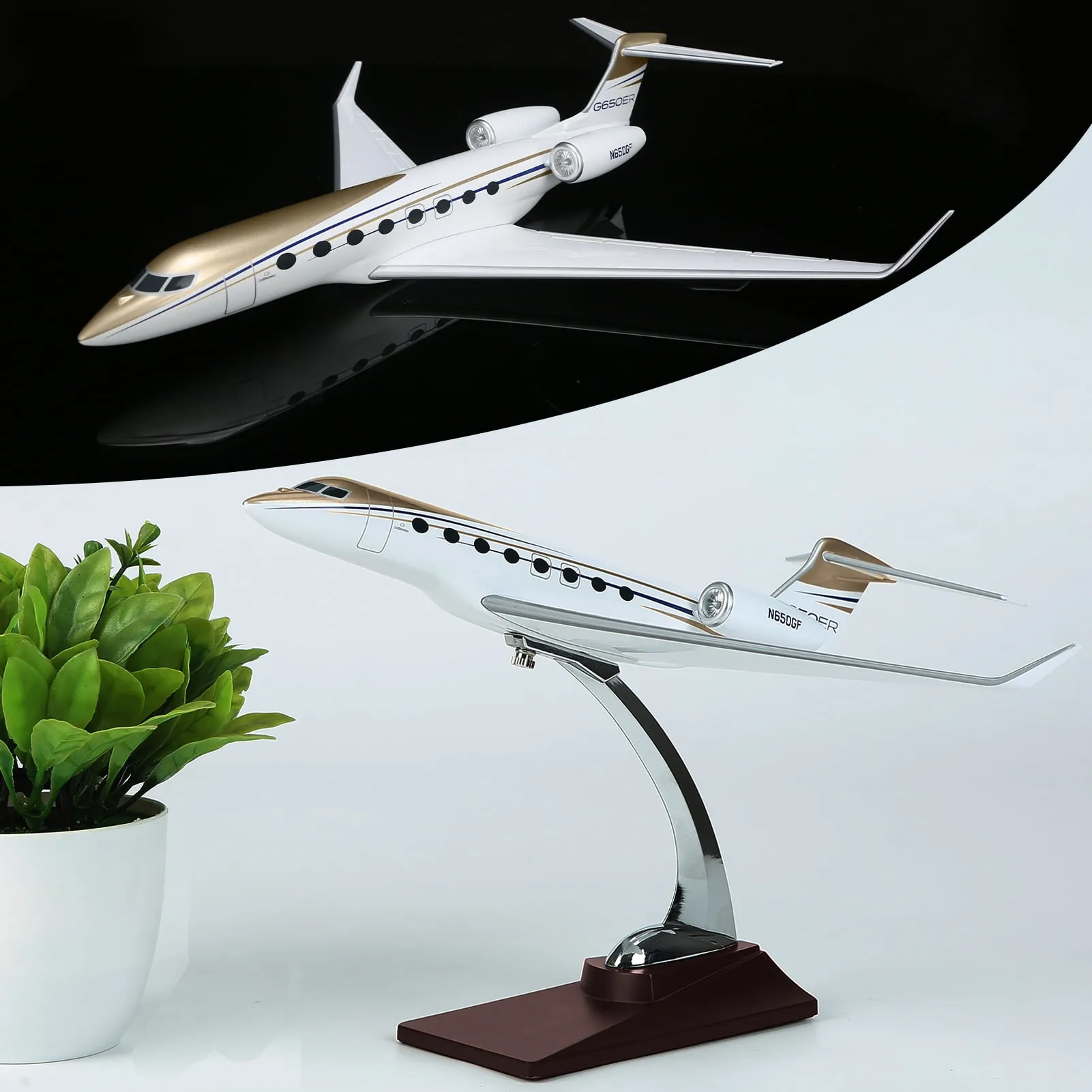
Understanding Diecast Airplanes
Diecast airplanes have captivated enthusiasts and collectors for decades, offering a tangible connection to the world of aviation. These meticulously crafted miniature replicas of real-world aircraft provide a unique blend of historical appreciation, aesthetic appeal, and the joy of collecting. They are not just toys; they represent a passion for aviation, a respect for engineering, and a desire to own a piece of history. They range from vintage warbirds to modern commercial jets, each model telling a story and reflecting the design and technology of its time. Understanding the appeal of diecast airplanes is the first step in appreciating the hobby, and in learning the best ways to buy diecast airplanes.
What Makes a Diecast Airplane
A diecast airplane is a miniature aircraft model produced using a die-casting process. This involves injecting molten metal, typically zinc alloy, into a mold to create intricate and accurate replicas. The term “diecast” refers to this manufacturing method, which allows for the creation of detailed parts and complex designs. The resulting models are known for their durability, weight, and high level of detail, making them prized collectibles. The precision of the manufacturing process allows for the faithful reproduction of an aircraft’s features, from the shape of the wings to the markings and liveries. This level of detail is what separates a diecast airplane from other types of models.
Materials Used in Diecast Airplanes

The primary material used in diecast airplanes is a zinc alloy, commonly known as zamak. This alloy is chosen for its ability to take fine details, its strength, and its relatively low melting point, which makes it ideal for the die-casting process. Other materials often include plastic for components like wings, stabilizers, and engine nacelles, and sometimes rubber for tires. High-quality diecast models often incorporate metal landing gear, adding to the overall realism and durability. The use of different materials allows manufacturers to optimize the appearance, weight, and structural integrity of the model, enhancing its collectible value. The combination of materials contributes to the authentic look and feel.
Scale and Detail Importance
Scale is a crucial factor in diecast airplane collecting, influencing both the size and the level of detail. Common scales include 1:72, 1:100, 1:200, and 1:400, with the scale representing the ratio of the model’s size to the real aircraft’s size. The larger the scale (e.g., 1:72), the more detail can be included in the model. Detail is what brings these models to life. Features such as panel lines, rivets, antennas, and accurate paint schemes significantly increase the model’s appeal and value. Collectors often prioritize models with high levels of detail and accurate representations of real aircraft. This attention to detail is essential for creating a realistic and visually stunning collectible.
Top 7 Tips to Buy Diecast Airplanes
Research and Identify Your Interests

Before purchasing any diecast airplane, it’s essential to research and identify your specific interests. Do you prefer military aircraft, commercial airliners, or vintage planes? Are you interested in a particular era or type of aircraft? Narrowing your focus will help you build a cohesive and satisfying collection, and it also helps in the buying process. Research the different models, scales, and manufacturers to find what you enjoy most. By knowing what you want, you’ll be better equipped to make informed decisions and avoid impulsive purchases. This initial research sets the foundation for your collection and prevents you from spreading yourself too thin.
Set a Budget
Diecast airplane prices can vary significantly based on the scale, detail, rarity, and manufacturer. Set a realistic budget before you begin shopping to avoid overspending and ensure financial responsibility. Determine how much you’re willing to spend on each model, and stick to your budget. This will help you prioritize purchases and avoid impulse buys. Consider the long-term value of your collection and plan accordingly. Setting a budget also protects you from making regrettable purchases and keeps the hobby enjoyable. Remember to factor in shipping costs and any potential import duties if you are buying from international sellers.
Assess the Scale and Size
Scale is a critical consideration when buying diecast airplanes. Different scales offer varying levels of detail and size. Larger scales (e.g., 1:72) provide more detail but require more space. Smaller scales (e.g., 1:400) are more compact and suitable for display in limited spaces. Consider the available space in your home or display area when choosing the scales for your collection. Mixing scales can be visually appealing, but ensure that the models complement each other in terms of overall aesthetic. Think about the aesthetic you want to create and the practicality of storing and displaying your collection.
Check the Quality and Detailing

Examine the quality and detailing of each model before making a purchase. Look for accurate paint schemes, finely molded panel lines, and correctly placed markings. Check for any imperfections, such as paint blemishes, misaligned parts, or poorly executed details. A well-made model will have a high level of craftsmanship and attention to detail. Research the manufacturer’s reputation for quality. Reading reviews and comparing models from different manufacturers can help you make informed decisions. If possible, inspect the model in person or request detailed photographs from online sellers to ensure its quality meets your expectations. This ensures your collection is filled with high-quality models.
Where to Buy
There are various places to buy diecast airplanes, including online retailers, hobby shops, and specialized diecast stores. Online marketplaces offer a wide selection and competitive prices, but be sure to check the seller’s reputation and read customer reviews. Local hobby shops provide an opportunity to inspect models in person and receive personalized advice. Specialized diecast stores often have knowledgeable staff and a curated selection. Consider attending model shows and events to discover rare models and interact with other collectors. Compare prices and shipping costs from different sources to find the best deals. Evaluate the warranty and return policies of the seller.
Consider the Seller’s Reputation
When buying from online sellers or marketplaces, it is important to consider the seller’s reputation. Check for reviews and ratings from other buyers to assess their reliability and customer service. A reputable seller will provide accurate descriptions, high-quality photographs, and prompt shipping. Be wary of sellers with negative reviews or a lack of contact information. Look for sellers who offer buyer protection and clear return policies. If buying through auction sites, examine the seller’s feedback and sales history. Trustworthy sellers contribute to a positive collecting experience and reduce the risk of encountering problems.
Storage and Care

Proper storage and care are essential for preserving the condition of your diecast airplanes. Store your models in a dust-free environment away from direct sunlight and extreme temperatures. Display cases or shelves are ideal for protecting your models from dust and damage. Handle your models carefully to avoid scratches or dents. Clean them with a soft cloth or a brush to remove dust. Avoid using harsh chemicals or abrasive materials. Consider using museum-quality display cases with UV protection to safeguard your collection from fading. By taking proper care, you can ensure your models retain their value and beauty for years to come.
Displaying Your Collection
Displaying your diecast airplane collection is an important aspect of enjoying and appreciating your hobby. Choose display cases or shelves that complement your home decor. Organize your models thematically or by scale. Use lighting to highlight the details and enhance the visual appeal of your collection. Consider rotating your display to showcase different models. Grouping similar aircraft together can create an impressive display. Share your collection with others and enjoy the satisfaction of showcasing your passion for aviation. Displaying your collection creatively will enhance the aesthetic appeal and bring satisfaction.
Conclusion
Buying diecast airplanes can be a rewarding hobby. By following these top 7 tips, you can navigate the world of diecast collecting and build a collection that reflects your interests. Research, set a budget, assess scale, and prioritize quality. Choose reputable sellers and store your models with care. Displaying your collection will not only bring you joy but also allow you to share your passion with others. With careful planning and attention to detail, you can enjoy a fulfilling and enriching hobby for years to come. Happy collecting!