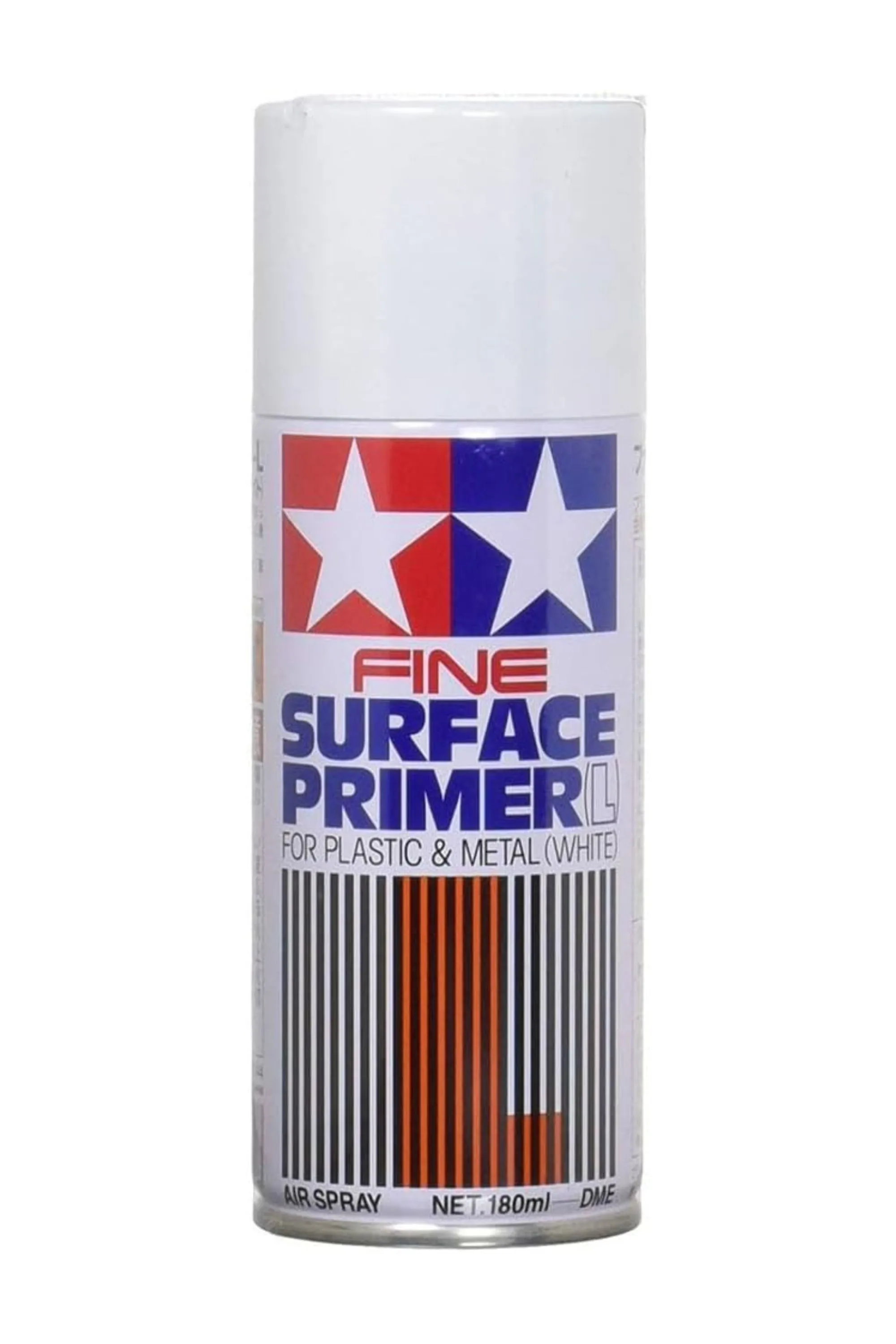
What is a Primer for Diecast Cars
In the world of diecast model car collecting and customization, achieving a professional-looking paint job is paramount. A crucial step in this process is the application of a primer. But what exactly is a primer, and why is it so important? A primer is essentially a preparatory coating that is applied to the surface of the diecast model before the actual paint. It serves multiple purposes, all contributing to the final appearance and durability of the paint finish. Think of it as the foundation upon which your masterpiece will be built. Without a good foundation, the paint may not adhere properly, leading to imperfections and a less-than-desirable result. The right primer can transform a simple diecast into a showstopper.
Why Use Primer on Diecast
The application of primer is more than just an optional step it’s a necessity for anyone serious about achieving a high-quality paint finish on their diecast models. The primary reason to use primer is to create a surface that the topcoat of paint can adhere to properly. Diecast models often have a smooth, sometimes even slightly glossy, surface. Without primer, paint can struggle to bond effectively, leading to issues like chipping, peeling, and a general lack of durability. Primer provides the necessary “tooth” or texture, allowing the paint to grip and stay in place. Furthermore, primer helps to even out any minor imperfections on the diecast’s surface. This can include small scratches, casting marks, or other irregularities that might be visible after painting. By filling in these imperfections, primer creates a smoother canvas, resulting in a more flawless and professional-looking finish. Using primer is the difference between a good paint job and a great one.
Benefits of Priming

The benefits of using a primer extend beyond just adhesion and surface preparation. It can significantly enhance the overall appearance and longevity of your paint job. One of the key benefits is improved paint adhesion. As mentioned earlier, primer creates a bonding layer between the diecast surface and the paint. This prevents chipping and peeling, ensuring that your paint job withstands the test of time, as well as regular handling. Also, primer often acts as a barrier, protecting the diecast from the potential for chemical reactions between the metal and the paint. This can prevent corrosion and discoloration, keeping your model looking its best for years to come. Moreover, primer provides a uniform base color, making it easier to achieve the desired final paint color. It can also reduce the number of coats needed, saving both time and materials. Finally, primer can increase the opacity of the paint. This ensures that the underlying details of the diecast model are not visible through the paint, creating a more vibrant and professional look.
Best Primer for Diecast Cars Top 5
Choosing the right primer can be a game-changer for your diecast car projects. With countless options available, it’s essential to know which products will deliver the best results. Here are five of the top-rated primers, each offering unique benefits for your diecast endeavors. These are the tried and tested products favored by modelers worldwide.
Primer 1 Details
Primer 1 is a popular choice among diecast enthusiasts for its exceptional adhesion and smooth finish. This primer is known for its ease of application, whether using an airbrush or spray can. Its formulation ensures excellent coverage, effectively hiding minor imperfections and creating a perfect base for your topcoat. Its quick-drying properties make it ideal for those who want to get their projects done without long waiting periods. This primer is usually available in various colors, allowing you to choose the one that best complements your final paint scheme.
Features and Benefits
- Excellent Adhesion Strong bonding to the diecast surface.
- Smooth Finish Creates a flawless base for the paint.
- Ease of Application Can be applied using an airbrush or spray can.
- Quick Drying Reduces waiting time between coats.
- Available in Various Colors Allows for color-matched priming.
Primer 2 Details
Primer 2 distinguishes itself with its exceptional durability and resistance to chipping. This primer is designed to provide a tough, protective layer, making it ideal for models that will be handled frequently or exposed to wear and tear. It offers excellent coverage and fills minor surface imperfections, providing a professional finish. Many users appreciate its ability to withstand the rigors of sanding and polishing, giving them greater flexibility in achieving the desired finish. Its formulation also resists solvents, preventing paint from lifting.
Features and Benefits
- Exceptional Durability Resistant to chipping and wear.
- Excellent Coverage Provides a solid base for the paint.
- Resistance to Solvents Prevents paint lifting.
- Ideal for frequent handling Suits models exposed to wear and tear.
- Easy to Sand and Polish Allows for precise finishing.
Primer 3 Details

Primer 3 is a versatile option, suitable for various surfaces, including metal, plastic, and resin. This makes it a convenient choice for modelers working on projects with different materials. It offers a smooth finish and excellent adhesion, ensuring that the topcoat adheres properly. It’s often praised for its ability to be applied in thin coats, which helps to preserve fine details on the model. Primer 3 is a great all-around choice, providing a reliable foundation for most diecast car projects, giving you a professional look. It’s also typically compatible with most paint types.
Features and Benefits
- Versatile Suitable for various surfaces like metal, plastic, and resin.
- Smooth Finish Provides a flawless base.
- Excellent Adhesion Ensures paint bonds well.
- Can be Applied in Thin Coats Preserves fine details.
- Compatible with Most Paint Types Offers flexibility.
Primer 4 Details
Primer 4 is the choice if you are looking for a high-build primer that excels at filling imperfections. This primer has a thicker consistency, allowing it to effectively smooth out scratches, casting marks, and other surface irregularities. It provides excellent coverage and a smooth, even finish, making it ideal for models that require extensive surface preparation. Its high-build properties can save time and effort, as it minimizes the need for multiple sanding sessions. Primer 4 is a perfect choice if you aim for a perfectly smooth paint job.
Features and Benefits

- High-Build Fills imperfections and surface irregularities.
- Excellent Coverage Provides a smooth, even finish.
- Saves Time and Effort Reduces the need for extensive sanding.
- Ideal for Models with Imperfections Suits models needing detailed surface preparation.
- Easy Sanding Allows for a smooth, refined finish.
Primer 5 Details
Primer 5 stands out for its exceptional chemical resistance and its suitability for use with various types of paints and finishes. This primer is especially useful when working with complex paint schemes or when you need to ensure the paint job’s durability. Its unique formulation resists the solvents found in many paints, preventing lifting and promoting long-lasting adhesion. It also is highly resistant to fading and discoloration. Primer 5 is an investment in the long-term protection of your diecast models, particularly beneficial for those who want to create intricate custom paint jobs.
Features and Benefits
- Exceptional Chemical Resistance Resists various solvents and paints.
- Promotes Long-Lasting Adhesion Ensures durability and longevity.
- Resists Fading Prevents discoloration over time.
- Suitable for Complex Paint Schemes Perfect for custom projects.
- Protects Against Paint Lifting Prevents paint damage.
How to Apply Primer to Diecast

Applying primer correctly is as important as choosing the right product. Following the proper steps can make a big difference in the final outcome. Here’s a step-by-step guide on how to apply primer to your diecast models for the best results.
Surface Preparation
Before applying any primer, it’s essential to prepare the surface of your diecast model. This involves cleaning the model thoroughly to remove any dust, dirt, or grease. Start by washing the model with warm, soapy water. Rinse it well and let it dry completely. Next, inspect the surface for any imperfections. Use fine-grit sandpaper (around 400-grit or finer) to gently sand any areas that need smoothing. Pay attention to seams, mold lines, and any other areas where there might be imperfections. After sanding, clean the model again to remove any sanding residue, and wipe it down with a tack cloth to remove any remaining dust particles. Proper surface preparation is the foundation of a great paint job. (diecast-surface-preparation.webp)
Priming Process
Once the surface is prepared, you can start priming. The best method for applying primer is typically using an airbrush or a spray can. If using a spray can, hold it about 6-8 inches away from the model and apply thin, even coats. It’s better to apply multiple light coats rather than one heavy coat, as this helps prevent runs and drips. For an airbrush, follow the manufacturer’s instructions for thinning the primer and setting the air pressure. Apply the primer in even strokes, overlapping each stroke slightly. Always work in a well-ventilated area and wear a respirator to protect yourself from the fumes. The key to a good primer application is patience. Take your time, and don’t rush the process. (diecast-primer-application.webp)
Drying and Curing

After applying the primer, allow it to dry and cure completely. The drying time will vary depending on the type of primer you are using, so always refer to the manufacturer’s instructions. Generally, it’s best to wait at least 24 hours before handling the model or applying any further coats. During this time, the primer will fully cure, creating a strong bond with the diecast surface. If necessary, you can lightly sand the primer with fine-grit sandpaper after it has dried to remove any imperfections. Be careful not to sand through the primer. Once the primer is fully cured and any necessary sanding is complete, you can proceed with painting your model. Ensuring that your primer has dried and cured completely is important for the long-term durability of your paint job. (diecast-primer-drying.webp)
Additional Tips for Best Results
Achieving a professional-looking finish on your diecast models requires attention to detail and adherence to best practices. Here are some additional tips to help you get the best results. These tips can further enhance the quality of your paintwork.
Choosing the Right Primer
When selecting a primer, consider the type of paint you plan to use for your topcoat. Some primers are specifically designed to work with certain paint types, such as acrylics or enamels. Using a compatible primer and topcoat can significantly improve adhesion and prevent problems like paint lifting or cracking. Also, think about the color of your topcoat. If you are using a light-colored paint, consider using a light-colored primer. If using a dark color, a darker primer can help achieve better coverage and color depth. Moreover, always read and follow the manufacturer’s instructions for both the primer and the topcoat. (diecast-car-primer.webp)
Avoiding Common Mistakes

Several common mistakes can ruin your primer job and affect the final look of your diecast model. One of the most common is applying the primer too thick. Thick coats of primer can lead to runs, drips, and a loss of detail. Always apply thin, even coats and build up the coverage gradually. Another mistake is not preparing the surface properly. Skipping the cleaning and sanding steps can result in poor adhesion and an uneven finish. Take your time and ensure the surface is clean and smooth before applying the primer. Finally, failing to allow the primer to dry and cure completely can also lead to problems. Always follow the manufacturer’s instructions for drying and curing times. Rushing the process can lead to issues like paint lifting and a lack of durability. Avoiding these mistakes will dramatically improve your chances of a professional-looking paint job, and help you create the diecast models of your dreams. (diecast-painting-tips.webp)